Descrição
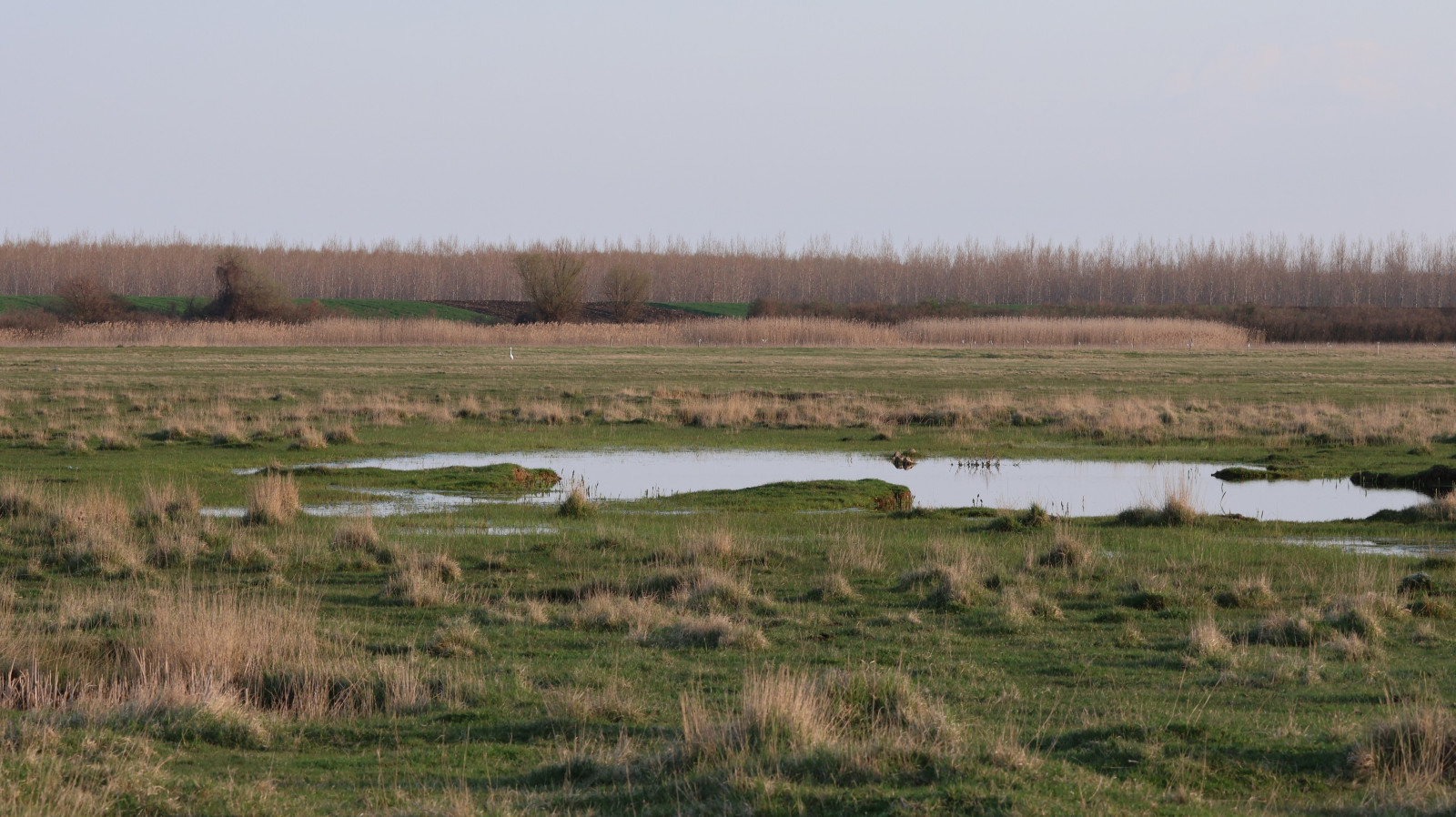
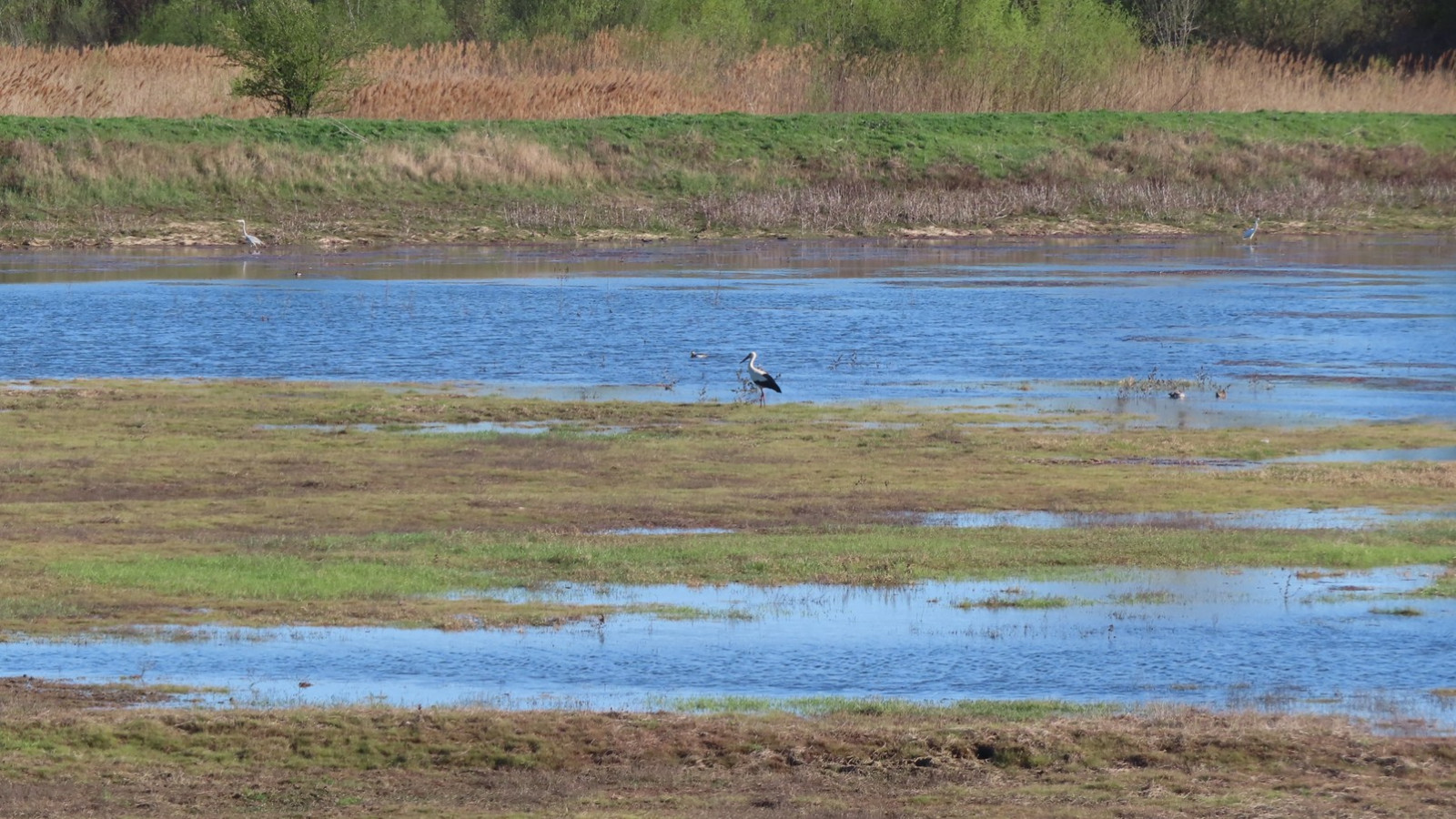
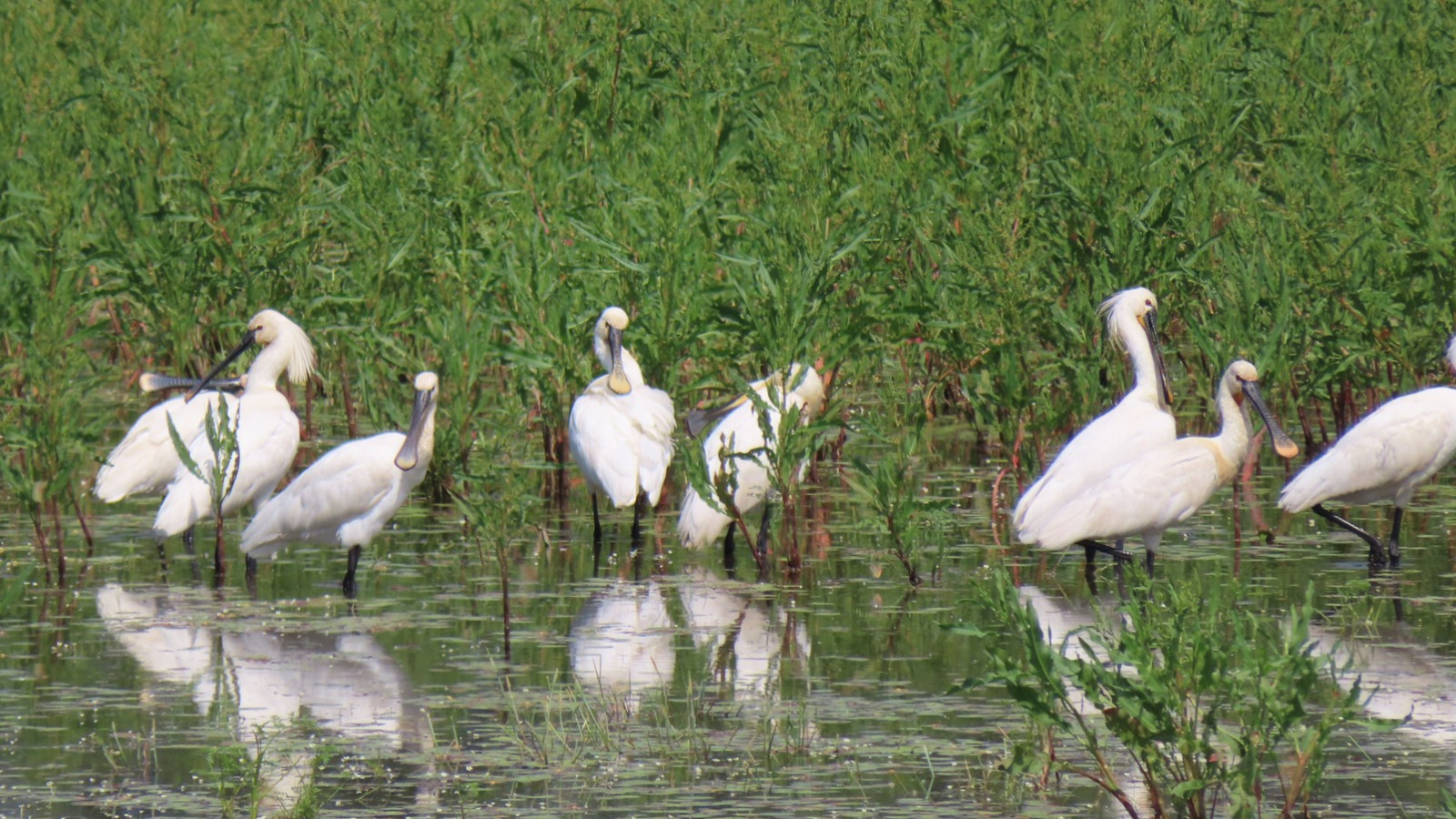
The waterbirds are generally good at Čenta's Veliki Alas Fish Farm, e.g. waders include Borrelho-pequeno-de-coleira, Maçarico-galego, Pilrito-de-bico-comprido, Perna-vermelha-escuro, Maçarico-bastardo, Perna-verde-fino. Gaivina-de-faces-brancas and Corvo-marinho-pigmeu are common. Herons include Garça-pequena, Garça-roxa, Papa-ratos, Socó-taquari, as well as uncommon Garca-vaqueira and Íbis-preta ; while marsh songbirds include Chapim-de-faces-pretas, Chapim-de-bigode, Felosa-palustre, Rouxinol-grande-dos-caniços and Felosa-unicolor. The central pasture doubles as the air force training ground, hence the field is dotted by small yet deep explosion craters - mini-reedbeds with Felosa-dos-juncoss and Garça-roxas.
Personally, I usually visit the area for grassland species, e.g. Codorniz, Rola-comum, Tartaranhão-caçador, Poupa, Picanço-de-dorso-ruivo, Picanço-pequeno, Rouxinol-comum, uncommon Pisco-de-peito-azul, Rabirruivo-preto, Cartaxo-comum, alvéola-amarela, etc.
Detalhes
Acesso
By the northern end of the Čenta village turn into an inconspicuous dirt road leading to the Veliki Alas fish farm, an abandoned Tamis River oxbow lake north of the village. If there were rains recently, this first section of 300 metres is not passable by car (and sometimes because of the deep ruts left by tractor tyres it may not be passable even when dry).
After this, turn left and follow the mostly good dirt track (yet, with several large potholes). It will take you along the oxbow lake (where last winter significant areas of mature reedbeds disappeared in flames) and through a pasture with scattered bushes, a lot of dust (I mean a lot!) and no shade. Carry plenty of water on hot days.
For driving directions, zoom in on the map and click on the "P" (parking) sign.



 ) para inserir nomes de aves no seu idioma. Os nomes das aves serão traduzidos automaticamente para outros utilizadores!