


Descrição
Wysokie Hill is easy-to-see, it is the highest point in the area. Barren at the top, covered mostly by meadows from SW and NE, by larch forest culture from SE and mixed shrubbery with trees from NW.
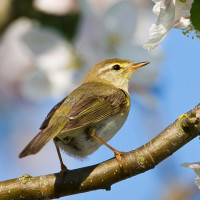
The meadows are nesting places of Laverca and Escrevedeira-amarela. Larch forest edges have great concentrations of singing Felosa-musical and Petinha-das-árvores. Shrubbery from NW is home to Rola-comum, Toutinegra-gavião, Papa-amoras-comum, papa-amoras-cinzento and Ferreirinha-comum. Sometimes the area gets visited by Pica-pau-de-dorso-branco.
Many birds of prey can be seen regularly hunting in areas below: Águia-pomarina, Tartaranhão-ruivo-dos-pauis, Tartaranhão-caçador, Gavião da Europa, Águia-d'asa-redonda, peneireiro-de-dorso-malhado / peneireiro and during winter also Tartaranhão-azulado and Búteo-calçado.
There is a chance to see some other species during migration, i.e.: Bútio-vespeiro, Falcão-de-pés-vermelhos and falcão-peregrino.
Other common species: Cuco-canoro, Cegonha-branca, Pica-pau-malhado-grande, Picanço-de-dorso-ruivo, Picanço-grande, Gaio-comum, Corvo, Chapim-preto, Chapim-palustre, chapim-montês , Felosa-malhada, Andorinha-das-chaminés, Chapim-rabilongo, Toutinegra-de-barrette-preto, Estrelinha-de-poupa, Trepadeira-do-bosque, Tordo-zornal, Cartaxo-nortenho, Cartaxo-comum, Bico-grossudo, Pintarroxo-comum, Pintassilgo.
Detalhes
Acesso
Accessible from Nowosielce and Pielnia villages - by foot/bike/car/etc. Public transport to these villages limited to buses from Sanok or Krosno. Best to explore by foot, eventually by bike or 4x4 vehicle (not advised and may be problematic). Best to leave larger vehicles somewhere in a village and enjoy the trail by-foot. Field roads are rather dry and don't require rain boots.
Terreno e Habitat
Árvores e arbustos dispersos , Floresta , Campina , Planalto , Vale , Planice , AgriculturaCondições
Montanhoso , Seco , Paisagem aberta , PoeirentoCaminho circular
Simé útil um telescópio?
Pode ser útilBoa temporada de observação de aves
Durante todo o anoMelhor hora para visitar
Migração da primavera , Migração de outono , Verão , PrimaveraRota
Estrada não pavimentada , Caminho largo , Caminho estreitoCaminho dificil
Caminhada médiaAcessível por
Pé , BicicletaAbrigo/plataforma deobservação de aves
NãoInformação extra
There aren't really any species here that'd require audio stimulation to show up. Please, avoid doing so. Different birds of prey can be seen during different parts of the day (usually smaller species in the morning and afternoon, larger show up when air is warm enough to soar).
Hazards: ticks, deep snow (winter). Keep in mind presence of other people (hunters, off-road enthusiasts, deltatrike/plane enthusiasts, wanderers), especially during weekends it can get quite busy.



 ) para inserir nomes de aves no seu idioma. Os nomes das aves serão traduzidos automaticamente para outros utilizadores!