Descrição
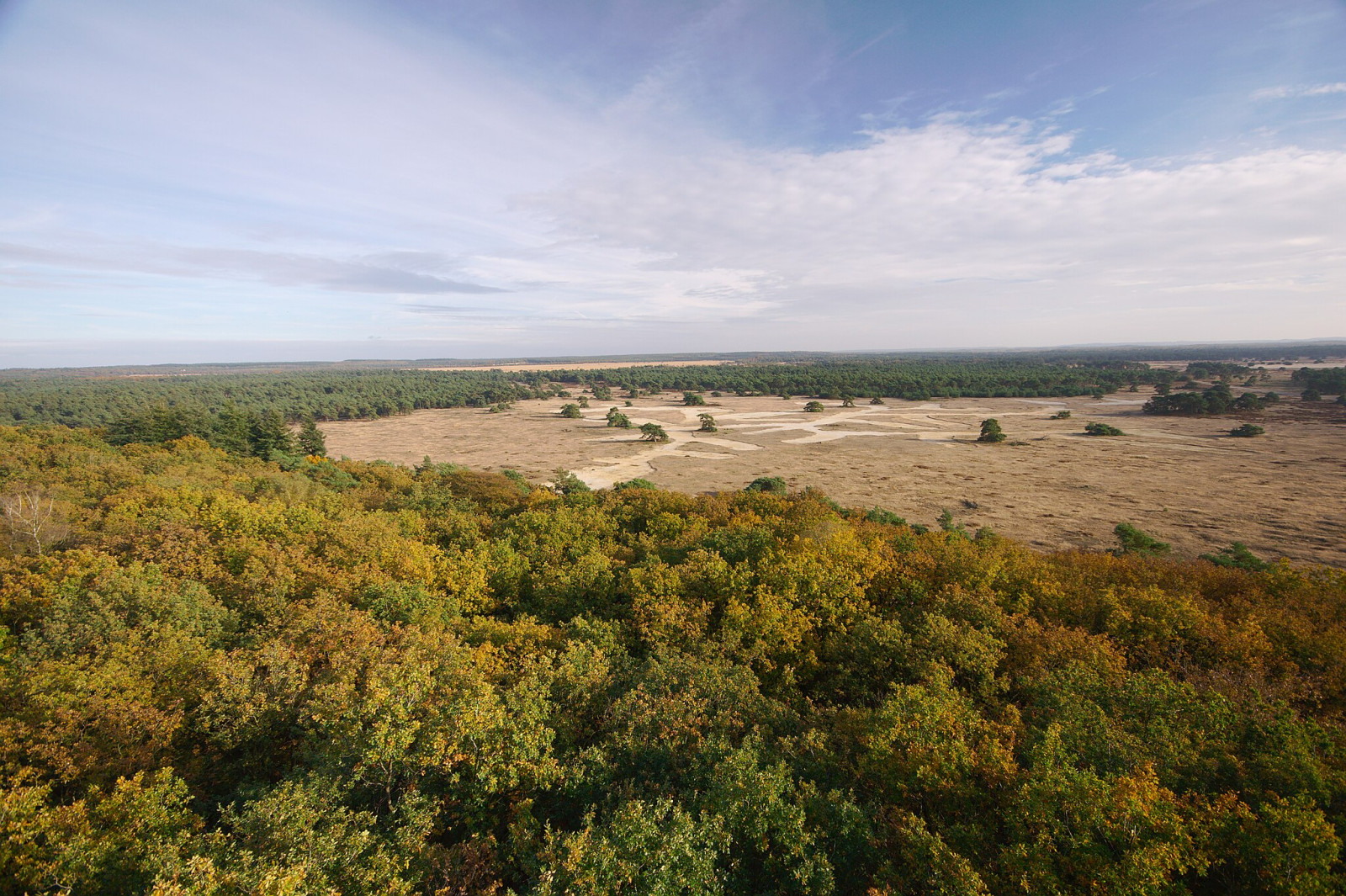
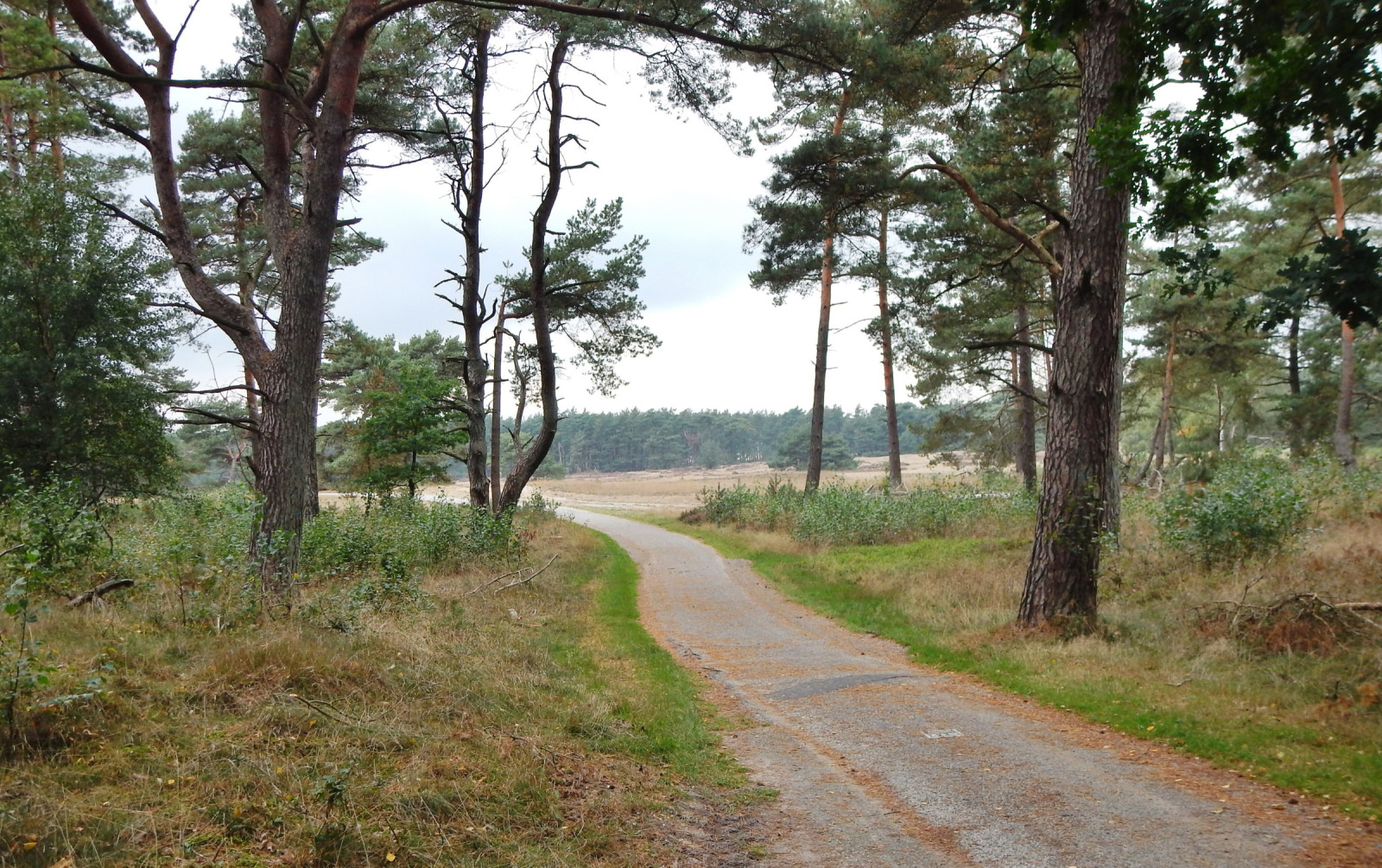
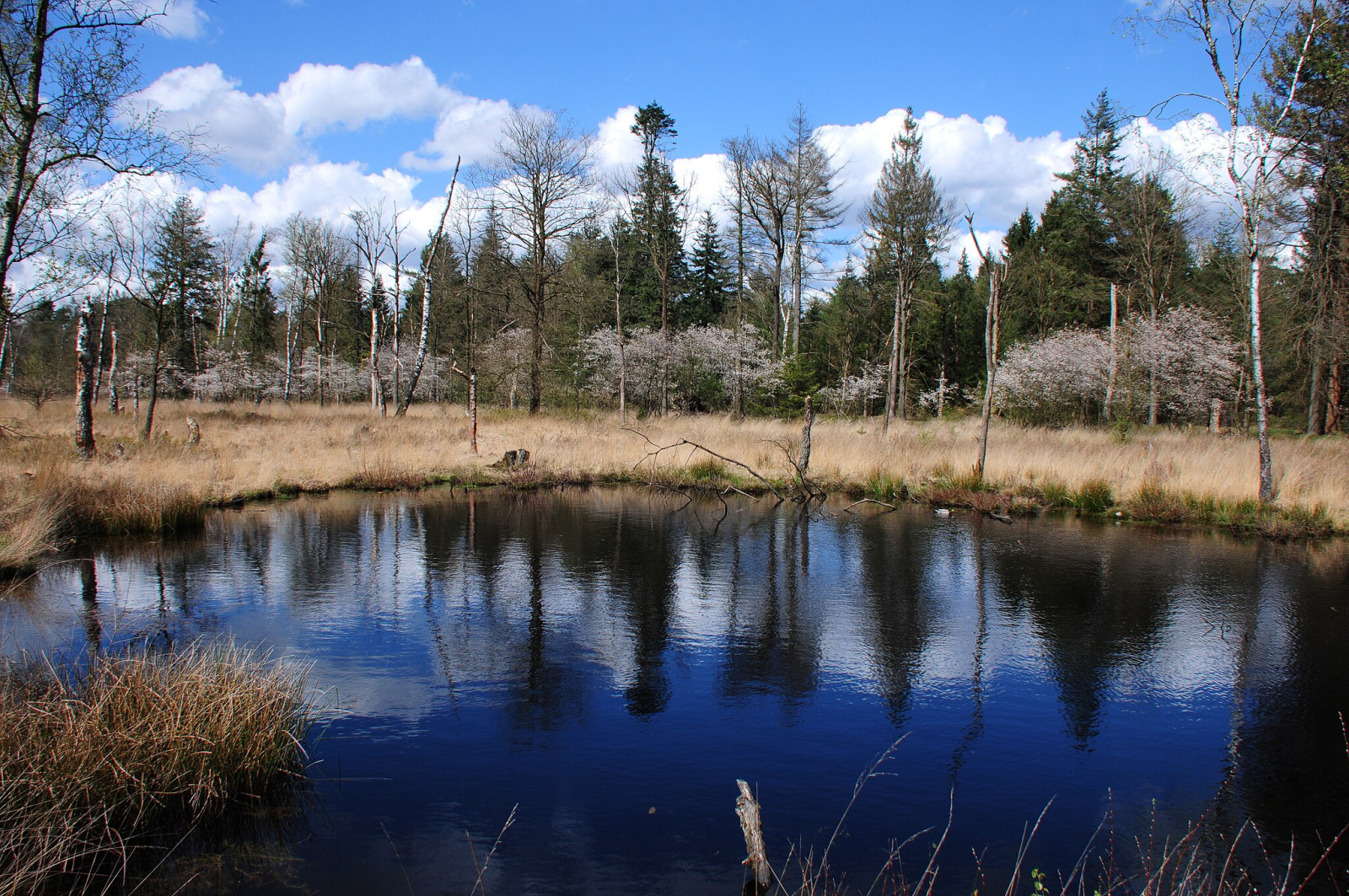
De Hoge Veluwe National Park is a privately owned nature park that was founded in 1935 and is approximately 5,400 hectares in size. It is a large nature reserve with deciduous, coniferous and mixed forests, heathlands (wet and dry), grasslands, fens and drifting sand landscapes. This is the only national park in the Netherlands where visitors have to pay an entrance fee.
Almost 100 breeding bird species occur in De Hoge Veluwe, including rare species such as the Torcicolo and Noitibó da Europa. Typical species for the forests in the area are Pica-pau-preto, Corvo, Bútio-vespeiro, Chapim-de-poupa, Rabirruivo-de-testa-branca, Papa-moscas-preto and Bico-grossudo. Typical species for the heathlands and forest edges are Cartaxo-comum, Laverca, Cotovia-pequena, Escrevedeira-amarela, Petinha-dos-prados and Petinha-das-árvores. At the fens you can regularly see the Ógea. In late summer you can also find Águia-cobreira in the area.
In addition to birds, there are also wild boars, red deer, roe deer, badgers, foxes, wolves and pine martens and 6 species of reptiles.
_________________________
Nederlands: Nationaal Park De Hoge Veluwe is een natuurpark in particulier bezit dat is gesticht in 1935 en circa 5400 hectare groot. Het is een groot natuurgebied met loof- naald- en gemengde bossen, heidevelden (nat en droog), grasvlakten, vennen en stuifzandlandschappen. Het park beslaat ongeveer vijf procent van de Veluwe. Dit is het enige nationale park in Nederland waar bezoekers entree moeten betalen.
Bijna 100 broedvogelsoorten komen voor in De Hoge Veluwe waaronder zeldzame soorten als Torcicolo en Noitibó da Europa. Typische soorten voor de bossen in het gebied zijn Pica-pau-preto, Corvo, Bútio-vespeiro, Chapim-de-poupa, Rabirruivo-de-testa-branca, Papa-moscas-preto en Bico-grossudo. Typische soorten voor de heidevelden en bosranden zijn Cartaxo-comum, Laverca, Cotovia-pequena, Escrevedeira-amarela, Petinha-dos-prados en Petinha-das-árvores. Bij de vennen kun je regelmatig de Ógea zien. In de late zomer kun je in het gebied ook Águia-cobreira vinden.
Naast vogels leven er ook wilde zwijnen, edelherten, reeën, dassen, vossen, wolven en boommarters en 6 soorten reptielen.
Detalhes
Acesso
National Park De Hoge Veluwe is located north of the city of Arnhem. The entrance fee is approximately 14 euros (2025, see the link to the website below for current rates). You can park at the 2 entrances. Press a P on the map for directions to a parking lot. At the parking lot you can take a white bike with which you can cycle through the park. Certain roads are also accessible for cars.
The route that I have indicated on the map goes through the Deelerveld. This is the largest wet heathland in the Netherlands. I personally think that the Deelerveld is the nicest part of De Hoge Veluwe. However, it is much more fun to go on a discovery tour yourself. There are many walking and cycling routes possible. The park also has the famous Kröller-Müller museum (with a big collection of Van Gogh) that you can visit.
_________________________
Nederlands: Nationaal Park De Hoge Veluwe ligt ten noorden van Arnhem. Het park heeft een betaalde toegang. De entree is ongeveer 14 euro (2025, zie voor actuele tarieven de link naar website hieronder). Je kunt parkeren bij de 2 ingangen. Druk op een P in de kaart voor een routebeschrijving naar een parkeerplaats. Bij de parkeerplaats kun je een witte fiets pakken waarmee je door het park kunt fietsen. Bepaalde wegen zijn ook toegankelijk voor auto's.
De route die ik heb aangegeven op kaart gaat door het Deelerveld. Dit is de grootste natte heide van Nederland. Het Deelerveld vind ik zelf het leukste deel van het park. Het is echter veel leuker om zelf op ontdekkingtocht te gaan. Er zijn veel wandel- en fietsroutes mogelijk. In het park is ook het bekende Kröller-Müller museum aanwezig dat je kunt bezoeken.


 ) para inserir nomes de aves no seu idioma. Os nomes das aves serão traduzidos automaticamente para outros utilizadores!