Descrição
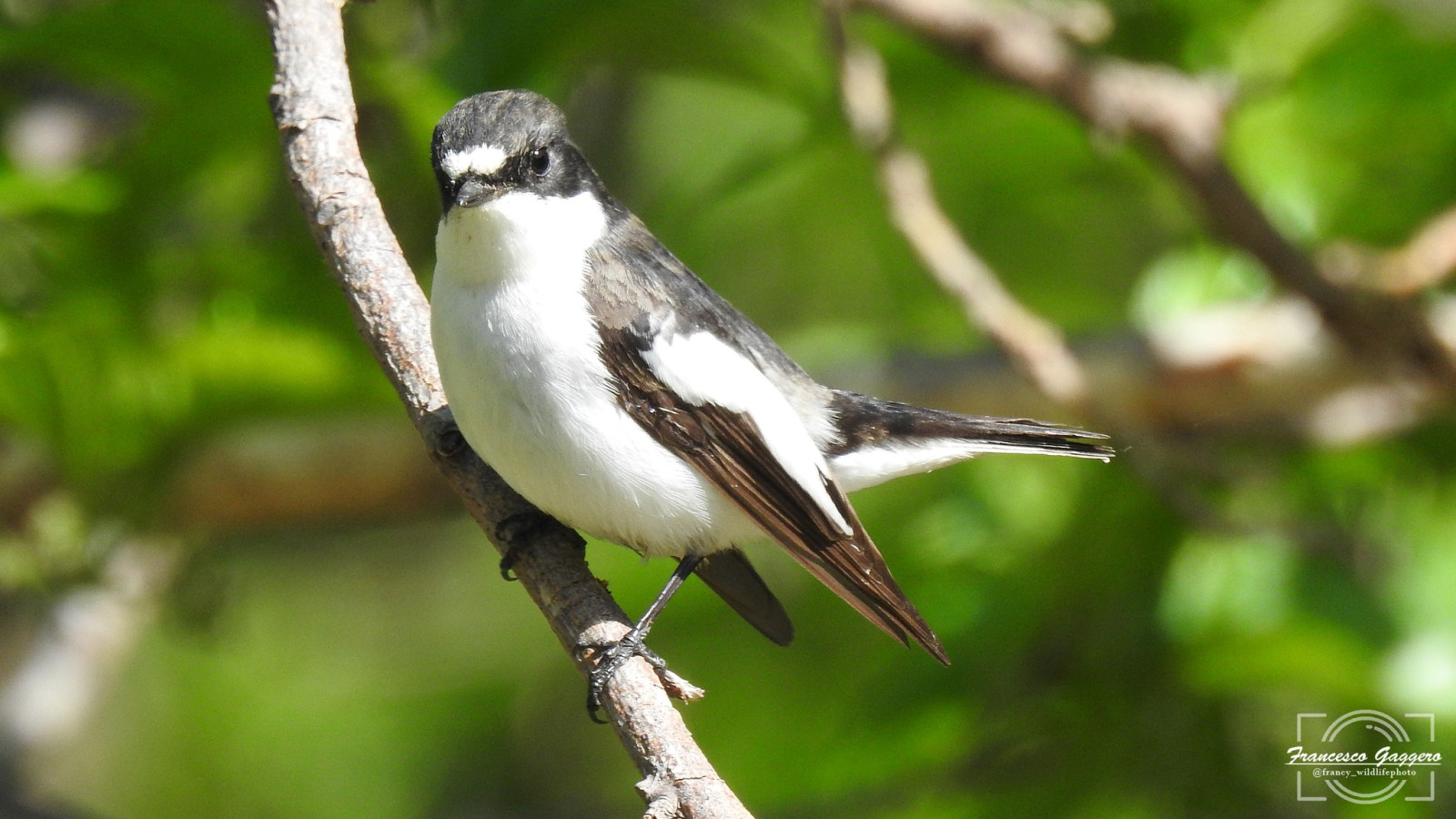
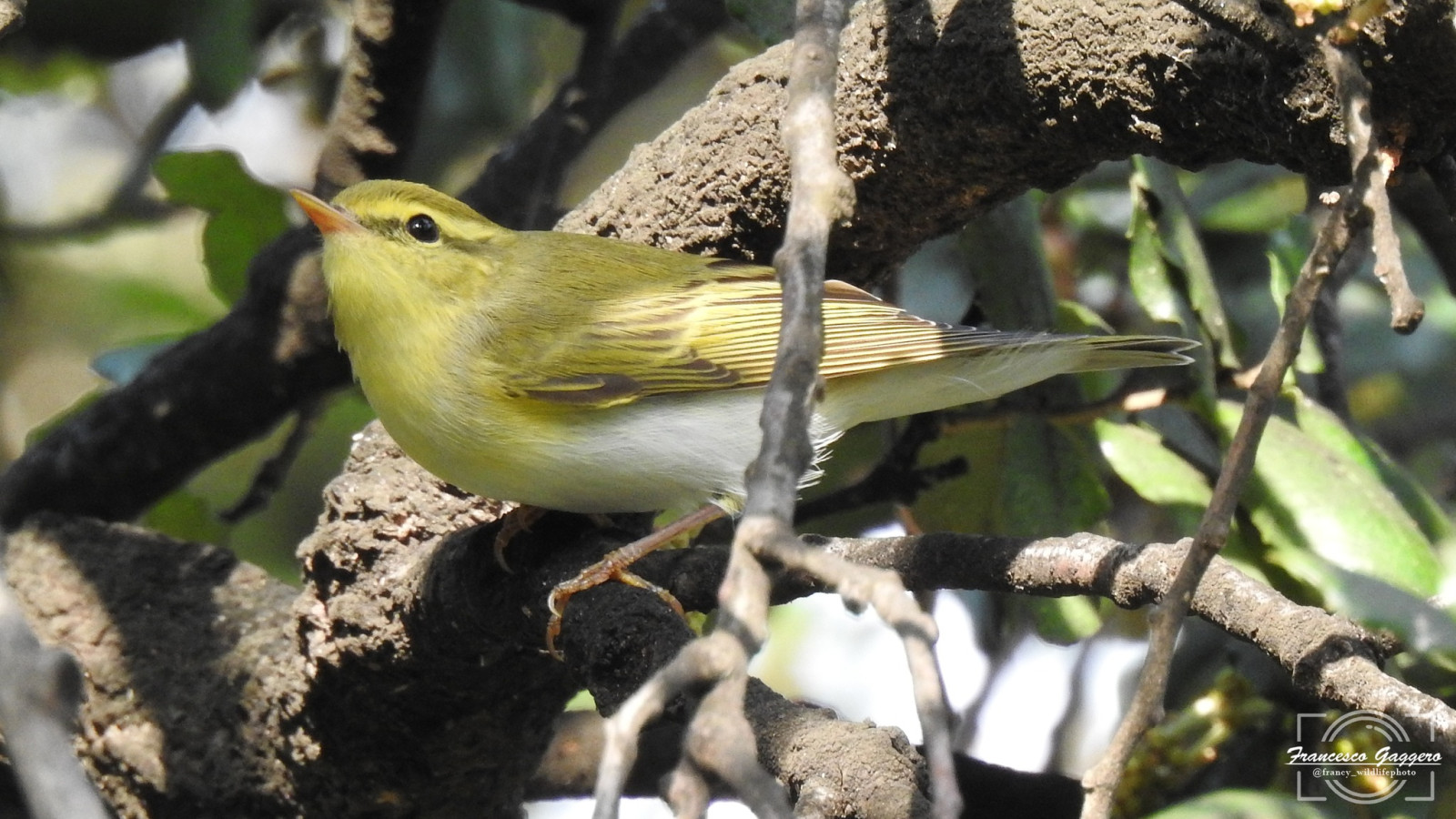
Fascia di Rispetto di Genova Prà. In winter and summer this park is not worth a visit since only common and urban birds are present. Pisco-de-peito-ruivo, melro, Gralha-cinzenta, Gralha-de-nuca-cinzenta, Gaivota-de-patas-amarelas, Verdilhão-comum, alvéola-branca, can be found throughout the year. peneireiro-de-dorso-malhado / peneireiro is present too but less common, and a Periquito-de-colar colony is now stable. During spring migration this place turns into a targeted stop for trans-Saharan passerines. You can find Cartaxo-nortenho, Papa-moscas-preto, Rabirruivo-de-testa-branca and Papa-moscas-cinzento perched on top of lampposts, stakes and benches while birds like Papa-amoras-comum, Toutinegra-carrasqueira and Moltoni's Warblerare hidden inside bushes, or eat bugs on top of trees such as Quercus ilex or Quercus suber, together with rouxinol-dos-caniços, Felosa-palustre, and other acrocephalus birds. The latter is particularly appreciated from insectivorous birds. Some years ago it was possible to see up to eight or nine different species, moving from branch to branch. On top of one tree I personally saw rouxinol-dos-caniços, Rouxinol-grande-dos-caniços, Felosa-dos-juncos, Felosa-das-figueiras, Felosa-poliglota, Felosa-icterina, Papa-amoras-comum, Moltoni's Warbler, Toutinegra-carrasqueira, and other birders saw papa-amoras-cinzento, Felosa-assobiadeira and Torcicolo. A noteworthy species to mention is the Mocho-d'orelhas , but it was seen only once, resting on a tree.
Picanço-barreteiro and Picanço-de-dorso-ruivo stays on shrubs and are a regular presence during spring migration, together with Rouxinol-comum, whose beautiful song can be heared. On the grass you may find alvéola-amarela of different subspecies (flava and cinerocapilla the commonest among the others) and Torcicolo. If you are really lucky also Escrevedeira-de-cabeça-preta can be found in late May/early June (1 the 2012/06/29, 2 (m+f) the 2013/06/1-2). Needless to say, the sky is covered with migrant Abelharuco-comum, Andorinha-das-chaminés, Andorinho-dos-beirais and Andorinhão-preto and for this reason Ógea can be observed. Also Falcão-de-pés-vermelhos is a regular presence.
Irregular and vagrant species need to be included too:
- during pandemic a Rolieiro-comum was seen on a lamppost (2020/05/28). It was the first sighting of Coracias garrulus in the park, but in the upper hills the species is a regular migrant (6 together in May).
- Estorinho-rosado may occur during its periodical invasion in late May. They can be seen feeding on mulberries or sour cherry trees. (2018/05/29)
- a Escrevedeira-pigmeia was seen 2018/04/16. Emberiza pusilla is a vagrant bird in Liguria region.
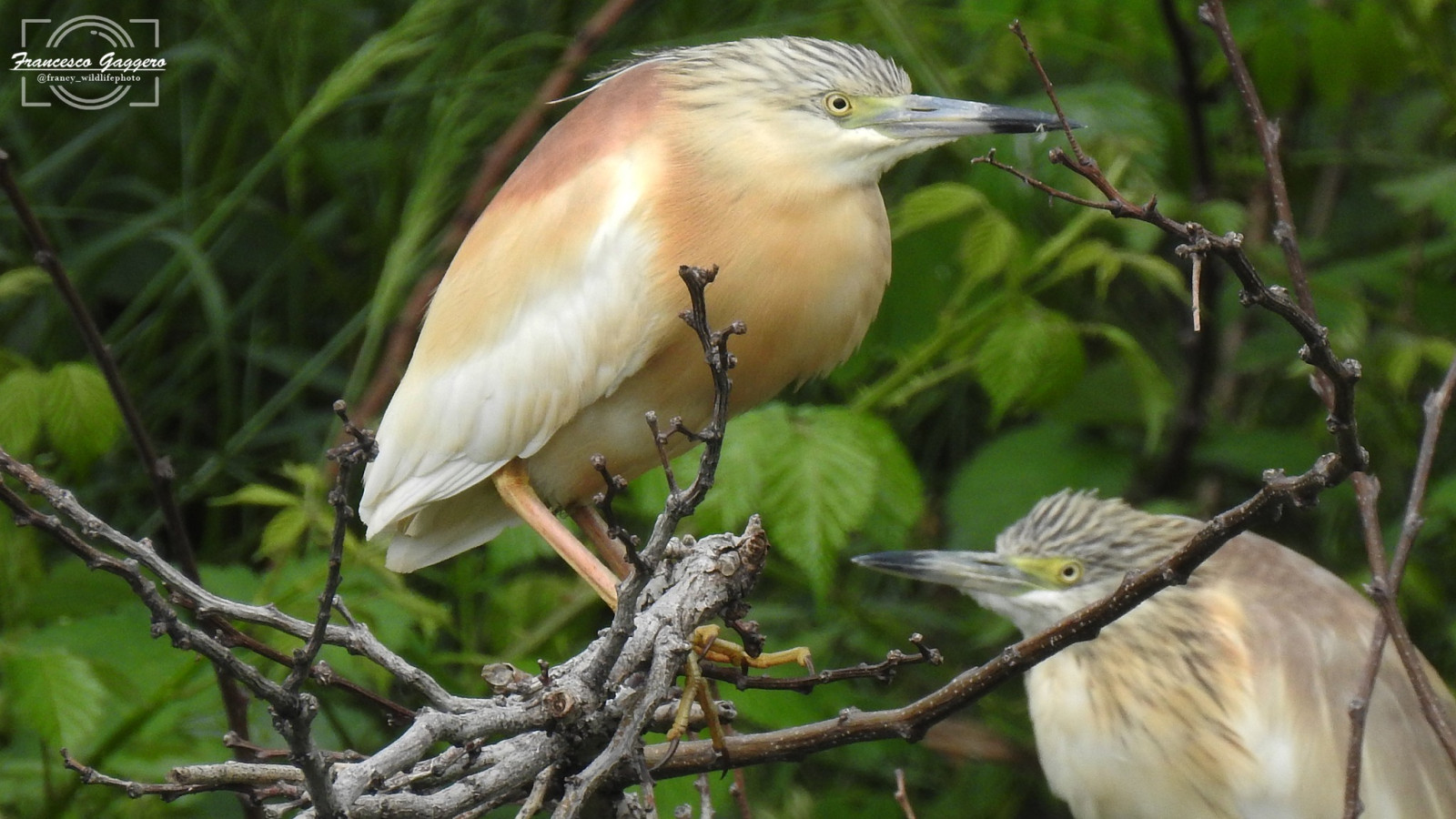
The surrounding area is noteworthy too: from the canal wooden bridge you may see Garça-pequena (regular presence) and Garça-roxa. Other heron species like Garca-vaqueira, Garça-real, Garça-branca-grande fly in formation above the canal and the city. The canal, which full name is Canale di calma di Pràm is a nice spot also in winter. Mobêlha-pequena is a regular winter species, and Pato-fusco was a special guest during December 2017. Also, Guincho-comum, Gaivota-de-patas-amarelas are present.
The area near the ecological island is a real hidden gem, having hosted migrant passerines such as Sombria (more than five together!), Felosa-dos-juncos, Petinha-das-árvores, alvéola-amarela, Falcão-de-pés-vermelhos, Ógea, Papa-amoras-comum and also a pair of Faisão during pandemic. You can make a stop here, but I doubt this place will host again such a wide variety of species. May is the perfect month to admire Bútio-vespeiro migration: if you are lucky enough and the wheather condition is good, you can sit on the park bench and see flocks of raptors flying above the city. Also, Milhafre-preto, Águia-cobreira and Águia-calçada are regular migrant raptors that you can spot from March to May.
_________________________
Italiano: Piccolo parco urbano con una grande varietà di vegetazione, che funge da punto di sosta per i passeriformi migratori durante la migrazione primaverile. Il canale è un ottimo punto per l'osservazione degli uccelli acquatici. Fascia di Rispetto di Genova Prà. In inverno e in estate questo parco non merita una visita, poiché sono presenti solo uccelli comuni e urbani, ma durante la migrazione primaverile questo luogo si trasforma in una tappa mirata per i passeriformi trans-sahariani.
Detalhes
Acesso
The park is accessible by car and by autobus. There are two car parks, one at west and one, bigger, at east. There are also 2 near bus stops.
_________________________
Italiano: Il parco è accessibile sia in auto che in bus. Ci sono due parcheggi, uno ad ovest e l'altro, più grande, ad est. La zona è servita anche con due fermate dell'autobus.


 ) para inserir nomes de aves no seu idioma. Os nomes das aves serão traduzidos automaticamente para outros utilizadores!