Descrição
The Confluenza Po - Orco - Malone is a protected area and part of the Natura 2000 network. The area covers approximately 312 hectares and fosters a variety of plant and animal species of wetlands and wooded areas. The waters of the Orco and Malone streams are of high quality, as they originate from the Alps of Canavese and are relatively unpolluted.
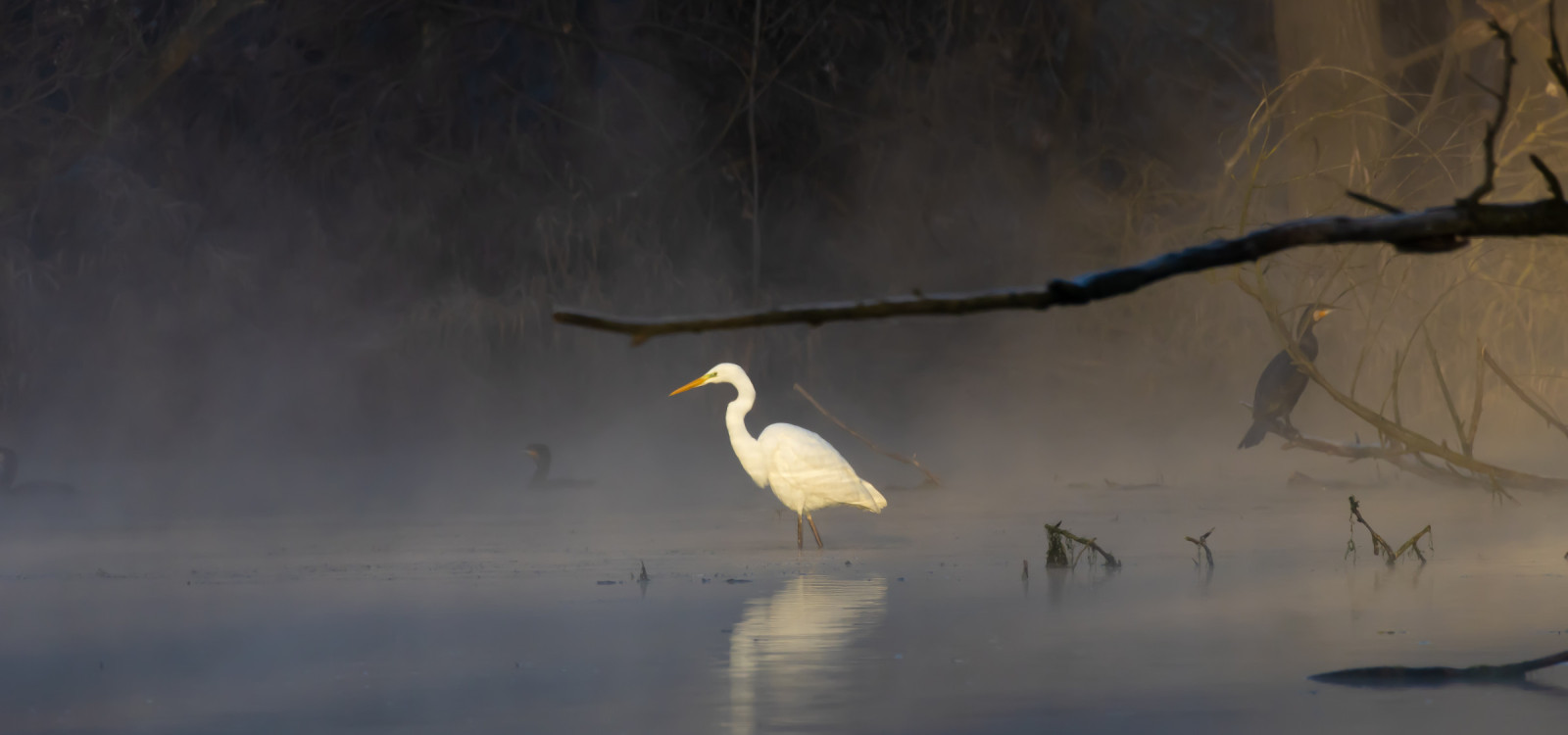
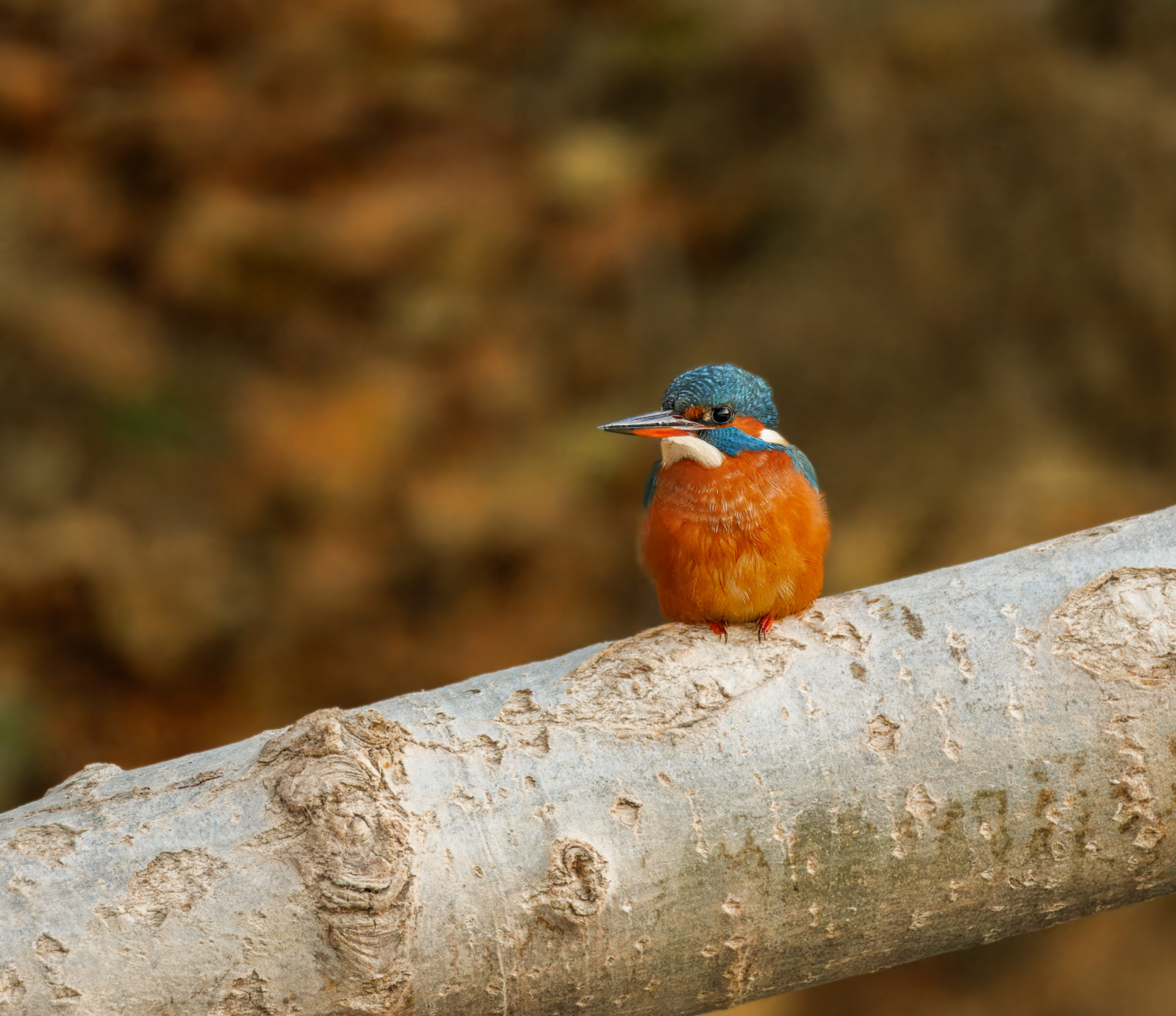
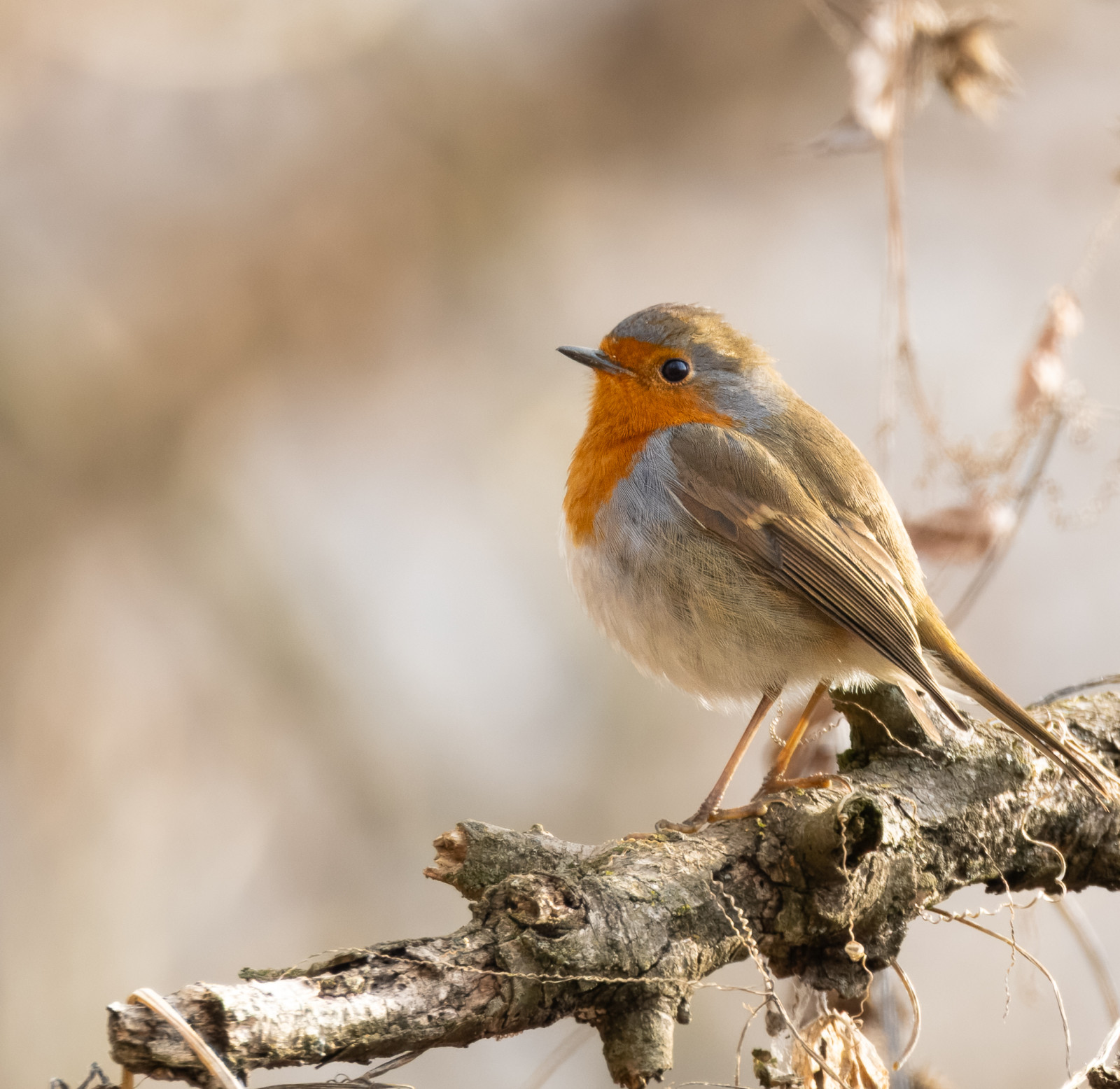
Despite the presence of roads, highways, and railroads nearby, the Confluenza Po - Orco - Malone maintains a fairly high degree of natural integrity. Over 80 species of birds have been recorded throughout the year, mostly consisting of songbirds, waterfowl, and shorebirds. Its relatively small area makes it less dispersive and easier to spot species of personal interest.
_________________________
Italiano: La Confluenza Po - Orco - Malone è un'area protetta e fa parte della rete Natura 2000. L'area si estende per circa 312 ettari e ospita una varietà di specie vegetali e animali di zone umide e aree boschive. Le acque dei torrenti Orco e Malone sono di elevata qualità, poiché provengono dalle Alpi del Canavese e sono relativamente incontaminate.
Nonostante la presenza di strade, autostrade e ferrovie nelle vicinanze, la Confluenza Po - Orco - Malone mantiene un grado di integrità naturalistica piuttosto elevato. Oltre 80 specie di uccelli sono state censite durante tutto l'anno, per lo più uccelli canori, acquatici e limicoli. La sua area relativamente piccola la rende meno dispersiva e individuare le specie di interesse personale risulta più facile.
Detalhes
Acesso
The Confluenza Po - Orco - Malone is located in the Piemonte region, specifically between the towns of Brandizzo and Chivasso. The area is accessible from both sides of the river. The north side can be reached on foot from the nearby Bricel Park and Sabiunè Park. The south side can be reached from Chivasso or Brandizzo, with a parking lot near the bridge over the Orco river.
The area is best explored on foot, especially for photographic purposes, but it can also be a nice bike ride.
_________________________
Italiano: La Confluenza Po - Orco - Malone si trova in Piemonte, precisamente tra i comuni di Brandizzo e Chivasso. L'area è accessibile da entrambe le sponde del fiume. Il versante nord è raggiungibile a piedi dai vicini Parco Bricel e Parco Sabiunè. Il versante sud è raggiungibile da Chivasso o Brandizzo, con un parcheggio nei pressi del ponte sul fiume Orco.
Il modo migliore per esplorare la zona è a piedi, soprattutto per scopi fotografici, ma può essere piacevole anche fare un giro in bicicletta.
Terreno e Habitat
Floresta , Terras húmidas , Árvores e arbustos dispersos , Rio , AgriculturaCondições
Plano , RochosoCaminho circular
Simé útil um telescópio?
Pode ser útilBoa temporada de observação de aves
Durante todo o anoMelhor hora para visitar
Primavera , OutonoRota
Caminho largo , Caminho estreitoCaminho dificil
FácilAcessível por
Pé , BicicletaAbrigo/plataforma deobservação de aves
NãoInformação extra
The Municipality of Chivasso has recently promoted a project called "Environmental enhancement and implementation of biodiversity in the Sabiunè Park", which has been approved by a regional grant and aims to reduce the artificiality of surfaces through naturalistic restoration, contain invasive alien species, increase biodiversity both punctually and through the restoration of habitats such as wetlands, and finally create locally important footpaths and educational/training trails.
_________________________
Italiano: Il Comune di Chivasso ha recentemente promosso un progetto denominato "Valorizzazione ambientale e implementazione della biodiversità nel Parco Sabiunè", approvato con contributo regionale, che si propone di ridurre l'artificialità delle superfici attraverso ripristini naturalistici, contenere le specie aliene invasive, incrementare la biodiversità sia puntualmente sia attraverso il ripristino di habitat quali le zone umide, e infine realizzare sentieri e percorsi didattico-formativi di rilevanza locale.


 ) para inserir nomes de aves no seu idioma. Os nomes das aves serão traduzidos automaticamente para outros utilizadores!