

Descrição
Rahasane turlough is the largest surviving turlough (an intermittent lake) in Ireland. It is an important location for migrating birds, and wintering ground for the Ganso-grande-de-testa-branca. It is one of the few known breeding grounds in Ireland of the Piadeira. The Marreco can be seen on occasion. And it is a very good place to spot accidental visitors from America, such as Piadeira-americana, and from Europe, such as Gaivina-preta.
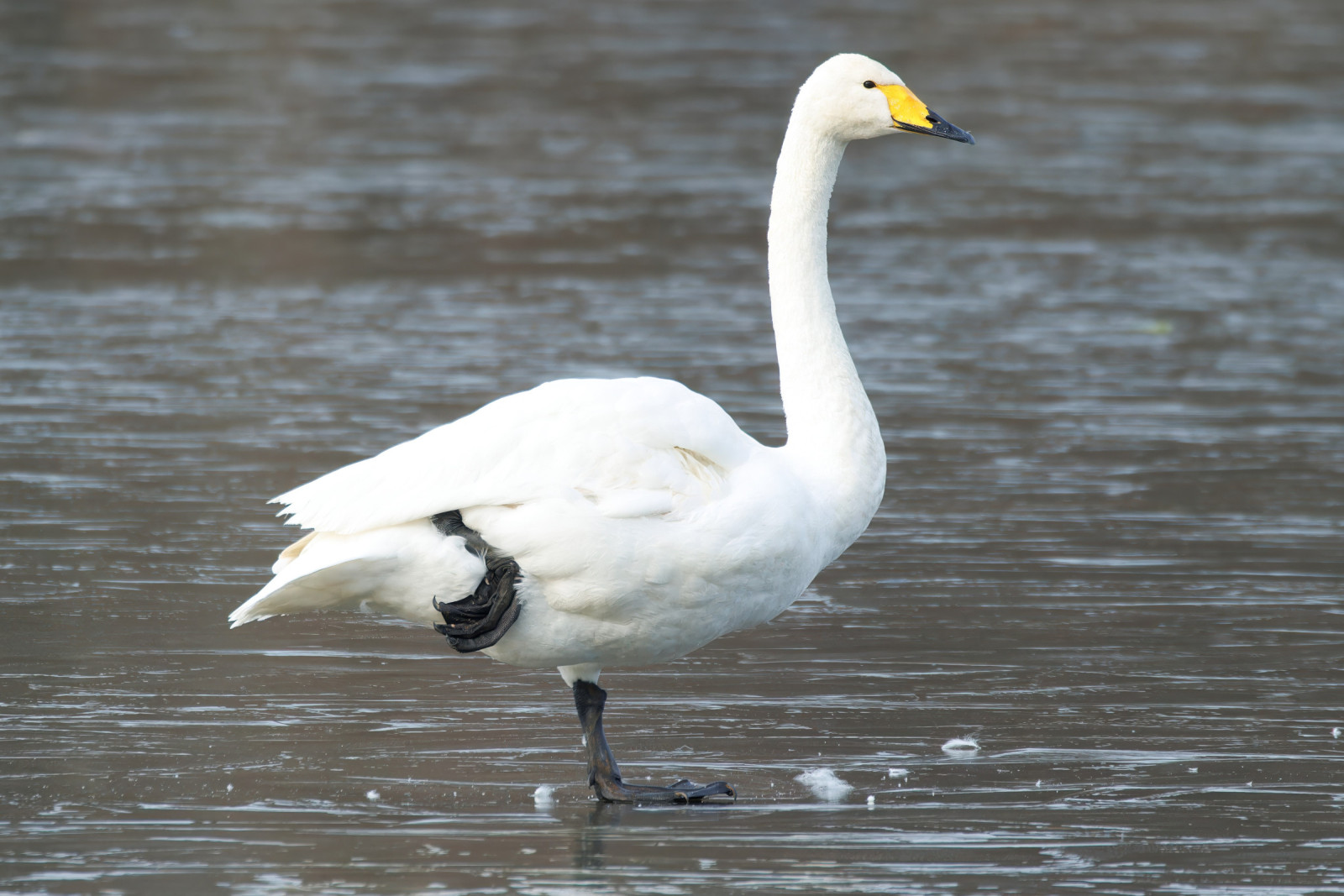
In winter you can find Greenland Ganso-grande-de-testa-branca (nationally important numbers) and Cisne-bravo are regular in small numbers. There are often large numbers of Piadeira, whilst Pato-real, Marrequinha-comum, Pato-trombeteiro, Zarro-negrinha and Zarro-comum will also be present. There is a good chance of Arrabio and Frisada, which are not easy to find in Galway. Winter waders include large numbers of Tarambola-dourada and Abibe-comum , with Maçarico-real, Perna-vermelha-comum, Maçarico-de-bico-direito and Pilrito-comum as a supporting cast. In autumn there are often rarer waders if water levels are favourable. Birds like Perna-amarela-pequeno, Maçarico-bastardo, Combatente, Pilrito-de-bico-comprido, Narceja-galega and Borrelho-ruivo have been seen.
Detalhes
Acesso
This site is best reached from the main N18 Galway to Limerick road. At Kilcolgan (18 km, 11 m, south of Galway) turn left onto the minor road to Craughwell. After a few km the turlough will be seen to the right of the road. There are several viewpoints along the road and from lane ends leading from it. Please take care when parking.
Terreno e Habitat
Terras húmidas , CampinaCondições
Paisagem abertaCaminho circular
Nãoé útil um telescópio?
Pode ser útilBoa temporada de observação de aves
Inverno , OutonoMelhor hora para visitar
InvernoRota
Estrada pavimentadaCaminho dificil
FácilAcessível por
CarroAbrigo/plataforma deobservação de aves
NãoInformação extra
A turlough is a karst lake, which has no surface outlet and is surrounded on all sides by rising land. At Rahasane the drainage has been modified in that since the nineteenth century the Dunkellin river has followed an artificial channel downstream of the turlough, but part of the flow continues to go underground, via a natural sink, into the underlying limestone. Rahasane consists of two basins which are connected at times of flood but separated as the waters decline. It covers 257 ha. The site comprises marshes, seasonally flooded wet meadows, with limestone outcrops and scrub at its margins. In the summer the lake empties and the basin is grazed by cattle, horses and sheep.



 ) para inserir nomes de aves no seu idioma. Os nomes das aves serão traduzidos automaticamente para outros utilizadores!