Descrição
The Jhalana Reserved Forest area is open all year round. It is a mix of valleys (in which the game trails are laid), fossilized fluvial sand dunes anchored to the Aravalli hills and the hills themselves. Old plantations of Acacia tortilis exist, done to stabilize the dunes. Some areas are grasslands and rest woodland. In the hill slope you get to see the Anogeisssus pendula forests that are typical of the Aravalli Hills.
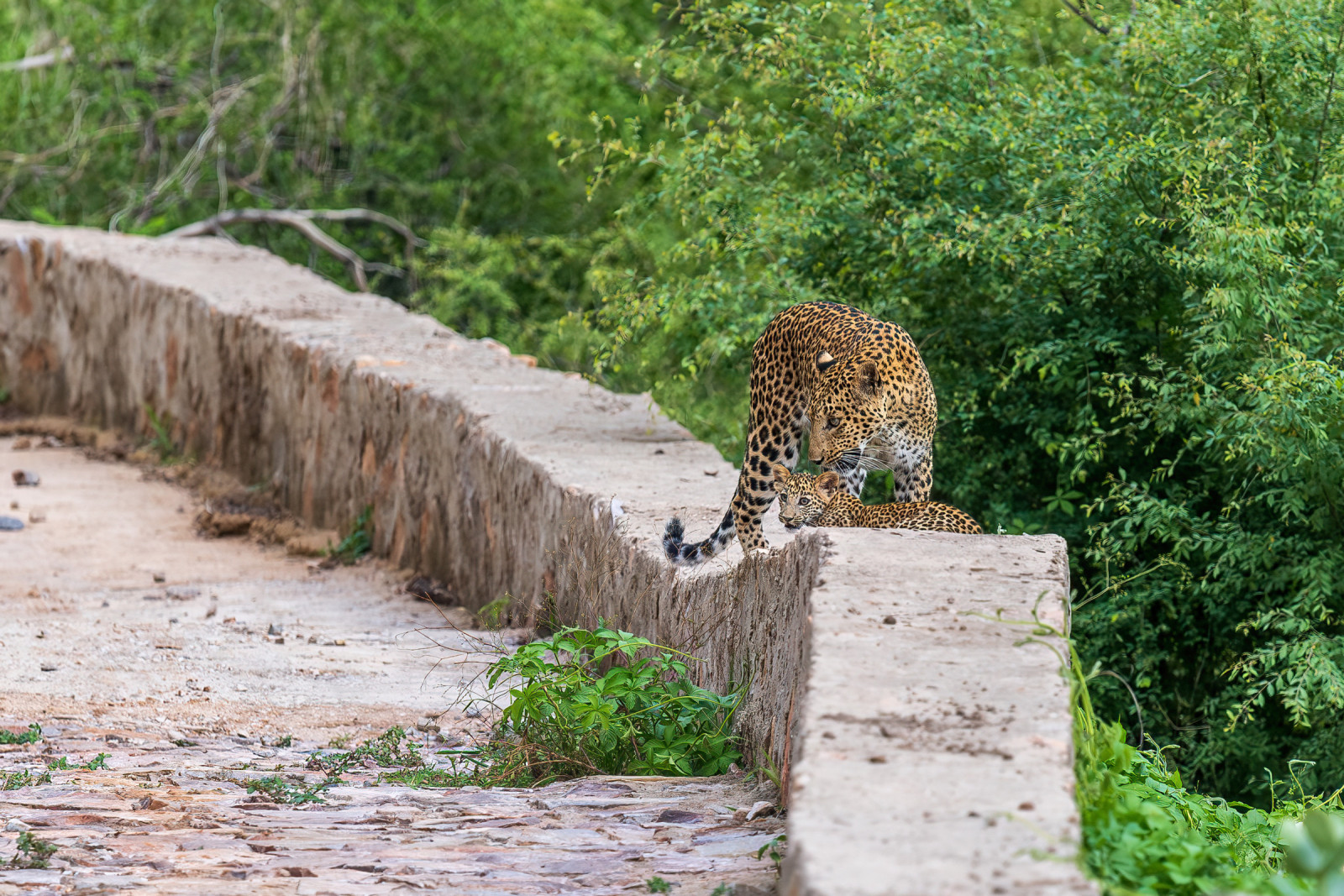
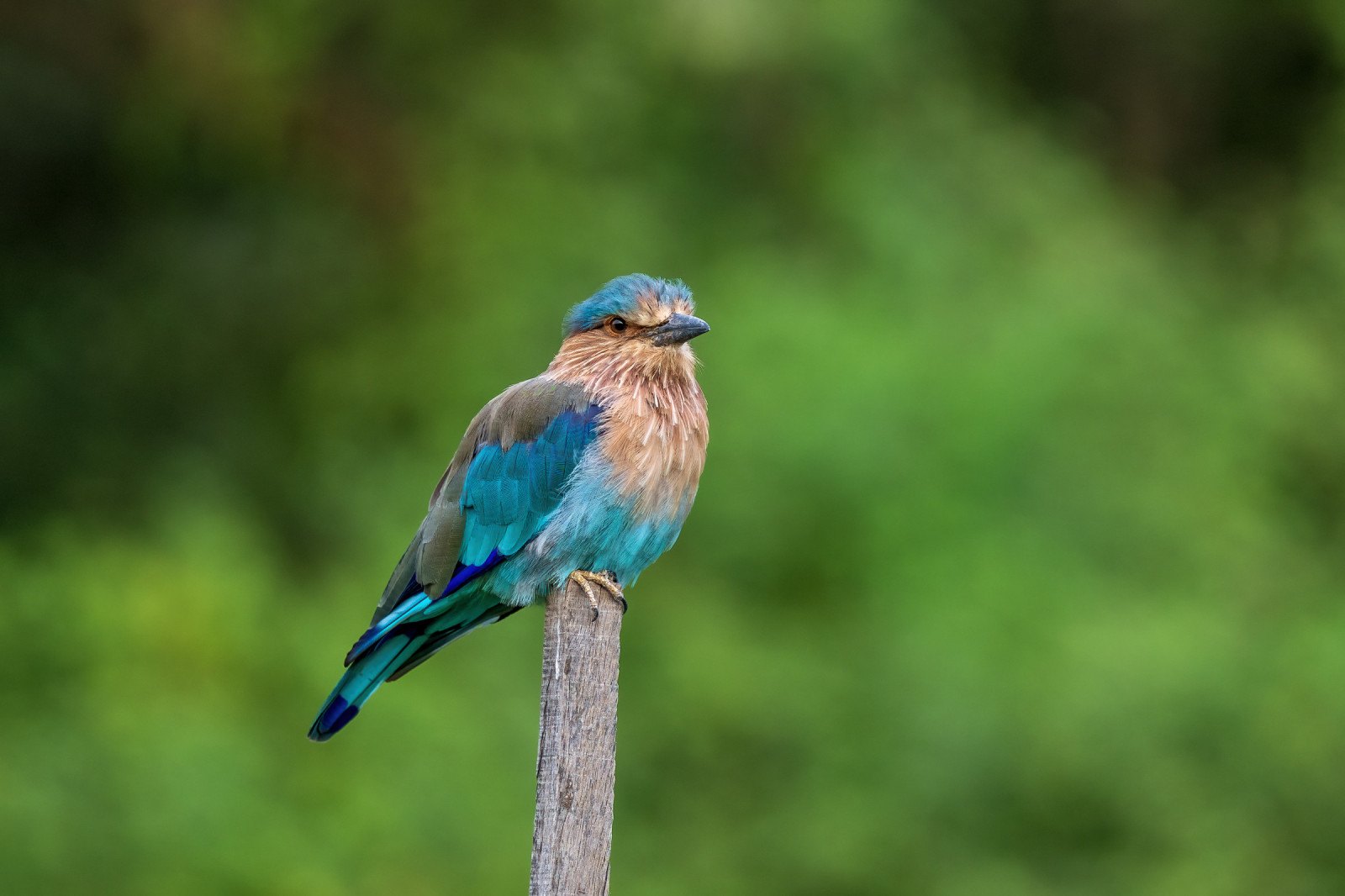
This area not only offers the finest sightings of wild Leopards in the world (a statement I am making with responsibility), but is an amazing refuge of resident and migratory birds. A good population of Indian Peafowl, Jungle Babblers, Yellow-throated Sparrows, Bay-backed and Long-tailed Shrikes, Shikra, Spotted Owlets, Yellow-footed Green Pigeons, Crested Buntings, Black-rumped Flameback, Mahratta Woodpecker, Greater Coucal, Grey Fancolin, Jungle Bush Quail, White-bellied and Common Drongos are some of the resident bird species.
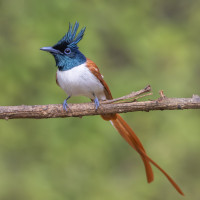
Summer and monsoon migrants include Pied Crested Cuckoo, Common Cuckoo, Common Hawk Cuckoo, Indian Cuckoo, Grey-breasted Cuckoo, Indian Pitta, Indian Paradise Flycatcher, Indian Golden Oriole, Marshall's Iora, etc. One can also observe Common Woodshrike, Grey-headed Bunting, and Grey-capped Pygmy Woodpecker.
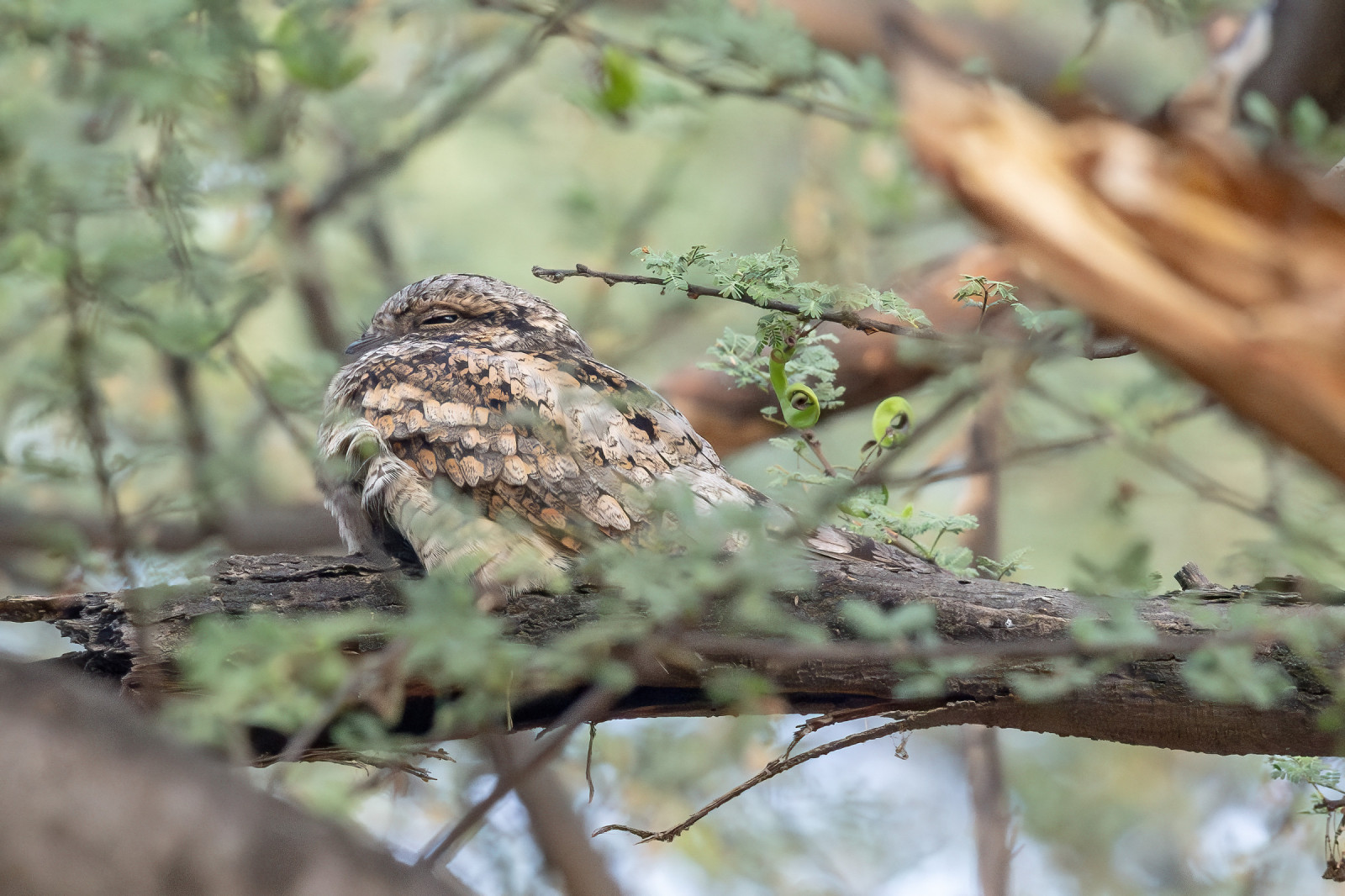
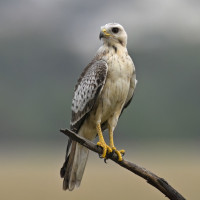
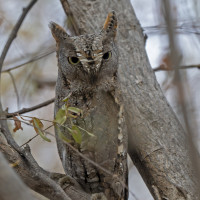
Depending on season, Indian Scops Owl, Oriental Scops Owl (including the Orange Morph), Eurasian Scops Owl, Pallid Scops Owl, Brown Hawk Owl, Indian Eagle Owl have been recorded. Other raptors include, Eurasian Hobby, Northern Goshawk, Eurasian Sparrowhawk, Black eagle, Crested-seprent Eagle, Oriental Honey Buzzard, Bonelli's Eagle, Long-legged and Common Buzzard, White-eyed Buzzard, Black-winged Kite, etc. The Indian Nightjar is easily sighted.
Detalhes
Acesso
The entry of Jhalana Reserved Forest is in Jaipur city, ahead of Malavyanagar Industrail Area. There is sufficient parking. Press P on the map for directions. Safaris are in open top Gypsies that can be booked in advance on line from the Government of Rajasthan Forest Department's website (please do note: In India, all government websites end with a gov.in. So in this case the url shall be https://forest.rajasthan.gov.in (see the clickable link below). If the website is offline, you can try to contact pccf.forest@rajasthan.gov.in
There are three routes marked and all tourists can visit all routes. Walking is not permitted because of presence of wild Leopards. Birding from the open top vehicle is easy.
Terreno e Habitat
Floresta , Árvores e arbustos dispersos , Campina , Vale , Montanha , Dunas , Cidade/VilaCondições
Montanhoso , Rochoso , Seco , Paisagem aberta , Poeirento , MontanhosoCaminho circular
Simé útil um telescópio?
NãoBoa temporada de observação de aves
Durante todo o anoMelhor hora para visitar
Verão , InvernoRota
Estrada pavimentada , Estrada não pavimentadaCaminho dificil
Acessível por
CarroAbrigo/plataforma deobservação de aves
NãoInformação extra
There is an old hunting tower on top of a hill. Dusky Crag Martins nest in the buidling. The terrace is accessible (steep stairs) and offers a canopy top view of the forests around.

 ) para inserir nomes de aves no seu idioma. Os nomes das aves serão traduzidos automaticamente para outros utilizadores!