Descrição
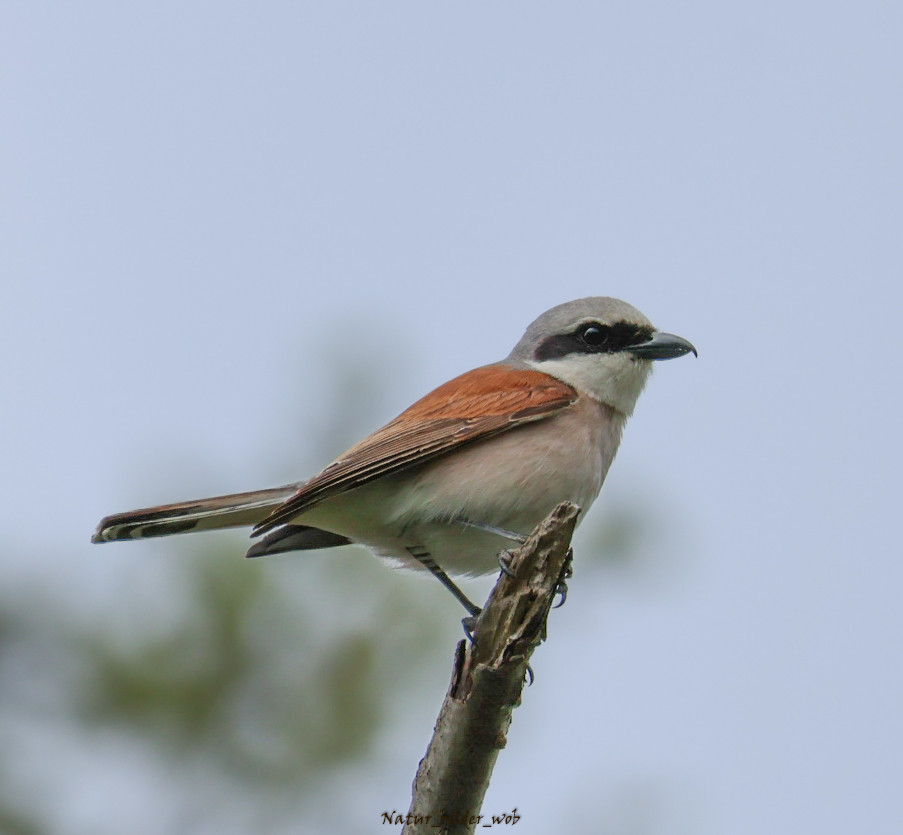
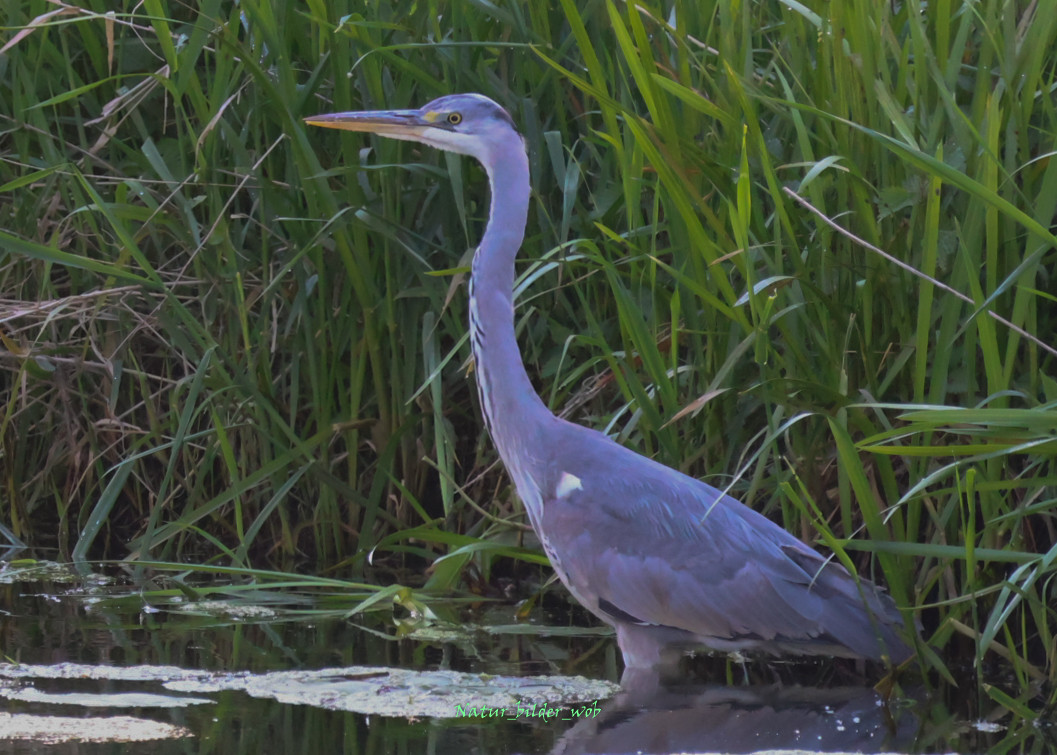
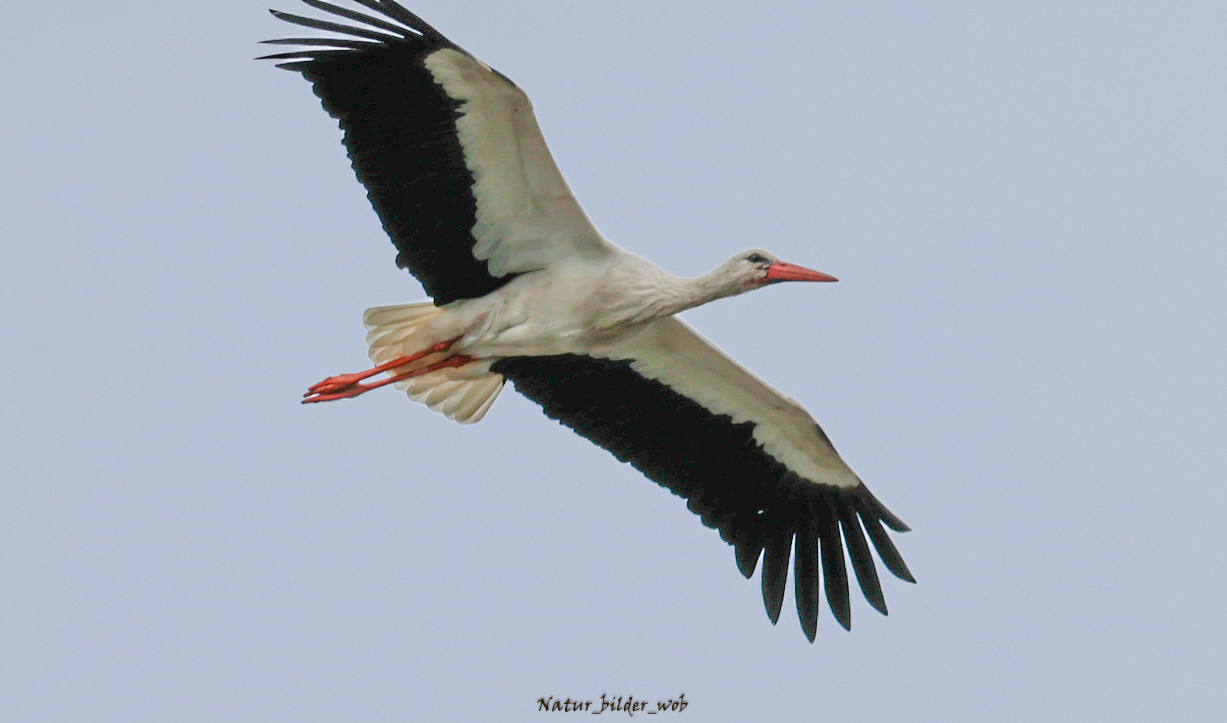
The Wendschotter und Vorsfelder Drömling is a flat lowland area on moorland in the glacial valley of the Aller. Characteristic are high groundwater levels and periodic flooding. It's a complex of largely extensively used floodplains, wet meadows, hay meadows and pastures. Scattered are smaller forest areas, hedges, bushes, reed beds and smaller still waters, connected by an extensive network of ditches with rich aquatic vegetation and connection to the Aller river system. The area is divided into two parts by the Mittelland Canal. Beavers and otters live in the area, many special dragonflies and amphibians are found here, as well as special flora. But the area is also great for birdwatching. Among the birds you can see are Cegonha-preta, Cegonha-branca, Codornizão, Tartaranhão-ruivo-dos-pauis, Milhafre-real, Milhafre-preto, Ógea, Narceja-comum, Torcicolo, Rouxinol-comum and Papa-figos.
Detalhes
Acesso
The area is accessed by several farm roads that can be used by pedestrians and cyclists to explore the area. The suggested circular route on the map is 12,5 km long and is suitable for both cyclists and walkers. It runs through wet meadows but also through some forested parts. This route can easily be shortened and many other routes are also possible.
Terreno e Habitat
Terras húmidas , Árvores e arbustos dispersos , Campina , Zonas húmidas , Camas de junco , RioCondições
Pantanoso , Paisagem abertaCaminho circular
Simé útil um telescópio?
NãoBoa temporada de observação de aves
Durante todo o anoMelhor hora para visitar
PrimaveraRota
Estrada pavimentada , Estrada não pavimentada , Caminho largoCaminho dificil
FácilAcessível por
Pé , BicicletaAbrigo/plataforma deobservação de aves
NãoInformação extra
The Wendschotter und Vorsfelder Drömling area is part of the Unesco Drömling Biosphere Reserve (see the link below for more info) Drömling is a sparsely populated depression on the border of Lower Saxony and Saxony-Anhalt with an area of about 340 square kilometres. The former swampland was transformed by drainage from a natural into a cultural landscape. Today the depression, with its waterways, the Mittelland Canal and the rivers Aller and Ohre is a refuge for rare or endangered species of animal and plant. Most of the area is now made up of nature reserves and protected areas.



 ) para inserir nomes de aves no seu idioma. Os nomes das aves serão traduzidos automaticamente para outros utilizadores!