

Descrição
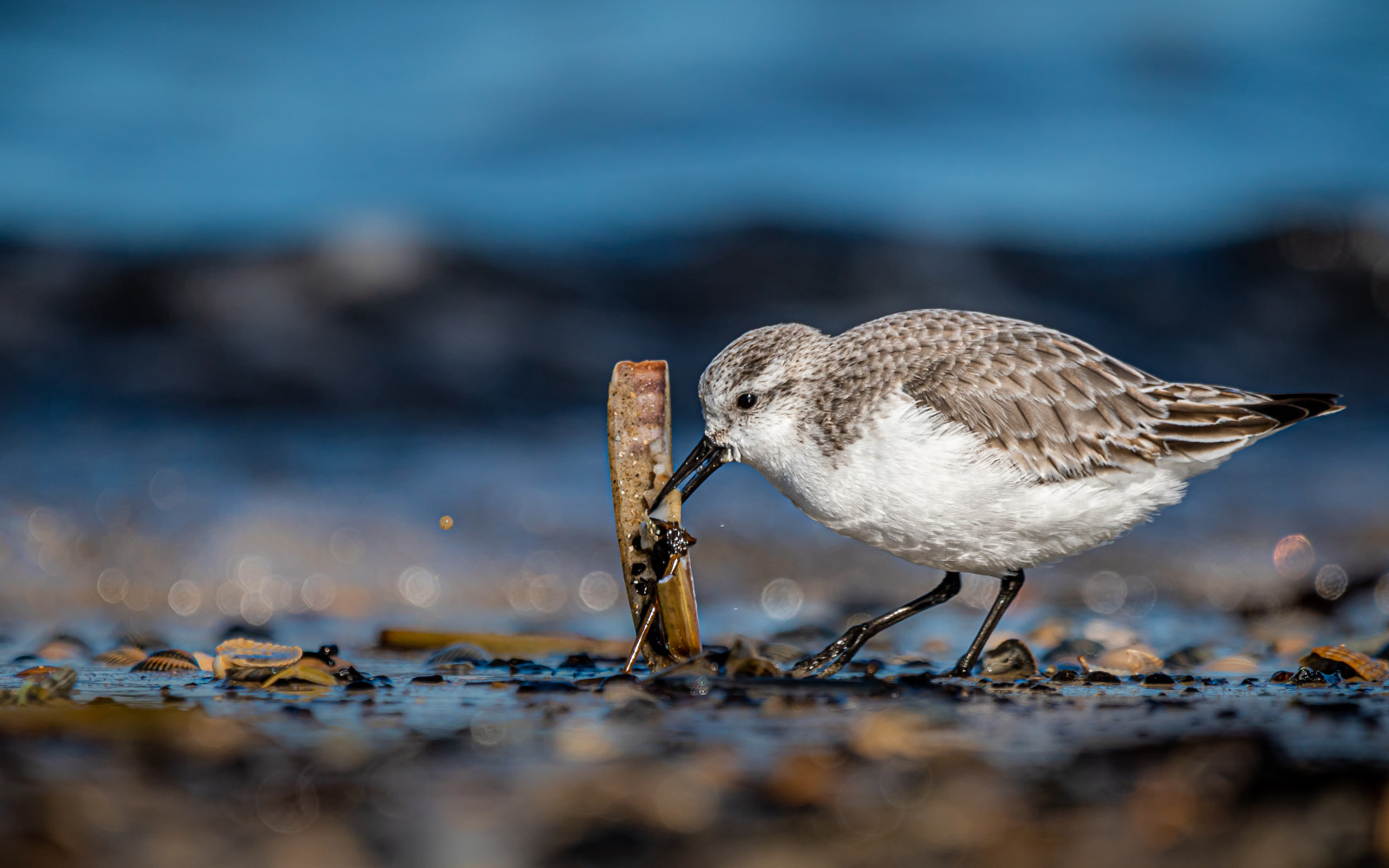
A visit to Spiekeroog can be very relaxing and exciting and the same time. The laid-back living-style on the island, where cars are forbidden and even bikes are scarse allows for great stress relief in the vast expanses of marshes, wadden areas or in the scenic village, while huge flocks of Pilrito-comum , Perna-vermelha-comum and many other waders allow for stunning flight spectacles. There are huge breeding colonies of Colhereiro, gaivota-da-asa-escura and the songs of Laverca fill the air, whereas in spring and autumn you may always hope for great seawatching and rare vagrants.
Detalhes
Acesso
There is no airport, so one has to use the ferry to get there. You can find more info on ferries on the link below. There are no cars on the island and no bikes either, so you'll have to do everything by walking (however small, electrical lorries may take your baggage to your apartment)
Terreno e Habitat
Campina , Planice , Árvores e arbustos dispersos , Dunas , Mar , Praia , Lamaçais , Camas de juncoCondições
Montanhoso , Arenoso , Paisagem aberta , Possível na maré cheia , PlanoCaminho circular
Simé útil um telescópio?
Pode ser útilBoa temporada de observação de aves
Durante todo o anoMelhor hora para visitar
Migração da primavera , Migração de outonoRota
Estrada pavimentada , Estrada não pavimentada , Caminho largo , Caminho estreitoCaminho dificil
Caminhada médiaAcessível por
Pé , Cadeira de rodasAbrigo/plataforma deobservação de aves
NãoInformação extra
Visiting the island is worthwile at every time of the year as awesome birds can be found throughout the year. Migration can be spectacular in spring and autumn with tens of thousands of Pilrito-comum , Ostraceiro , Maçarico-real , Fuselo , Pato-branco , different gulls feeding in the mudflats. Among them rarer waders such as Pilrito-pequeno, Pilrito-de-bico-comprido or Maçarico-galego can be spotted with a bit of patience. The island is famous for being the only stronghold of Coruja-do-nabal in Germany and some of the very last breeding German Tartaranhão-azulado.
Seawatching can be very worthwile especially in early May and late September, with good chances for all four Skua species and the occasional alcids or tubenose flying by. The grasslands in the eastern part of the island, where gulls , waders and Colhereiro breed are closed off to the public during the breeding time.


.jpg)


 ) para inserir nomes de aves no seu idioma. Os nomes das aves serão traduzidos automaticamente para outros utilizadores!