Descrição
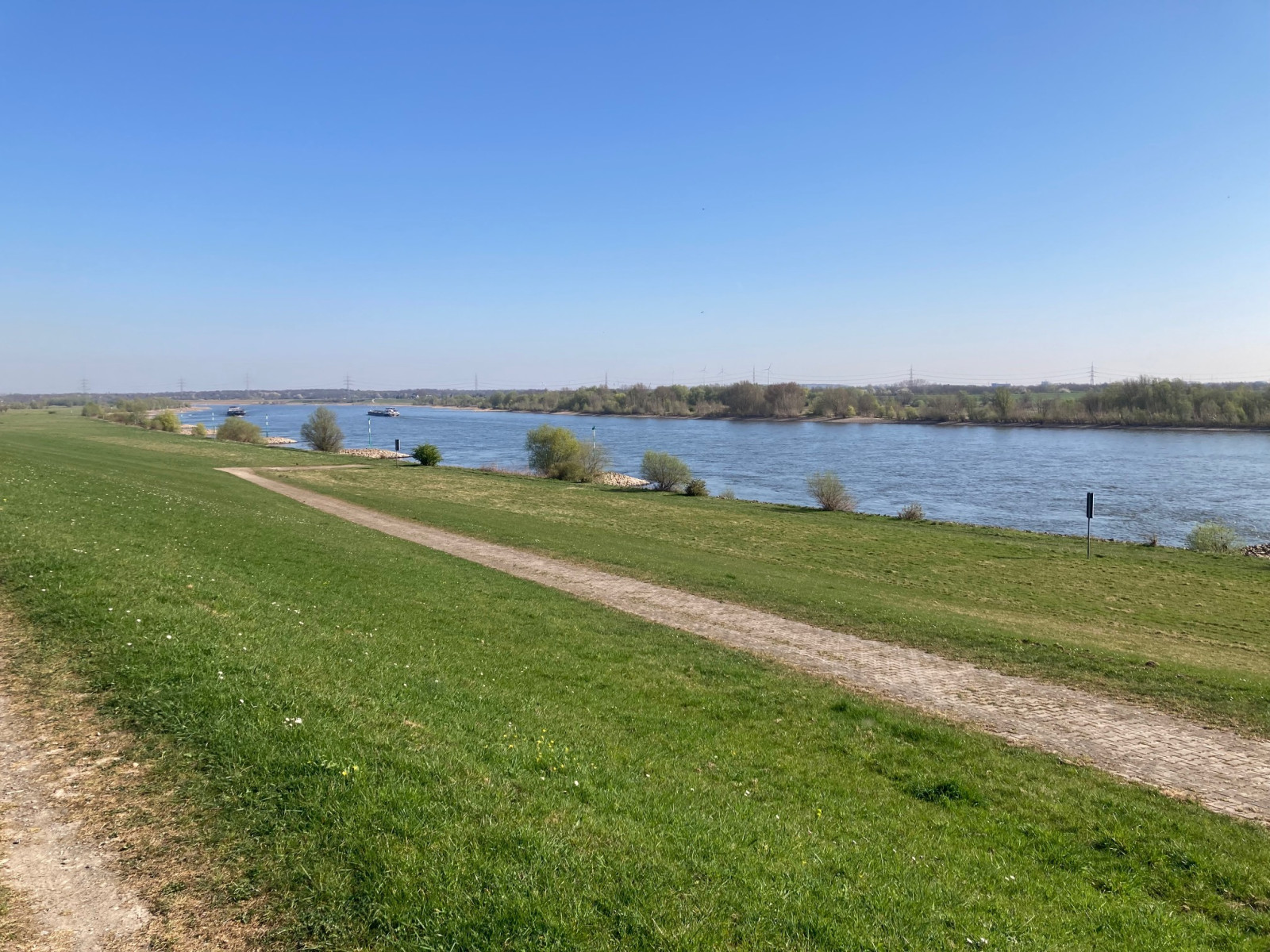
Naturschutzgebiet Hasenfeld and Rheinvorland is located between Eversael and Ossenberg. At the beginning you cross open cultural landscapes and meadows, where species such as Águia-d'asa-redonda or in winter Ganso-grande-de-testa-branca are at home. Then you climb the dike and get an overview of the partially flooded meadows, and you immediately notice the singing Laverca. In winter it is teeming with Ganso-grande-de-testa-branca and Ganso-campestre.
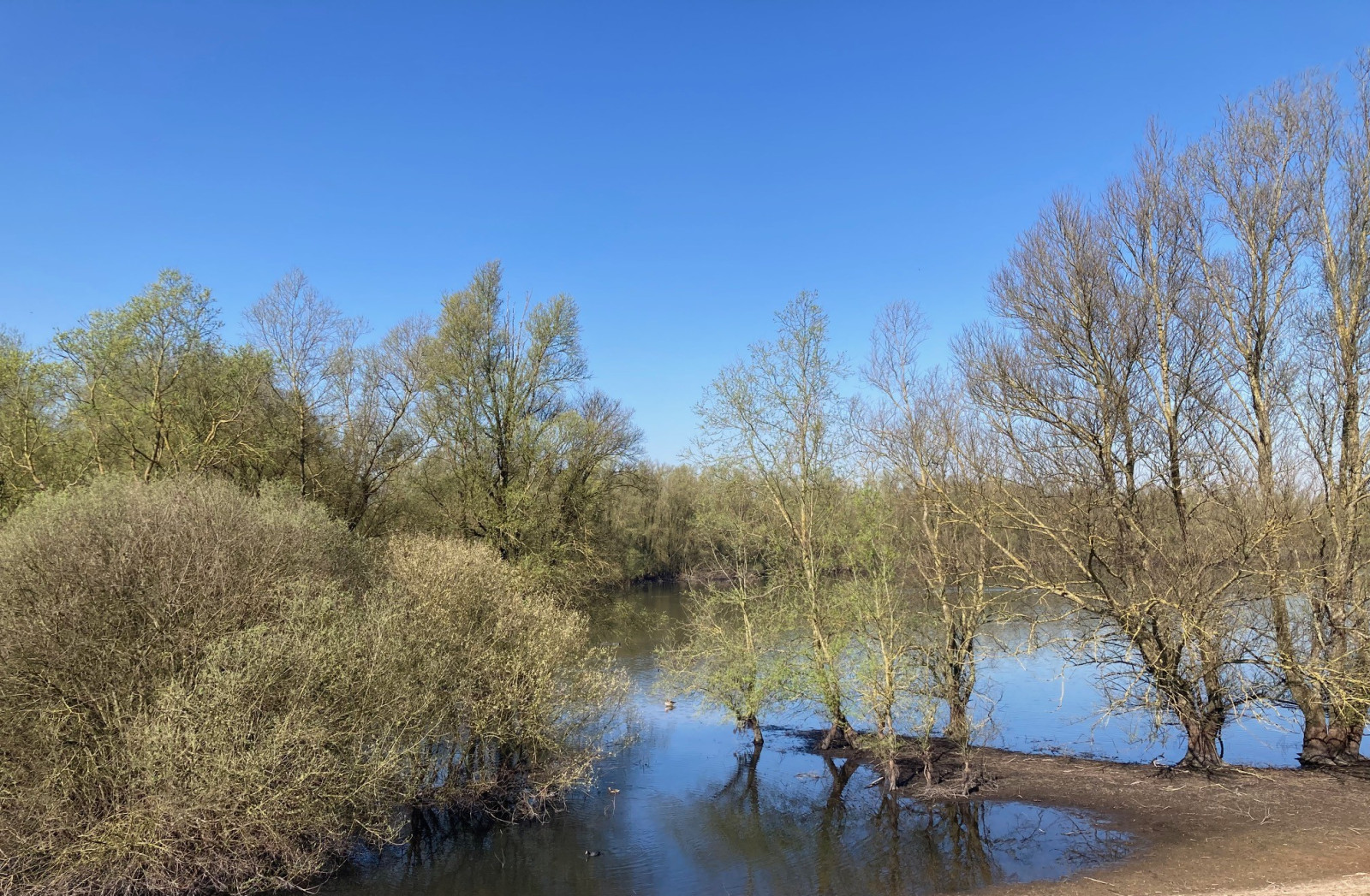
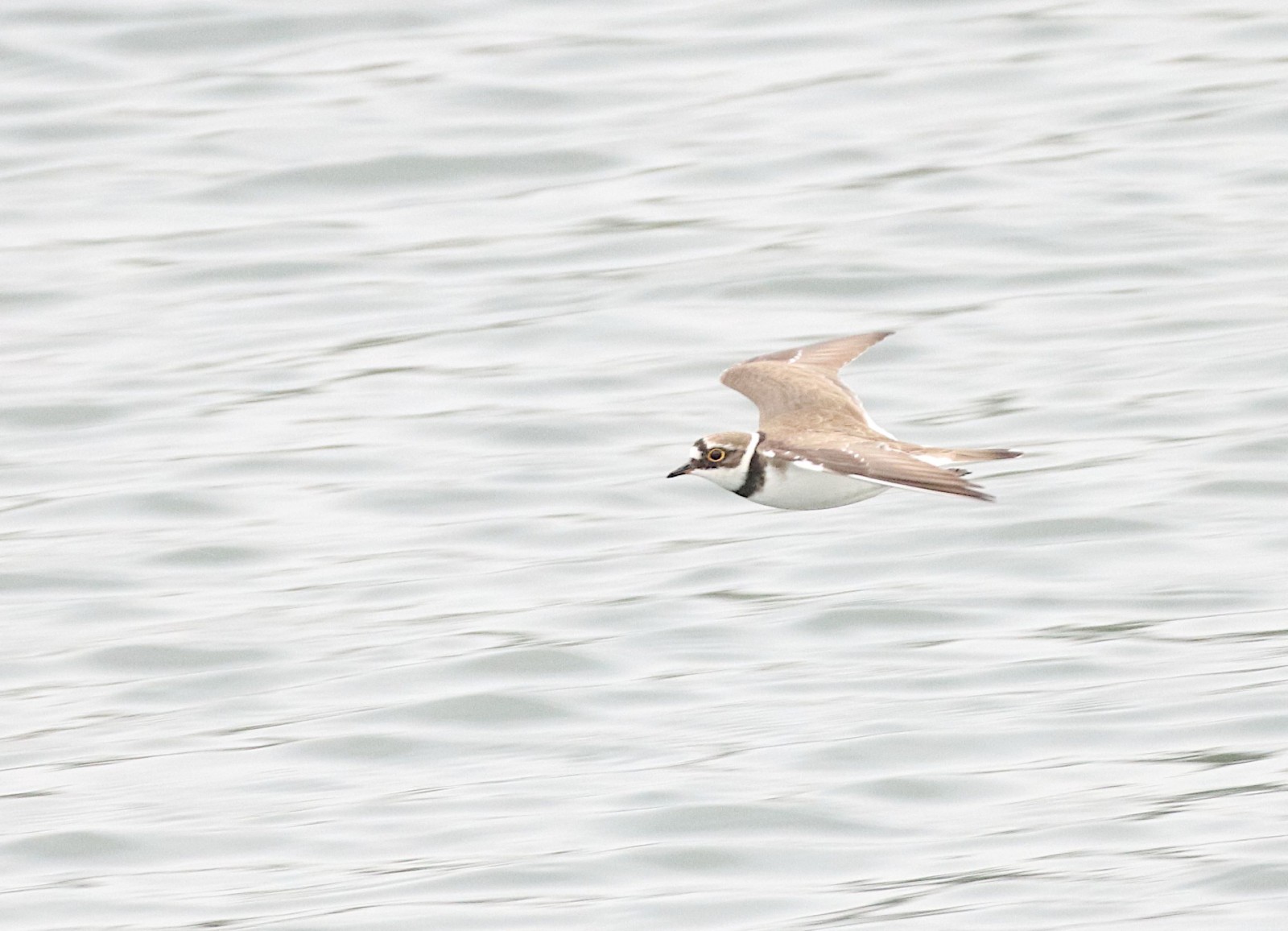
Then you come to the first lake, the water level of which is determined exclusively by precipitation. The migration time is definitely the most productive time here. Then you can, among other things see Borrelho-pequeno-de-coleira, Perna-verde-comum as well as Águia-pesqueira. In winter there are species like Merganso-pequeno, Zarro-comum or Merganso-grande.
The path continues through a landscape of wet meadow and floodplain, which is the busiest in summer, for example here you will find Laverca, Petinha-dos-prados, alvéola-amarela as well as Faisão. Large swarms of Piadeira also stay here at migration time. Then you reach the flood lakes, here you can find species like Garça-branca-grande, Narceja-comum, Perna-vermelha-comum and Maçarico-de-bico-direito.
On the other side of the dike begins a landscape of open space, isolated trees and bushes. Directly on the dike is a colony of Garça-real, further inland you can find species such as Picanço-de-dorso-ruivo, Papa-amoras-comum, Escrevedeira-amarela and Pássaro-bique-bique. The way back leads through fields and meadows, which are not so productive in summer, but in winter you can find Tundra Bean Goose here. Alternatively, you can of course walk back along the dike.
Detalhes
Acesso
The area can either be reached via the A42 or A57, or alternatively with the Rhine ferry Orsoy via Rheinberger Straße. The parking lot is on the street "Drießen" under the first lake, opposite a bus stop. The area is best explored on foot or by bike, although it is also possible to travel by car, but you will not be able to reach a few points. The circular route as shown on the map is about 11 km long.
Terreno e Habitat
Floresta , Terras húmidas , Lamaçais , Campina , Árvores e arbustos dispersos , AgriculturaCondições
Plano , Paisagem aberta , Possível na maré cheiaCaminho circular
Simé útil um telescópio?
Pode ser útilBoa temporada de observação de aves
Durante todo o anoMelhor hora para visitar
Verão , Migração da primavera , Migração de outonoRota
Caminho largo , Estrada pavimentadaCaminho dificil
FácilAcessível por
Pé , Bicicleta , CarroAbrigo/plataforma deobservação de aves
NãoInformação extra
Rare species that have been seen in the area are Flamingo-comum, Picanço-barreteiro, Íbis-sagrada, Colhereiro and Alfaiate.


 ) para inserir nomes de aves no seu idioma. Os nomes das aves serão traduzidos automaticamente para outros utilizadores!