Descrição
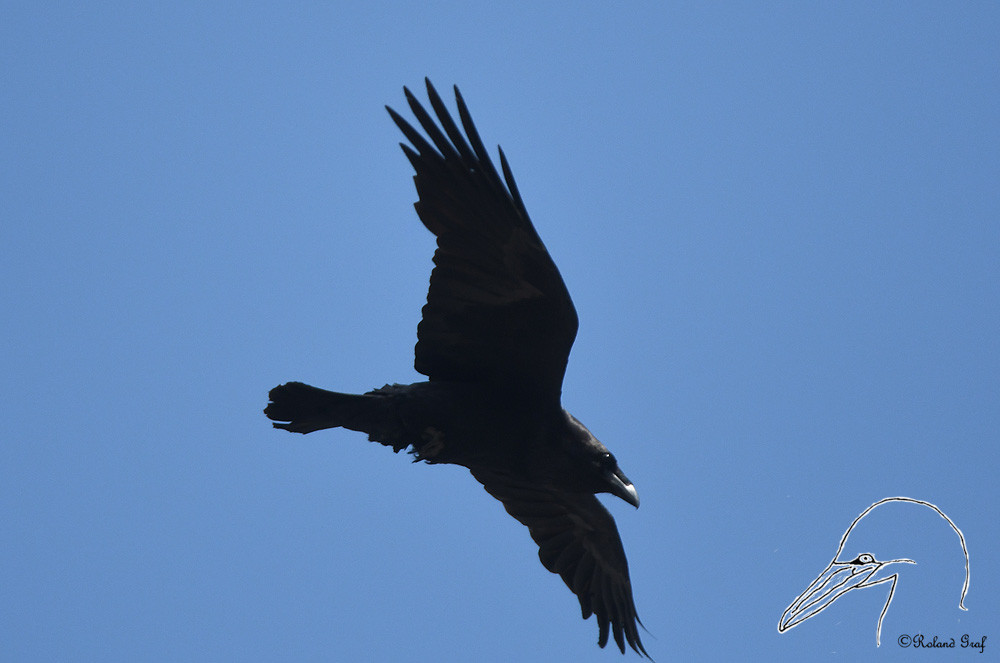
Nationalpark Berchtesgaden covers an area of approximately 210 square kilometers. It is characterized by its mountainous terrain, with the eastern, southern, and western boundaries coinciding with the state border between Germany and Austria. The national park has rugged cliffs, forests and wild torrents, as well as green pastures and idyllic valleys. There are beautiful places for observing alpine birds. Águia-real is a characteristic species of the Berchtesgaden National Park. Four pairs regularly breed in the protected area. Since 2021, young Quebra-ossos have been released annually. As a bark beetle specialist, the Pica-pau-tridáctilo reaches high population sizes in the National Park. Other rare woodpecker species like Torcicolo, Pica-pau-cinzento and Pica-pau-de-dorso-branco can also be found.
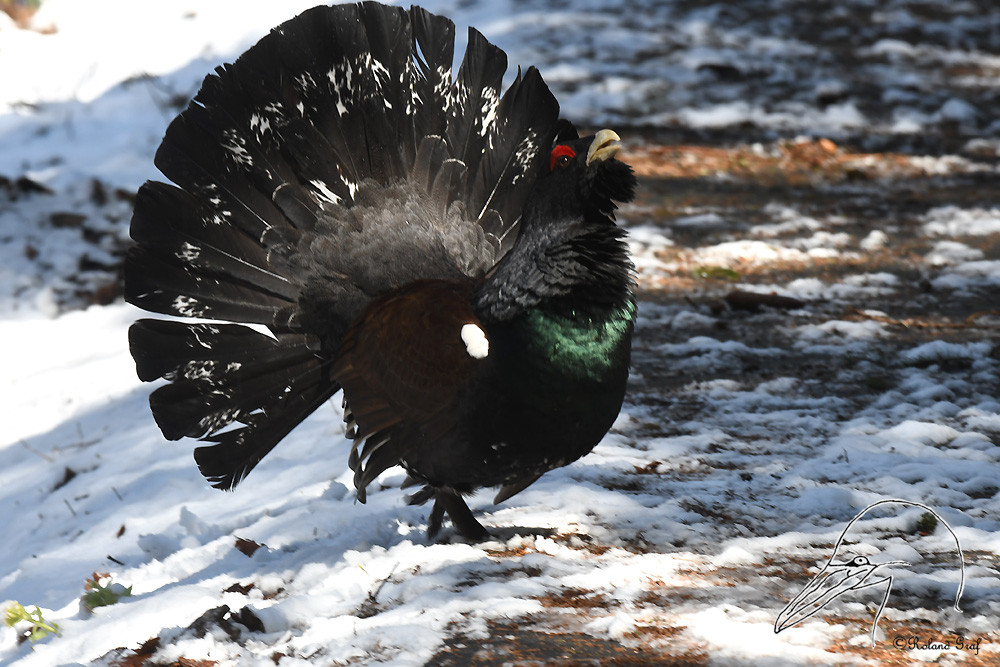
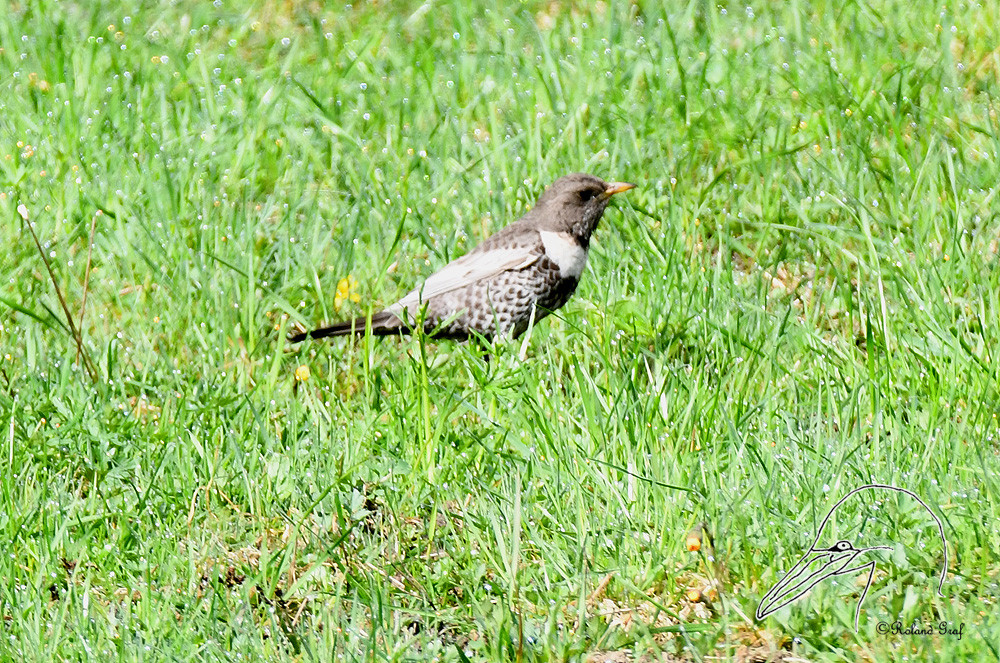
Tetraz and Galinha-do-mato also benefit from the high structural richness in the forests of the National Park. In the area of the upper timberline in the mountain pine fields and alpine grasslands as well as on alpine pastures, the Galo-lira is regularly found. The Melro-de-peito-branco also nests here. In the rocky areas you can find Lagópode-branco and Trepadeira-dos-muros.
Among the other birds you can observe in the area are Androinha-das-rochas, Gralha-de-bico-amarelo, Quebra-nozes, Mocho de Tengmalm, Mocho-pigmeu, Melro-d'água and Ferreirinha-alpina. Alpine animals such as chamois, ibex and marmots can also be observed.
260 kilometers of hiking trails and alpine paths open up the national park - from barrier-free circular hikes to high-alpine summit ascents. The national park also offers guided tours to special bird species (see the link below).
Detalhes
Acesso
Berchtesgaden National Park is situated in the southern part of Germany, right on the border with Austria. In the immediate vicinity are the five communities of Berchtesgaden, Bischofswiesen, Marktschellenberg, Ramsau and Schönau am Königssee.
By car you can reach the Berchtesgaden National Park coming from Germany via the A 8 Munich-Salzburg freeway (exit: Bad Reichenhall), from Austria via the A10 Salzburg-Villach or via the A1 Salzburg - Vienna. You can drive right up to the borders of the national park. No private car traffic is allowed in the national park itself. At the central entrances to the national park there is a limited number of parking spaces for which a fee is charged. Click on a P in the map for directions. On the edge you can reach the Jenner by cable car.
By public transport: Berchtesgaden station has very good connections via the InterCity train "Königssee" from Hamburg via Hanover-Würzburg-Munich-Berchtesgaden. With a change in Freilassing, there is also the InterCity or EuroCity from Frankfurt to Salzburg via Heidelberg-Stuttgart-Munich. In addition, regional trains run on the Berchtesgaden-Munich route, changing trains in Freilassing. From Freilassing to Berchtesgaden, the Berchtesgadener Land Bahn (BLB) operates.
Terreno e Habitat
Floresta , Montanha , Vale , Desfiladeiro/precipícioCondições
MontanhosoCaminho circular
Simé útil um telescópio?
NãoBoa temporada de observação de aves
PrimaveraMelhor hora para visitar
PrimaveraRota
Estrada não pavimentadaCaminho dificil
Caminhada médiaAcessível por
PéAbrigo/plataforma deobservação de aves
NãoInformação extra
The Klausbachhaus is a good point to observe Águia-real. The golden eagle observation station is about 20 minutes' walk from the Hintersee National Park information point ("Klausbachhaus"). From here you have a very good overview of the area. Information boards introduce the "King of the Skies", inform about his way of life, hunting strategies and the long-time monitoring of the Berchtesgaden National Park.
Ligações
- www.berchtesgaden.de
- National Park website where you can book guided tours to special bird species
- Guided tours by Lukas Diehl




 ) para inserir nomes de aves no seu idioma. Os nomes das aves serão traduzidos automaticamente para outros utilizadores!