


Descrição
Große Grabenniederung is an area of extensively farmed lowland and an important breeding and resting area for many geese, ducks, waders and other meadow breeders.
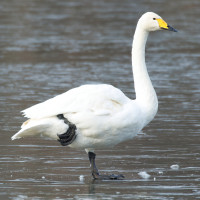
Ganso-grande-de-testa-branca and Ganso-de-faces-brancas rest here by the thousands in late winter, furthermore Piadeira, Arrabio and Pato-trombeteiro in spring by the hundreds. The breeding birds include Grou-comum, Marreco, Abibe-comum, Perna-vermelha-comum, Felosa-dos-juncos and Pisco-de-peito-azul. Limikoles like Combatente and Maçarico-bastardo regularly rest on the spring migration. Garça-branca-grande, Cegonha-preta, Águia-rabalva, Tartaranhão-ruivo-dos-pauis and falcão-peregrino regularly use the area for foraging. In winter, nordic Geese like Tundra Bean Goose and Ganso-grande-de-testa-branca can be seen, as well as Cisne-bravo, Tartaranhão-azulado, Búteo-calçado, Esmerilhão, Picanço-grande and Pintarroxo-de-bico-amarelo.
Detalhes
Acesso
You can explore the area from Gülpe in the northwest, from Wolsier in the north or from Parey in the south. There is a bus stop in Wolsier.
The route shown in the map consists of paved roads (the infamous “Plattenwege” of the former GDR), only the last section in front of the hut is a grassy path. From the birdwatching hide you have the best overview of the area.
Terreno e Habitat
Terras húmidas , Planice , Campina , Árvores e arbustos dispersos , AgriculturaCondições
Plano , Paisagem aberta , Possível na maré cheia , Pantanoso , Sem sombraCaminho circular
Nãoé útil um telescópio?
SimBoa temporada de observação de aves
Inverno , Primavera , OutonoMelhor hora para visitar
Migração da primavera , Migração de outono , Inverno , PrimaveraRota
Estrada pavimentada , Caminho estreitoCaminho dificil
FácilAcessível por
Pé , BicicletaAbrigo/plataforma deobservação de aves
SimInformação extra
Important: the part of the route between Wolsier and Parey is closed to vehicles between March 15th and May 20th!




 ) para inserir nomes de aves no seu idioma. Os nomes das aves serão traduzidos automaticamente para outros utilizadores!