Descrição
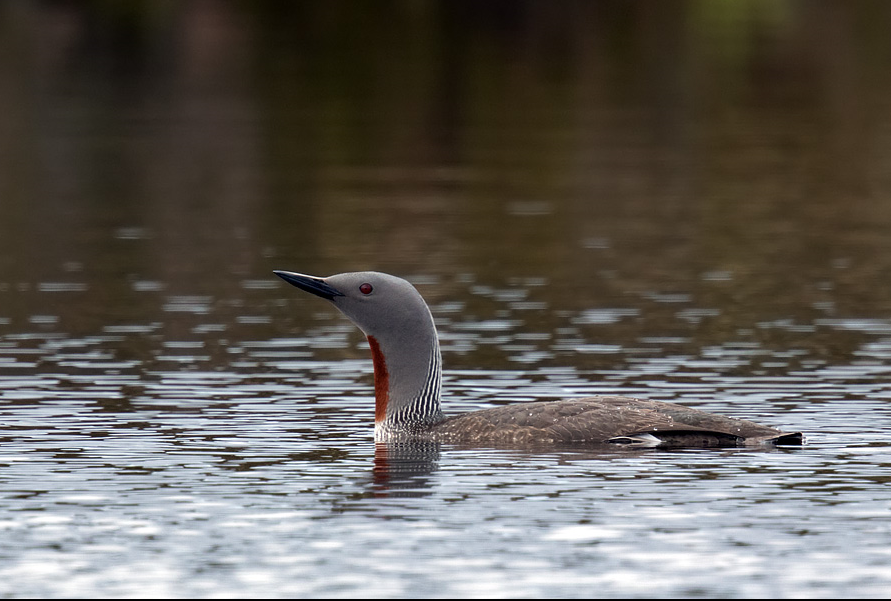
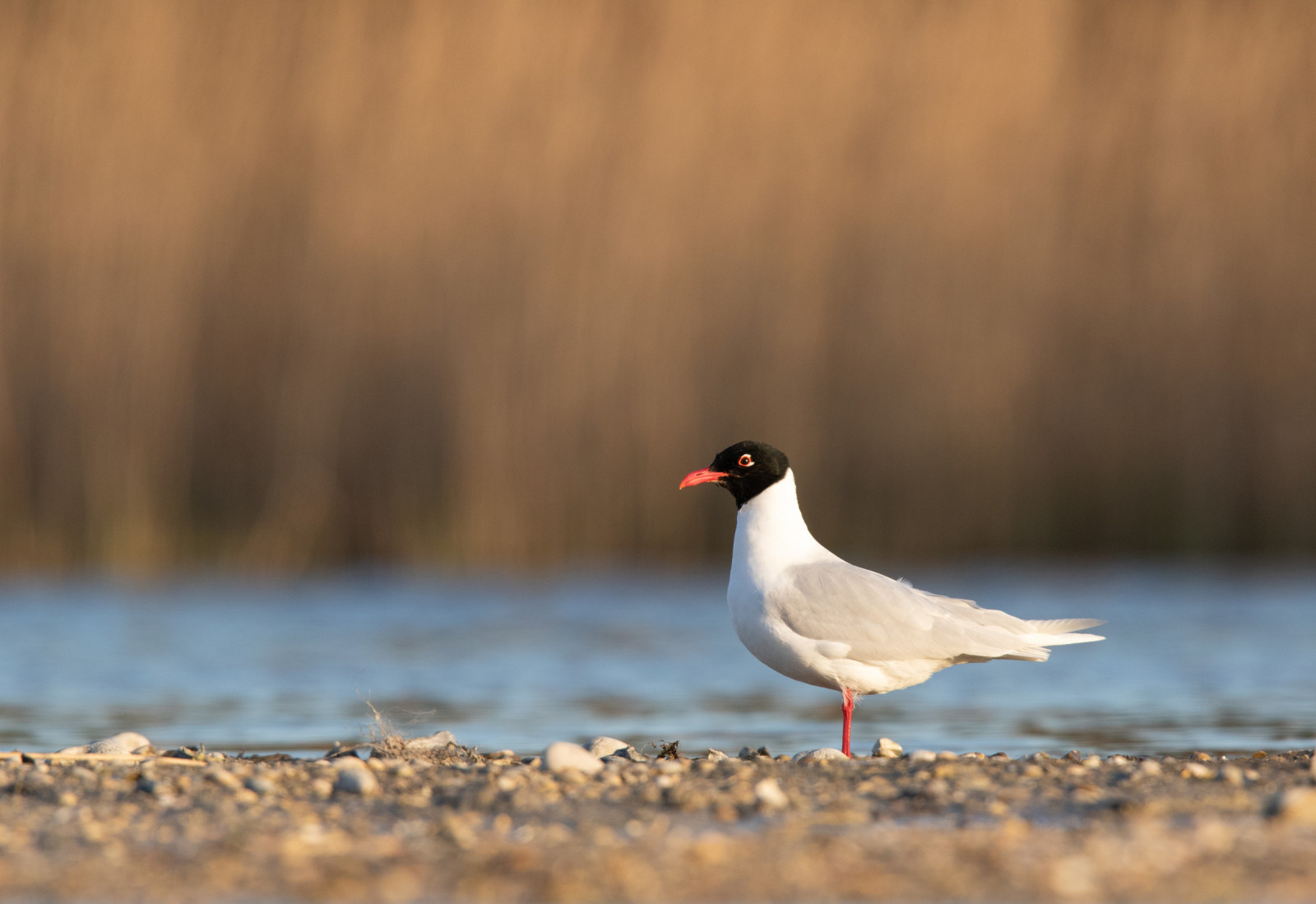
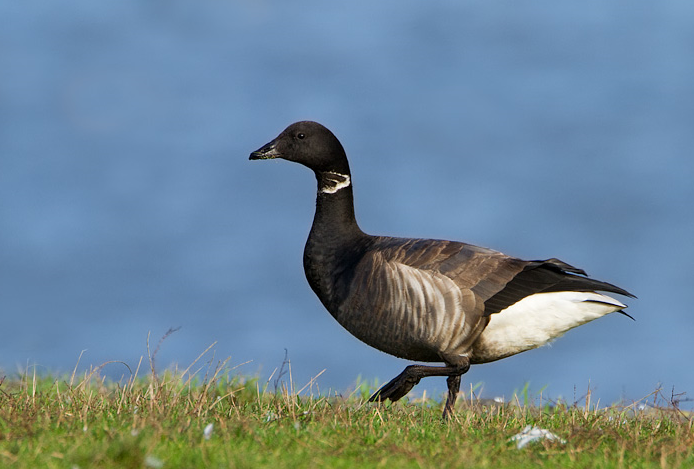
The coast of Mortefoin is an interesting area for observing coastal, pelagic birds and migrating birds. A large group of Pato-preto (about a hundred) spend the winter near these coasts. The Mobêlha-pequena and Mobêlha-grande are also regular, but often quite far away. Closer, the Mergulhão-de-crista will most likely be there. A few migrating Ganso-patola pass through this area every year, sometimes very close to the coast during strong winds from the northwest. Gulls are also present, sometimes in very large numbers. In particular, it is possible to observe Guincho-comum, Gaivota-de-cabeça-preta, Gaivota-parda, Gaivota-argêntea, Gaivota-de-patas-amarelas, gaivota-da-asa-escura and Alcatraz-comum. The Andorinha-do-mar-anã and Garajau-comum can sometimes be seen. A few groups of Ganso-de-faces-negras and Corvo-marinho-de-faces-brancas pass throughout the day, leaving for Baie de l'Aiguillon in the morning, then returning to the dormitories on Ile de Rè in the evening.
During migration, many small passerines pass through this place, along the coast or visiting the nearby fields. Thus, the Tentilhão-comum, Tentilhão-montês, Pintarroxo-comum, Lugre and Trigueirão are present, especially at dawn, you can also see , Cotovia-pequena and if you are lucky Escrevedeira-das-neves.
_________________________
Français: Un chemin longeant une côte constituée de falaises abruptes, surplombées par des cultures et des friches. Le littoral de Mortefoin est une zone intéressante pour l'observation des oiseaux côtiers et pélagiques, mais aussi des migrateur en transit.
Un grand groupe de Pato-preto (une centaine environ) passe l'hiver près de ces côtes. Les Mobêlha-pequena et Mobêlha-grande sont aussi réguliers, mais souvent assez loin. Plus proches, les Mergulhão-de-crista seront très probablement au rendez vous. Quelques Ganso-patola en migration passent chaque année dans cette zone, parfois très près des côtes lors de vents forts venant du Nord-Ouest. Les Laridés sont aussi présents, parfois en très grand nombre. Il est notamment possible d'observer les Guincho-comum , Gaivota-de-cabeça-preta , Gaivota-parda , Gaivota-argêntea , Gaivota-de-patas-amarelas , gaivota-da-asa-escura et Alcatraz-comum . Les Andorinha-do-mar-anã et Garajau-comum sont parfois au rendez-vous. Quelques groupes de Ganso-de-faces-negras et de Corvo-marinho-de-faces-brancas passent tout au long de la journée, partant vers la Baie de l'Aiguillon le matin, puis regagnant les dortoirs de l'île de Rè le soir.
En période de migration, de nombreux petits passereaux passent par cet endroit, en longeant la côte ou faisant alte dans les cultures proches. Ainsi, les Tentilhão-comum , Tentilhão-montês , Pintarroxo-comum , Lugre et Trigueirão sont bien présents, notamment au levé du jour, mais ce sont aussi des Laverca , Cotovia-pequena et, plus rarement, Escrevedeira-das-neves qui passent en migration.
Detalhes
Acesso
It is possible to park in the parking lot of the port of Lauzière.
_________________________
Français: Il est possible de se garer sur le parking du port de Lauzière.
Terreno e Habitat
Desfiladeiro/precipício , Praia , Cidade/Vila , Mar , Planalto , Campina , Árvores e arbustos dispersos , Planice , AgriculturaCondições
Plano , Sem sombra , Paisagem aberta , SecoCaminho circular
Simé útil um telescópio?
SimBoa temporada de observação de aves
Outono , InvernoMelhor hora para visitar
Migração de outono , InvernoRota
Caminho largo , Estrada pavimentadaCaminho dificil
FácilAcessível por
Pé , BicicletaAbrigo/plataforma deobservação de aves
NãoInformação extra
I advise you to install yourself at daybreak, between September and November for migrating passerines, or between December and February for pelagic birds, with your telescope, on the orientation table, built on a bunker. From here you will have a view of the ocean to observe the Grebes, Scoters and Loons, but also a view of the fields on the other side, in which the migrants take a break after crossing the Bay.
_________________________
Français: Je vous conseillé de vous installer au lever du jour, entre Septembre et Novembre pour les passereaux migrateurs, ou entre Décembre et Février pour les oiseaux pelagiques, avec votre longue vue, sur la table d'orientation, ce construite sur un bunker. D'ici, vous aurez une vue sur l'océan pour observer les Grèbes, Macreuses et Plongeons, mais aussi une vue sur les champs de l'autre côté, dans lesquels les migrateur prennent une pause après avoir traversé la Baie.



 ) para inserir nomes de aves no seu idioma. Os nomes das aves serão traduzidos automaticamente para outros utilizadores!