Descrição
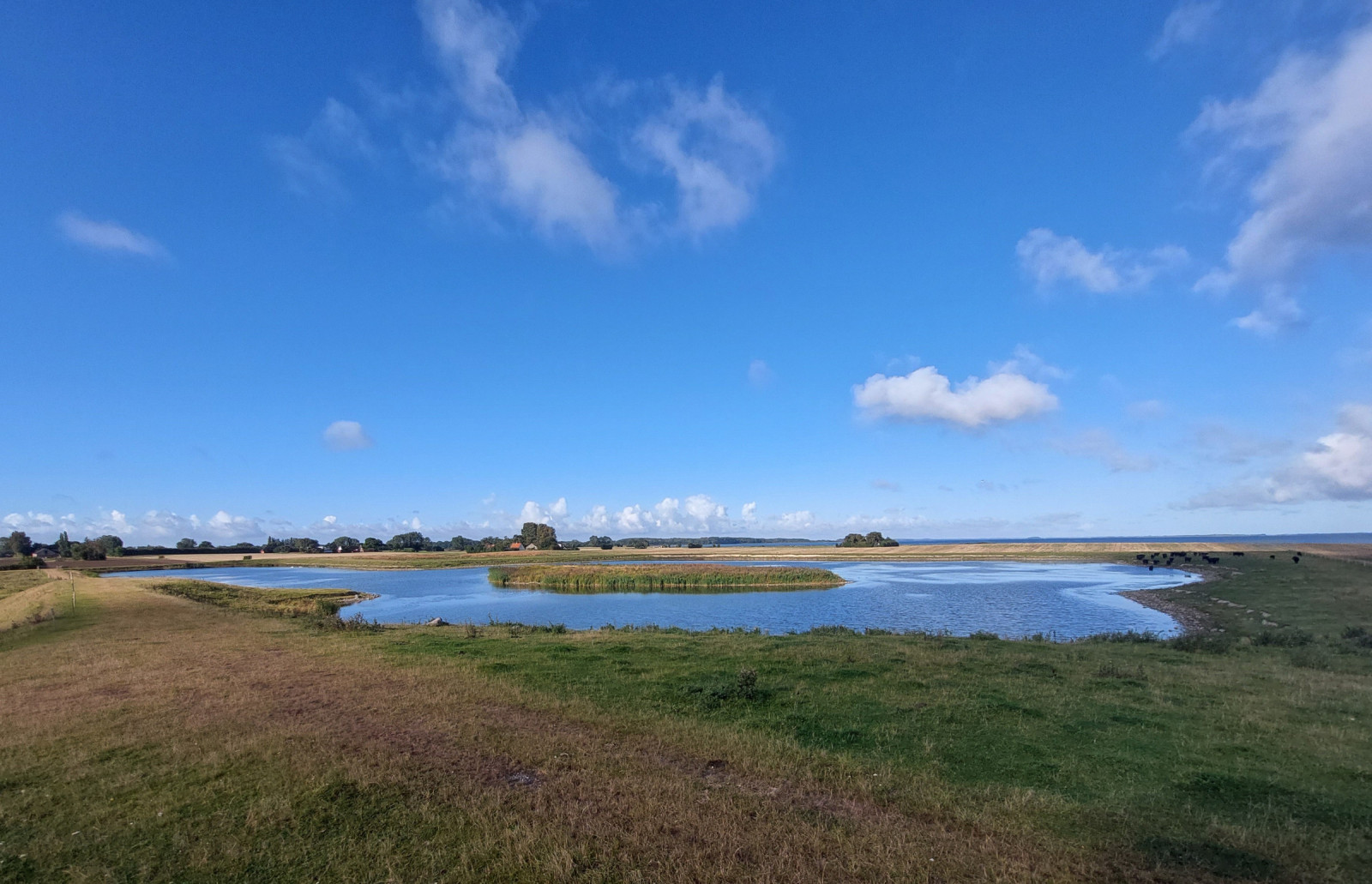
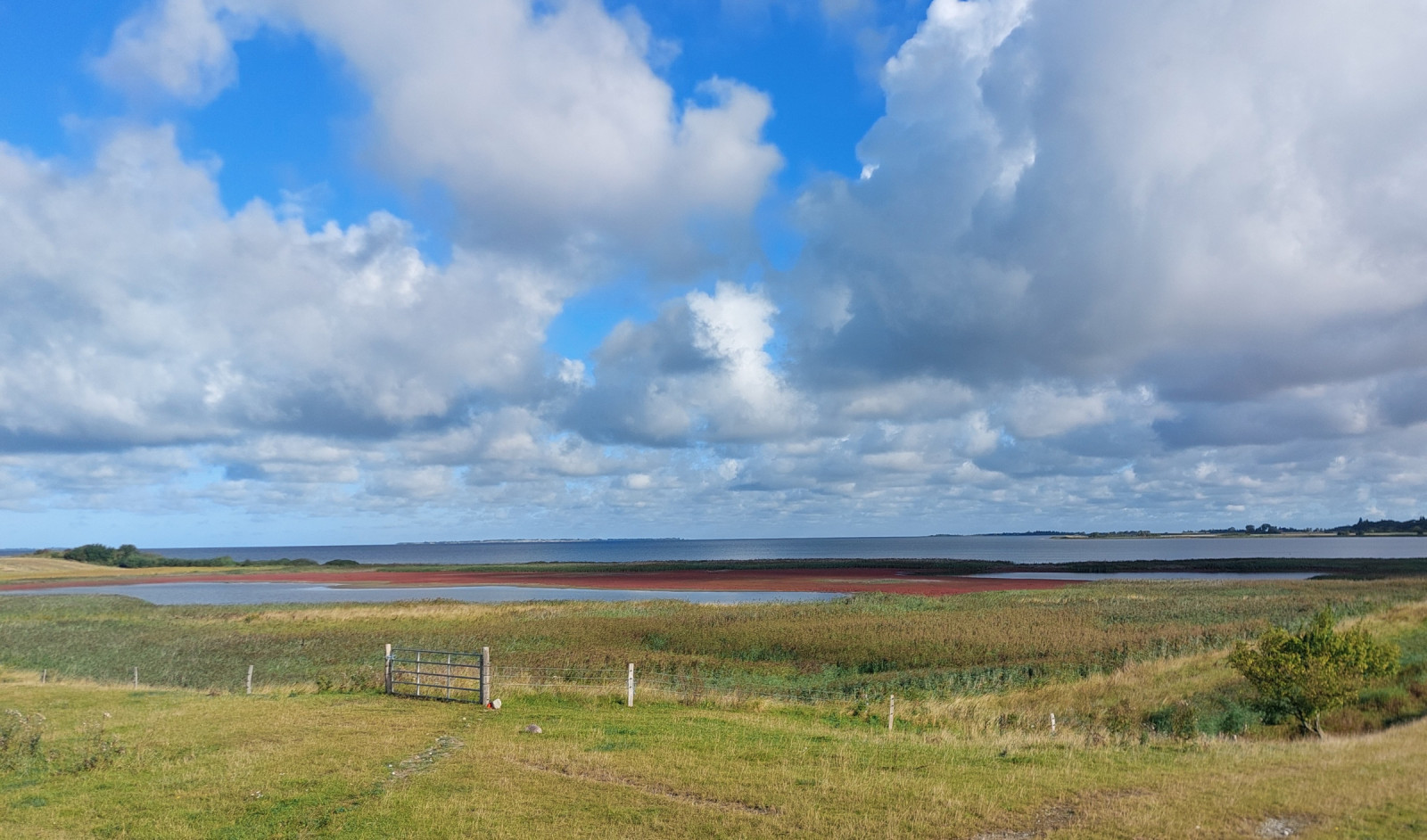
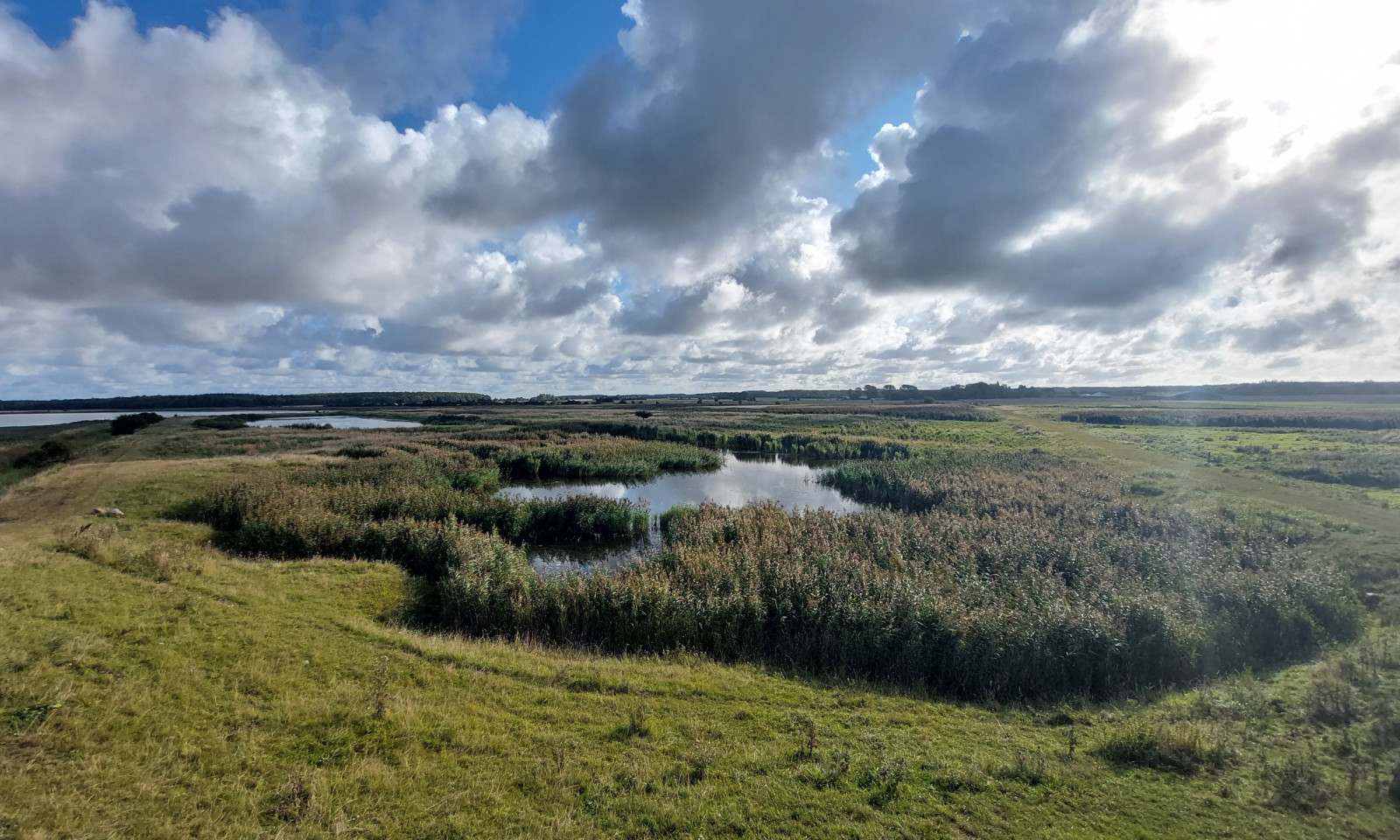
Kalløgrå was used to deposit sludge from the sugar factory in Sakskøbing for a period of 10 years. In 2003 around 30ha of the area was taken over by the Aage V. Jensen Fund and a thorough re-establishment project was carried out, so that the area is now a wetland with lakes, wet and dry meadows - some of which are grazed - and remains of embankments.
Several wader species breed at Kalløgrå, for example Abibe-comum, Perna-vermelha-comum and Ostraceiro. A fair-sized colony of Alfaiate and a small colony of Guincho-comum can be seen on the islet in the lake. Gaivota-parda, Andorinha-do-mar-árctica and Andorinha-do-mar-comum nest here, too. There are also a few pairs of Mergulhão-pequeno and several pairs of Mergulhão-de-pescoço-ruivo. Tartaranhão-ruivo-dos-pauis nest in the reedbeds. The area is a good stop-over site for many species of ducks and waders during migration. In autumn, large numbers of Tarambola-dourada, Pilrito-comum, Maçarico-real and smaller numbers of Tarambola-cinzenta, Pilrito-pequeno, Pilrito-de-bico-comprido, Narceja-comum, Perna-vermelha-escuro and Perna-verde-comum stop over here.
Detalhes
Acesso
From the main 153 road between Sakskøbing and Guldborg, drive north to Kallø. Drive into the village and then north along Kalløgråvej, which becomes a gravel road. By continuing along this road one reaches a sheep fence, where one can park. From here there is access to a bird observation tower, from which there is a splended view over the area. Walking or cycling inside the fences is permitted, but please keep to the paths in order not to disturb the staging and breeding birds.
Terreno e Habitat
Terras húmidas , Mar , CampinaCondições
Paisagem abertaCaminho circular
Nãoé útil um telescópio?
SimBoa temporada de observação de aves
Durante todo o anoMelhor hora para visitar
Migração da primavera , Migração de outonoRota
Caminho largoCaminho dificil
FácilAcessível por
PéAbrigo/plataforma deobservação de aves
SimInformação extra
Note: If the sea level is normal or low, Kalløgrå is full of life, but it is almost empty at high sea level. So check the tides table. See the link below.


 ) para inserir nomes de aves no seu idioma. Os nomes das aves serão traduzidos automaticamente para outros utilizadores!