

Descrição
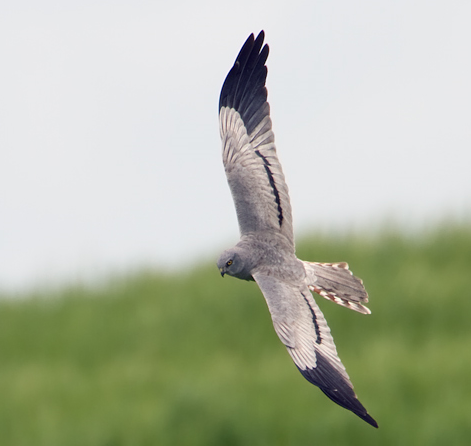
The plains of Westliches Weinviertel are famous for Abetarda-comum. The area is inhabited by several species of high conservation concern, like Abetarda-comum, Falcão-sacre, Águia-imperial-oriental or Tartaranhão-caçador, which are dependent on the rather undisturbed, open agricultural landscape. Furthermore, it is an important wintering area for Búteo-calçado, Tartaranhão-azulado, Coruja-do-nabal and Picanço-grande. On migration, big flocks of Abibe-comum and Tarambola-dourada can be seen, but several rarities have also been found here already. For example Borrelho-ruivo, Búteo-mouro, Águia-pomarina, Tartaranhão-de-peito-branco, Escrevedeira-das-neves, Escrevedeira de Gmelin.
By far the best observation place is the church hill of Wartberg, which is like a well-structured island in the middle of the agricultural steppe and where you have an excellent view of nearly the whole area. Birds on the plains are quite far away, but you can easily locate them with a spotting scope - because of the elevated point of view - and approach them safely on a public road afterwards. So you can also avoid getting too near to the birds and disturbing them (which happens extremly easily in the flat landscape). Furthermore, the spot is also very rewarding to scan for birds of prey and migrants flying over, but also migrant songbirds roosting in the bushy vegetation and dry grasslands around the church. During the breeding season, you'll maybe see Poupa here and in the evening or early morning you might hear or see the local Mocho-galego. It is also one of the most reliable spots to see Perdiz-cinzenta in the region.
Another nice spot (especially in morning light) to get a good overview is the observation tower in the east near Roseldorf. You can see Mocho-galego and Pica-pau-sírio there, but you will also need a scope to observe Abetarda-comum and eagles from there.
Important notice: As it is a huge area and acess to the open plain is restricted due to conservation concerns, you will definitely need a spotting scope to get in touch with the birds. Please bear in mind that approaching the protected species is a punishable offence according to the Lower Austrian hunting law and that the local gamekeepers will not hesitate to intervene if animals are disturbed by observers. Hold on to the information in the map in order explore the area responsibly. Entering the dirt tracks within the breeding season (March to August) is forbidden. Nevertheless, you should not approach Abetarda-comum year-round, as they are very susceptible to disturbance. You'll get the highest chances to watch them from a reasonable distance, if you stay on the bigger roads, which are quite busy and not seen as a threat by the Abetarda-comum. Avoid stopping and never leave the car, if you think you are too near to the Abetarda-comum! The local population is declining at the moment and should not face any unnecessary disturbance.
Detalhes
Acesso
There is a network of public streets in the area, which should be used for observation. You can stop at the dirt tracks entries but do not use them to enter the agricultural landscape, as this will disturb the wildlife and you will flush the birds. Also do not obstruct access to the dirt tracks if you leave your car there for longer. There are a few spots (see map) which are most suitable to park and observe from there.
Terreno e Habitat
Campina , Planalto , Agricultura , Árvores e arbustos dispersosCondições
Plano , Poeirento , Paisagem abertaCaminho circular
Simé útil um telescópio?
SimBoa temporada de observação de aves
Durante todo o anoMelhor hora para visitar
Migração da primavera , Migração de outono , InvernoRota
Estrada pavimentadaCaminho dificil
FácilAcessível por
Carro , PéAbrigo/plataforma deobservação de aves
SimInformação extra
Latest sightings can be seen on Ornitho.at, which is also recommended for submitting your personal sightings. See clickable link below.


 ) para inserir nomes de aves no seu idioma. Os nomes das aves serão traduzidos automaticamente para outros utilizadores!