Descrição
East of Vienna begins the Danube Floodplains National Park, which stretches all the way to the Czech border. Even its northernmost tip - still reminiscent of a city park - is well worth a visit, especially in spring. Over 175 species have already been recorded in the area described here.
The area is dominated by dense riparian forest, mainly of deciduous trees such as birch, with abundant deadwood. As a result, it is a paradise for woodpeckers: there are excellent year-round chances to observe Pica-pau-mediano and Pica-pau-preto. Pica-pau-sírio and Pica-pau-cinzento have also been seen, and there is one record of Pica-pau-de-dorso-branco.
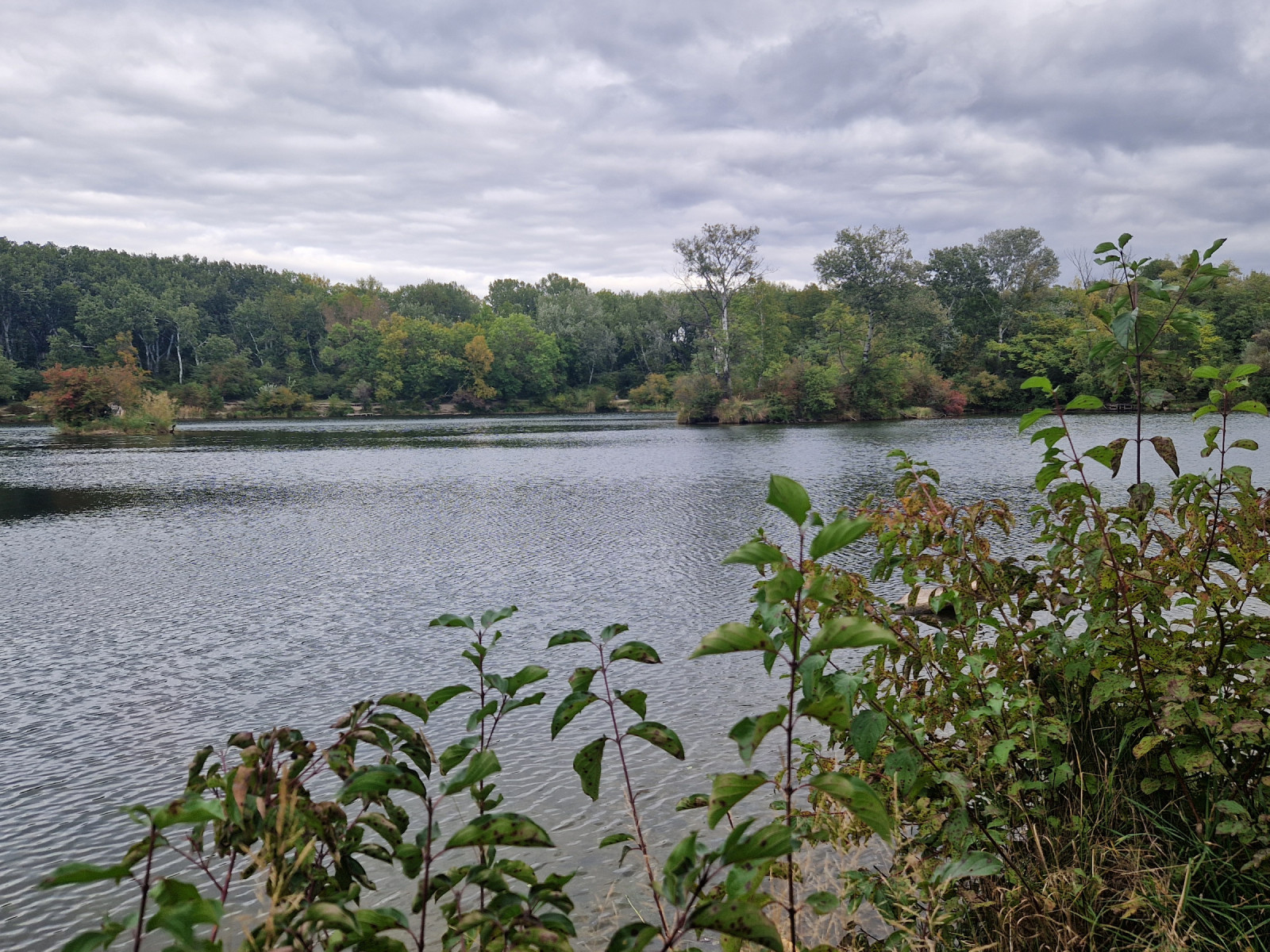
In the middle of the forest lies the Dechantlacke (1). Its shallow edges are suitable for photography, though the waterbody lacks a shoreline, so ducks and geese - apart from the Pato-real - are rarely found here. However, the freestanding trees offer especially good opportunities to observe woodpeckers. Note that this is a natural bathing area where naturism is common during the warmer months.
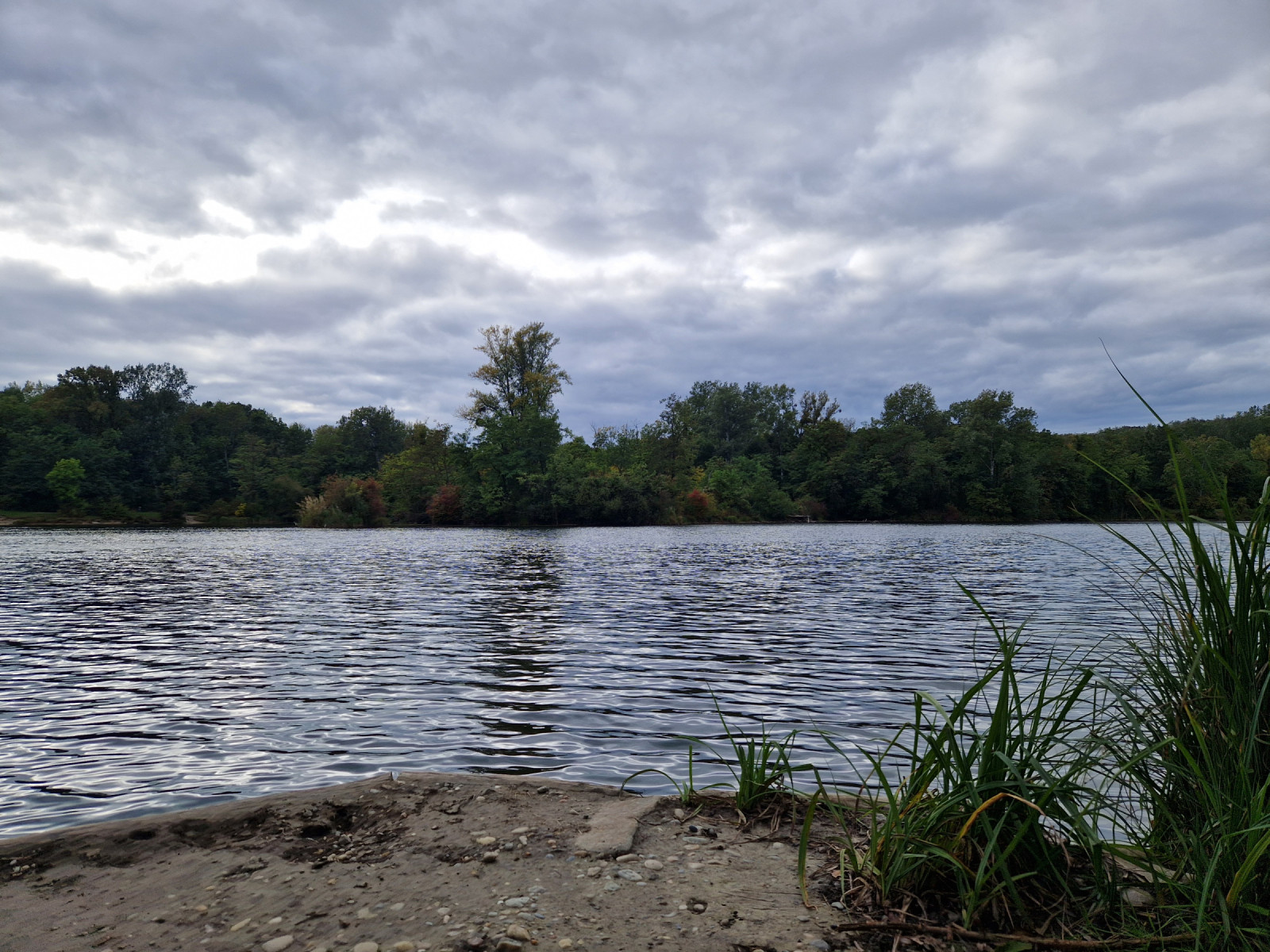
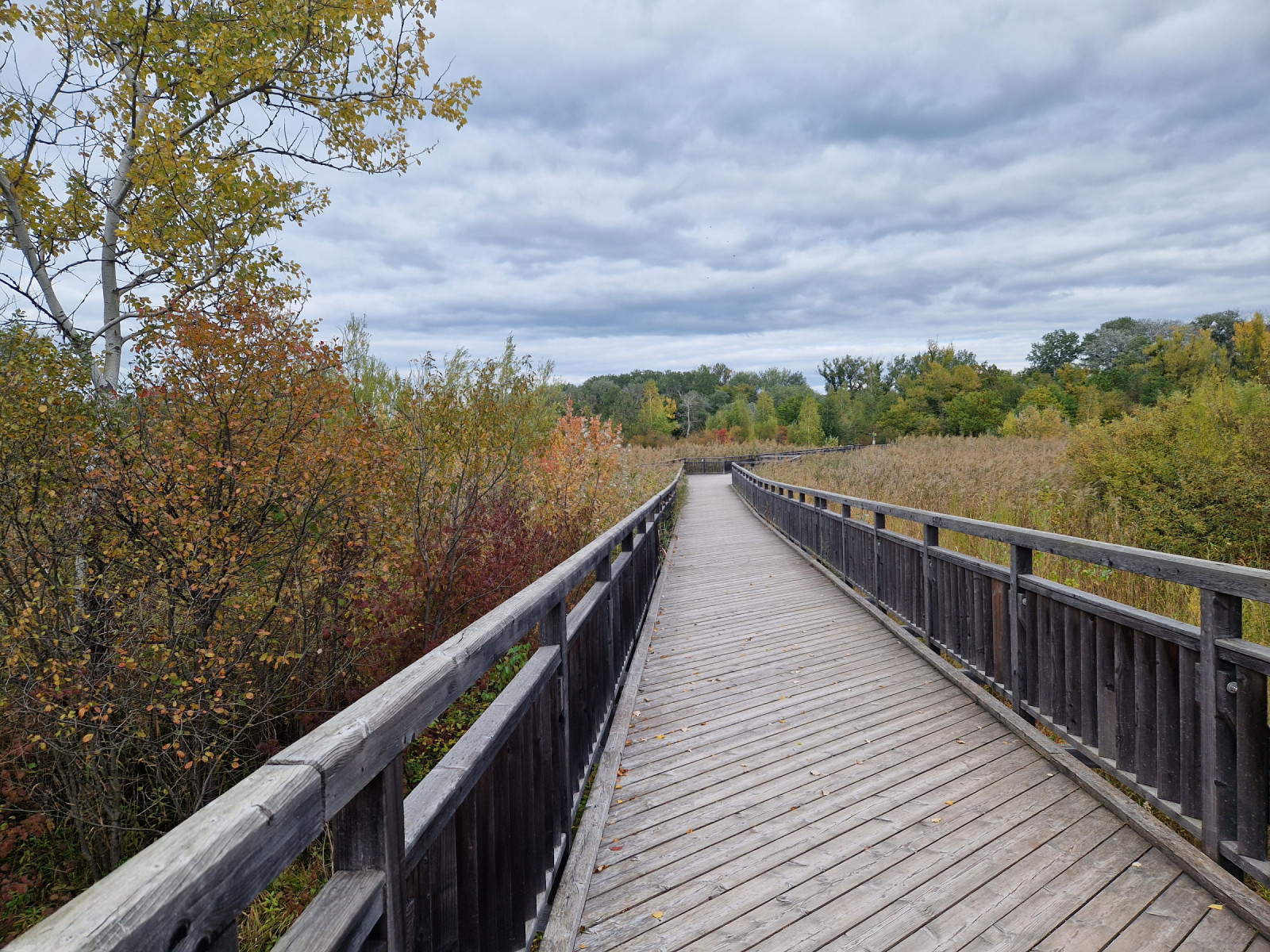
More promising for birdwatching is the Mühlwasser or Tischwasser (2), fringed on its southwestern side by a narrow reed belt. At the Josefsteg, the water merges into a wide reedbed crossed by the footbridge. Chapim-de-faces-pretas, Guarda-rios-comum, Cuco-canoro, and Rouxinol-comum breed here, and there are good chances of seeing Felosa-unicolor, Felosa-dos-juncos, and Rouxinol-grande-dos-caniços. There are also three records of the very rare Felosa-real (two from July and one from September).
Following the path north leads to some dry meadows dotted with shrubs and lined with old trees (3)—ideal conditions for species such as Papa-amoras-comum, Papa-moscas-de-colar, and Ógea.
Several rarities have also been noted in the area: in 2014, a Papa-ratos stayed here, and in winter, Zarro-bastardo, Narceja-galega, and Tagarela-europeu have been recorded.
Detalhes
Acesso
The Lobau - Northern part-area is easily accessible, crossed by many gravel roads, cycling routes, and footpaths. Cyclists can be quite fast, and it should be noted that the Lobau is traditionally popular among naturists, especially in summer. The circular route shown on the map is about 4 km.


 ) para inserir nomes de aves no seu idioma. Os nomes das aves serão traduzidos automaticamente para outros utilizadores!