Opis
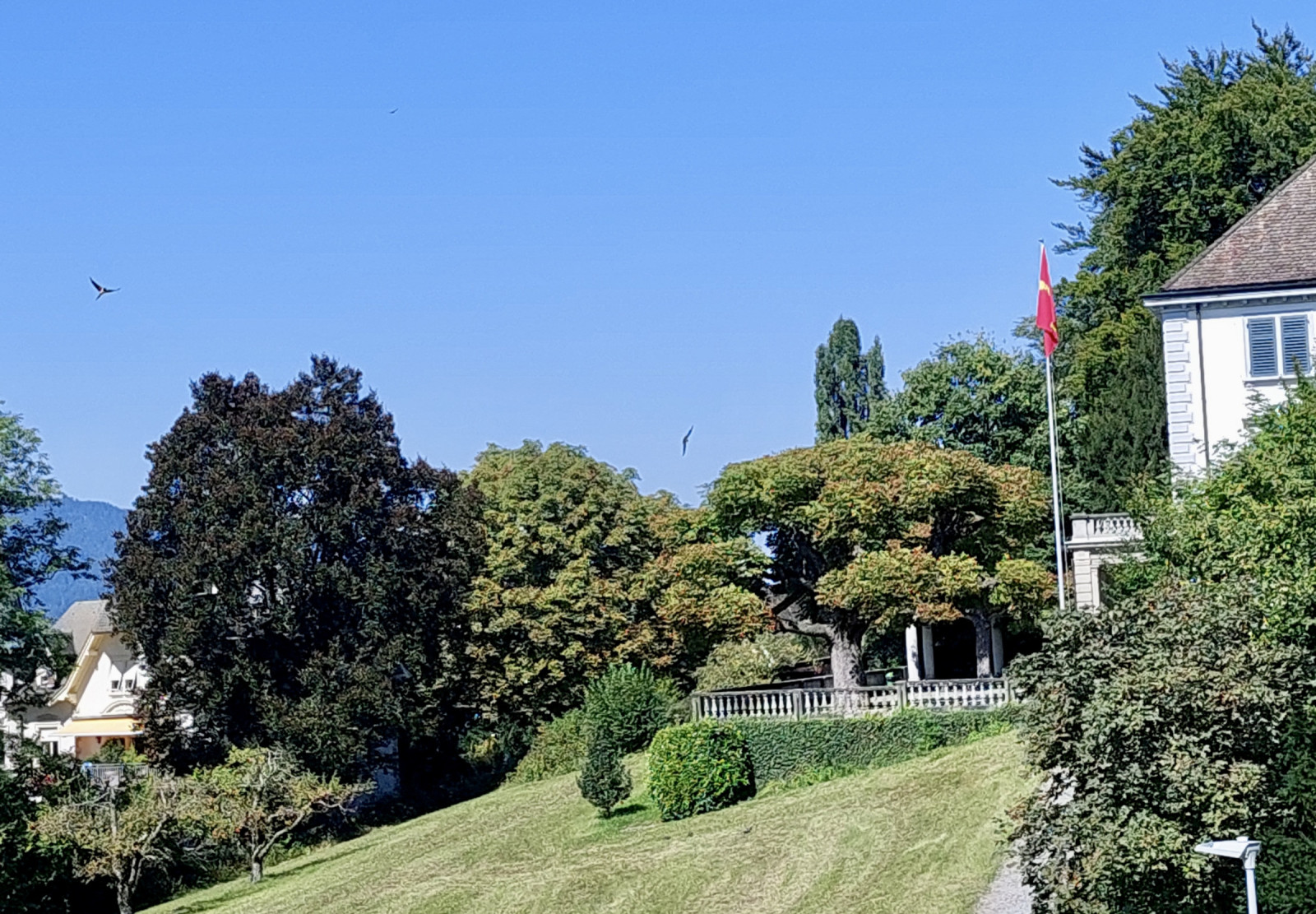
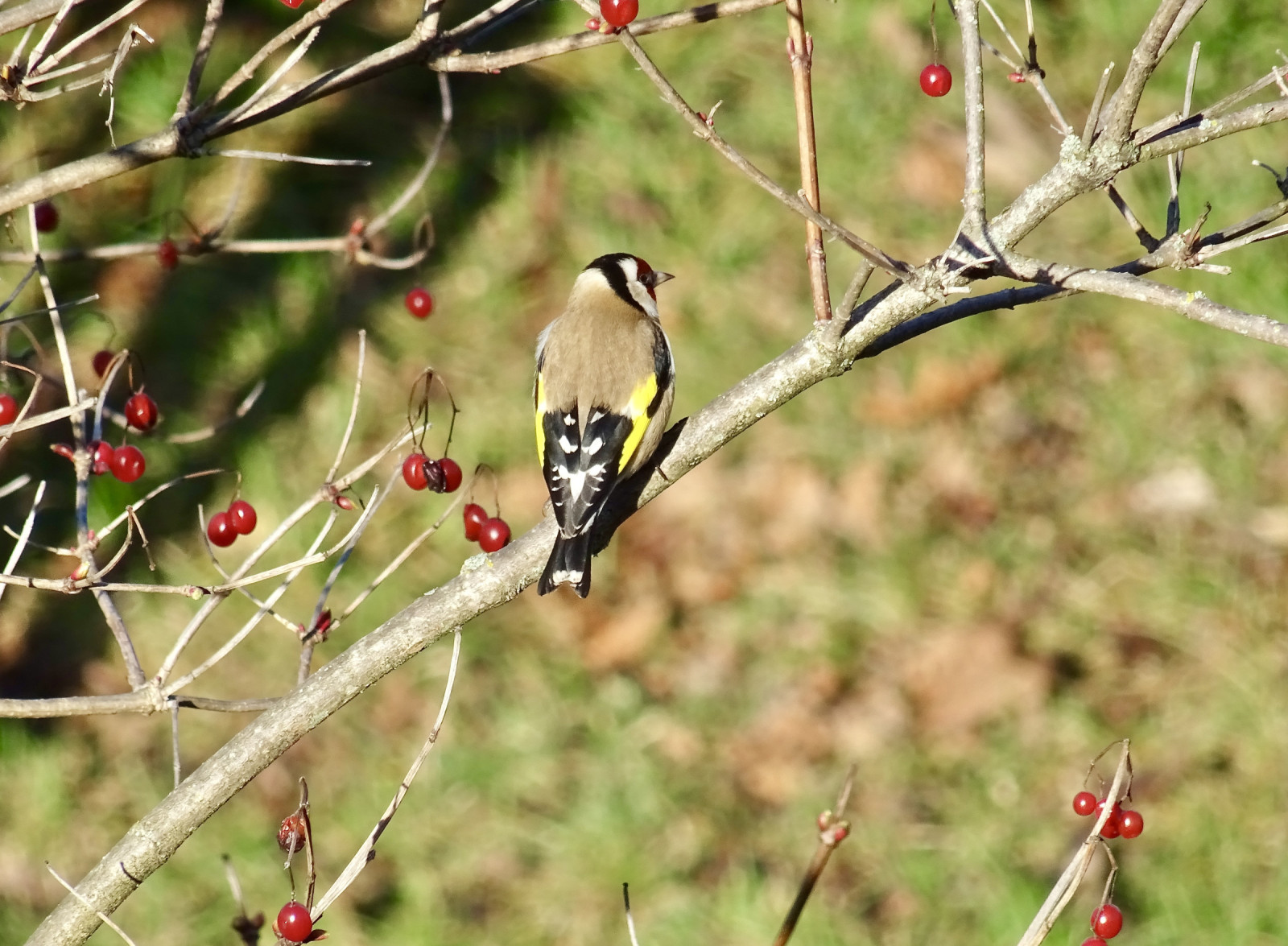
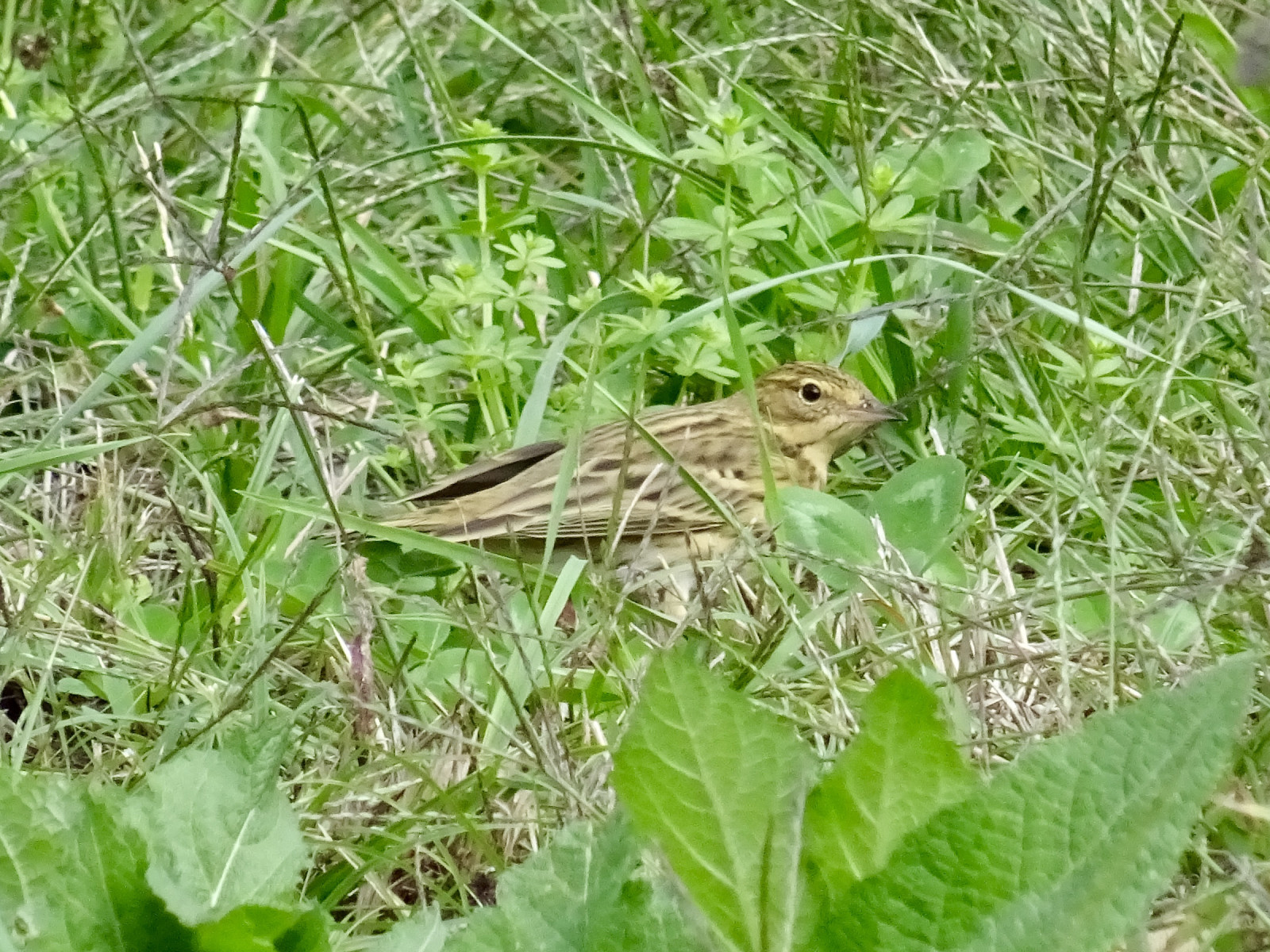
Local and migratory birds benefit from the tall beech, chestnut and other trees - with magnificent specimens over 100 years old. jerzyk , pustułka (zwyczajna) , puszczyk zwyczajny , and many other species raise their young. Also krętogłów, ślepowron , płomykówka (zwyczajna), and gąsiorek have been observed. Here they find a variety of otherwise rare insects, amphibians, reptiles and small mammals , together with plenty of beechnuts, wild berries and seeds. For more species see the list below.
Szczegóły
Dostęp
There is a public car park at Küsnacht railway station (8-minute walk to the park). However, travelling by train (arrival every 15 minutes) or the popular Zürichsee-Dampfschiff (boat) is highly recommended (10-minute walk to the park).
Teren i siedlisko
Las , Rzadkie drzewa i krzewy , Łąka , Staw , ParkWarunki
PagórkowatyTrasa dookoła
TakCzy luneta będzie przydatna ?
Może być przydatnaUdany sezon obserwacyjny
Przez cały rokNajlepszy czas na wizytę
Wiosenne migracjeTrasa
Droga utwardzona , Szeroka ścieżkaPoziom trudności szlaku pieszego
ŁatwyDostępne
PieszoCzatownia/platforma obserwacyjna
NieDodatkowe informacje
The estate, with its historic manor house, built in 1623, and farm building, is located on the former site of a large medieval vineyard (first mention 1246) that was preserved until the 20th century. The last vines were removed in 2018. The stream after which it is named is a lifeline for flora and fauna: it connects the area with the forest near Itschnach and with Lake Zurich. The unique biodiversity of the historic site is currently under threat from a major construction project.




 ) aby wstawić nazwy ptaków w swoim języku ojczystym. Nazwy ptaków zostaną automatycznie przetłumaczone dla innych użytkowników!