
Opis
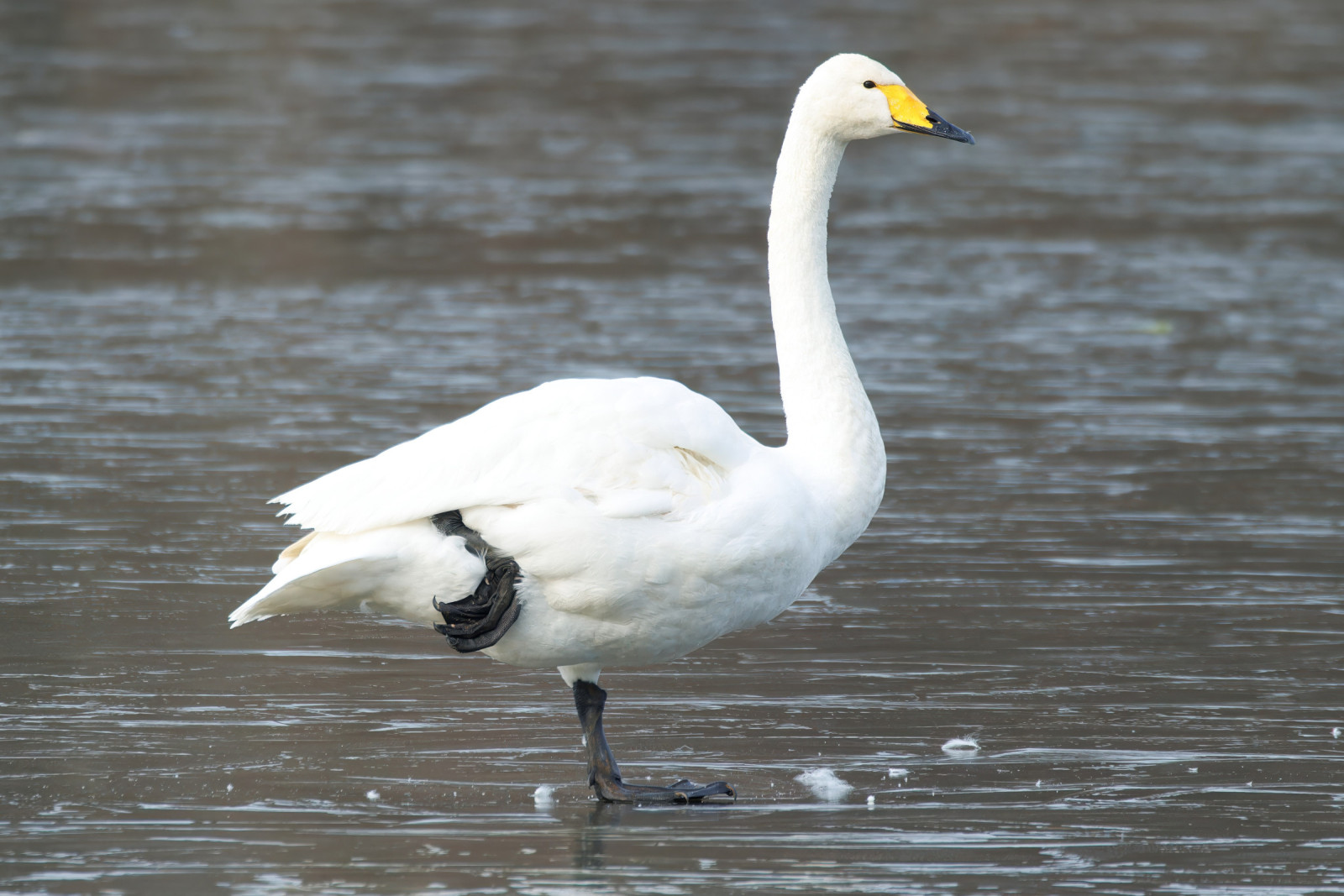
At the Umeälvens delta 295 bird species have been recorded. The delta holds a few rarer wintering birds like: dzięcioł trójpalczasty, łuskowiec, krzyżodziób modrzewiowy, dzięcioł zielonosiwy, and czeczotka tundrowa. During each spring around 6000 łabędź krzykliwy stay at the delta. Around one thousand krzyżówka, cyraneczka, and świstun use the area as feeding grounds during the spring. Also hundreds of rożeniec, gągoł, nurogęś and czernica. Ducks who are rarely seen in Northern Sweden like cyranka, ohar, krakwa, głowienka, and ogorzałka can often be seen.
Large amounts of wader use the delta as feeding grounds. Most common are batalion, biegus zmienny, siewka złota, kulik wielki, czajka and łęczak. Also rare waders like sieweczka rzeczna, płatkonóg szydłodzioby, rycyk, mornel, szlamnik and biegus płaskodzioby. trznadel czubaty is regularly seen. błotniak stawowy and ortolan breed.
During spring the fields close to the delta are fillled with geese, passerine birds and waders. Some of the rarer birds often seen are poświerka, makolągwa, świergotek rdzawogardły and sierpówka. During atumn the coastal meadows are once again filled with wading birds migrationg south. During autumn more arctic waders are seen, while less of the southern species are seen.
Szczegóły
Dostęp
In several places in the nature reserve there are bird towers and other facilities for bird watching. See the map below. Click on a P in the map to get directions to that point. To protect nesting birds, you are not allowed to walk off marked trails between April 1 and August 15. Ramps, bird towers, hides and platforms may be used during this time.
A suspension bridge suitable for both wheelchair users and strollers makes Stora Tuvan accessible from the parking lot (see the map). On the island, an accessible ramp through lush deciduous forest goes out to the bird tower. The ramp is also available for the visually impaired. There is a hide at the far end of the headland.




 ) aby wstawić nazwy ptaków w swoim języku ojczystym. Nazwy ptaków zostaną automatycznie przetłumaczone dla innych użytkowników!