
Opis
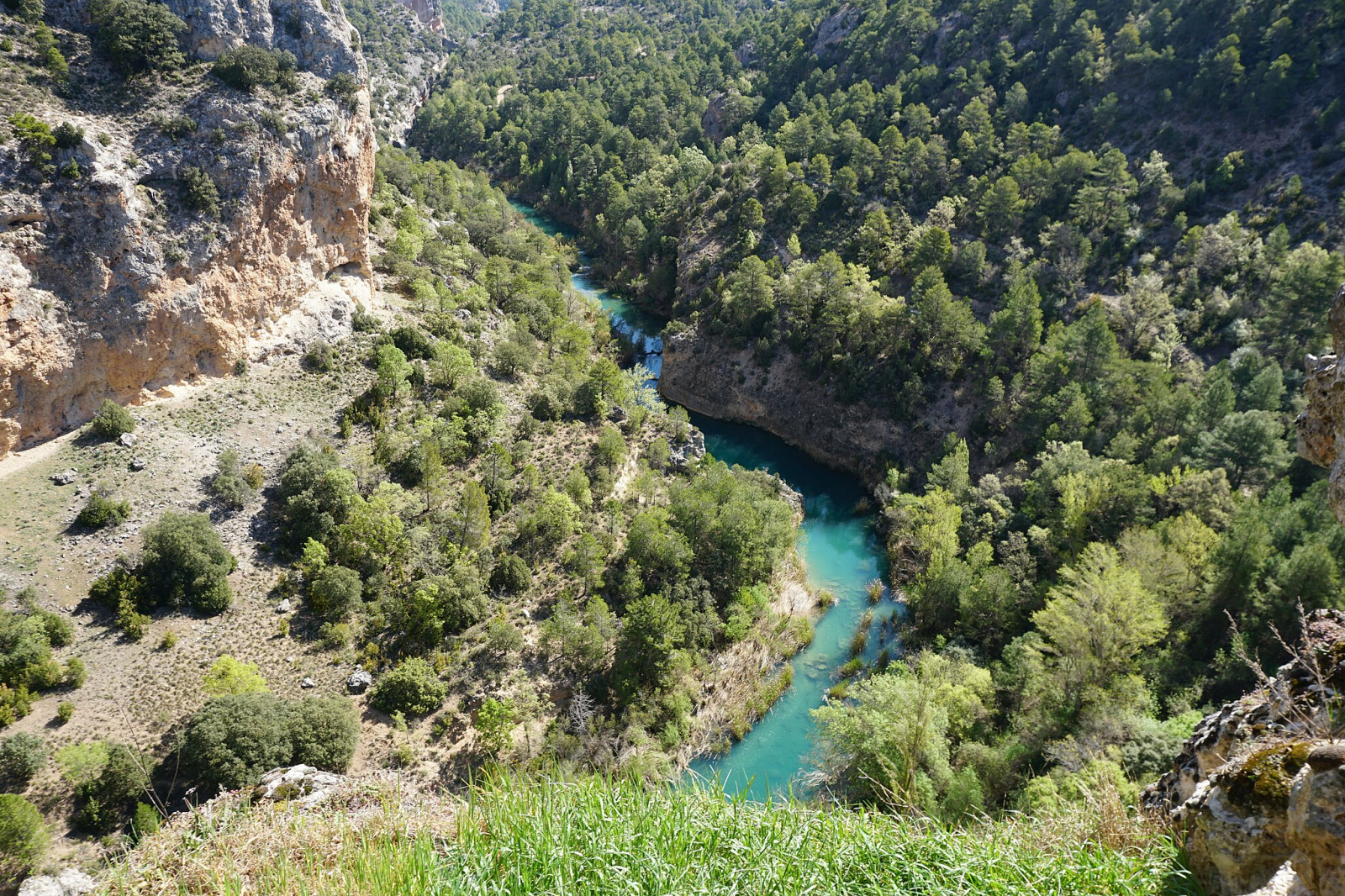
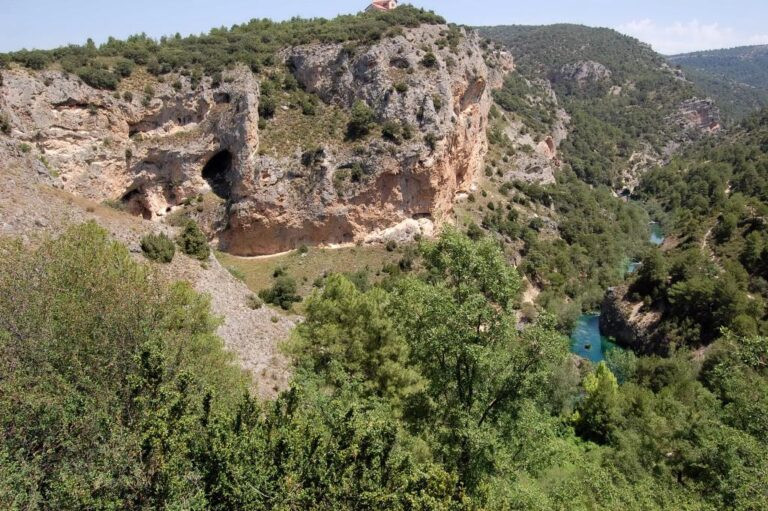
The Ventano del Diablo offers spectacular vistas over the Júcar Canyon. The canyon houses the largest breeding colony of sęp płowy in Castilla-La Mancha. You can see the vultures directly from the viewpoint. You can also walk the path that runs along the river bank, and spend hours enjoying the songs of the birds.
_________________________
Espagnol: Mirador que da entrada a un extenso cañón por el que discurre el río Júcar. Alberga la colonia reproductora de buitre leonado más numerosa de Castilla -La Mancha, con más de parejas reproductoras. Puede avistarse directamente desde el mirador, recorrer la senda que discurre por la orilla del río, e incluso dejarse llevar y pasar grandes horas disfrutando del canto de las aves.
Szczegóły
Dostęp
Ventano del Diablo is reached from the parking lot of the viewpoint itself. Click on the P in the map for directions. On the right side of it, looking upstream, it gives access to the beginning of the unmarked path that goes down to the river and runs along a small stretch of it.
_________________________
Espagnol: Se llega desde el aparcamiento del propio mirador, y en la parte derecha del mismo, mirando aguas arriba da acceso al inicio de la senda no señalizada que baja hasta el río y recorre un pequeño tramo de este.
Teren i siedlisko
Las , Kanion/klif , RzekaWarunki
GórzystyTrasa dookoła
NieCzy luneta będzie przydatna ?
Może być przydatnaUdany sezon obserwacyjny
Przez cały rokNajlepszy czas na wizytę
Lato , Zima , Wiosna , JesieńTrasa
Droga utwardzona , Wąski szlakPoziom trudności szlaku pieszego
ŁatwyDostępne
Samochód , Pieszo , RowerCzatownia/platforma obserwacyjna
NieDodatkowe informacje
In addition to sęp płowy, also ścierwnik, sokół wędrowny, wronczyk, jaskólka skalna and numerous species of mountain pine forest birds will make the time fly by. To spot ścierwnik, the ideal time is in summer, and if you want to see the vultures perched on the cliff, the ideal time is early morning in winter, when they have not yet taken off.
_________________________
Espagnol: Además de buitres, el alimoche, el halcón peregrino, chovas, aviones y numerosas especies de pinar de montaña harán que el tiempo pase "volando". Para el avistamiento del alimoche lo ideal es en verano, y si queremos ver los buitres posados en el cortado lo ideal es el inicio de la mañana en invierno, cuando aún no han despegado.


 ) aby wstawić nazwy ptaków w swoim języku ojczystym. Nazwy ptaków zostaną automatycznie przetłumaczone dla innych użytkowników!