
Opis
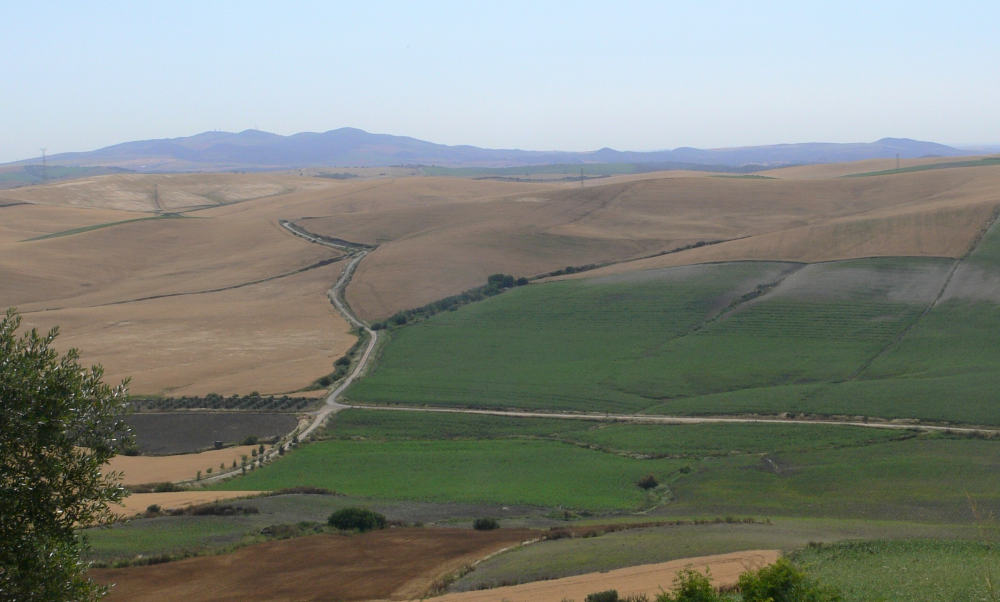
Access to the lagunas takes you across several kilometres of a mixture of farmland and scrub where góropatwa czerwona, dzierlatka (zwyczajna), kalandra szara and other small passerines abound. This, in turn, attracts birds of prey such as orzełek, gadożer and błotniak łąkowy in summer and during passage/winter błotniak zbożowy, juvenile orzelek poludniowy and occasionally orzel iberyjski.
After c5km from Espera you reach the first laguna - Laguna Hondilla - which is viewable from the track. This laguna, though, is choked with willow scrub and of the three the least productive laguna for birds although it usually holds the odd sterniczka and has had lyska czubata . Roughly 500m further on the largest laguna - Laguna Salada de la Zorrilla - comes into view on the left (as you come from Espera). A footpath takes you along the edge of the laguna but viewing is difficult thanks to a screen of bushes and reeds. A hide on the left after c300m gives a better view but you need a telescope and bushes and trees still obscure the view. Look here for hełmiatka, sterniczka , zausznik, modrzyk and flaming różowy. marmurka also occurs. łyska are common but picking out its rarer relative here is very tricky as views tend to be distant. rybołów can be seen particularly as the local population (breeding & wintering) continues to expand. The reeds and scrub are home to a variety of warblers: trzcinniczek (zwyczajny) , trzciniak, zaganiacz szczebiotliwy , pokrzewka aksamitna, cierniówka and chwastówka zwyczajna.
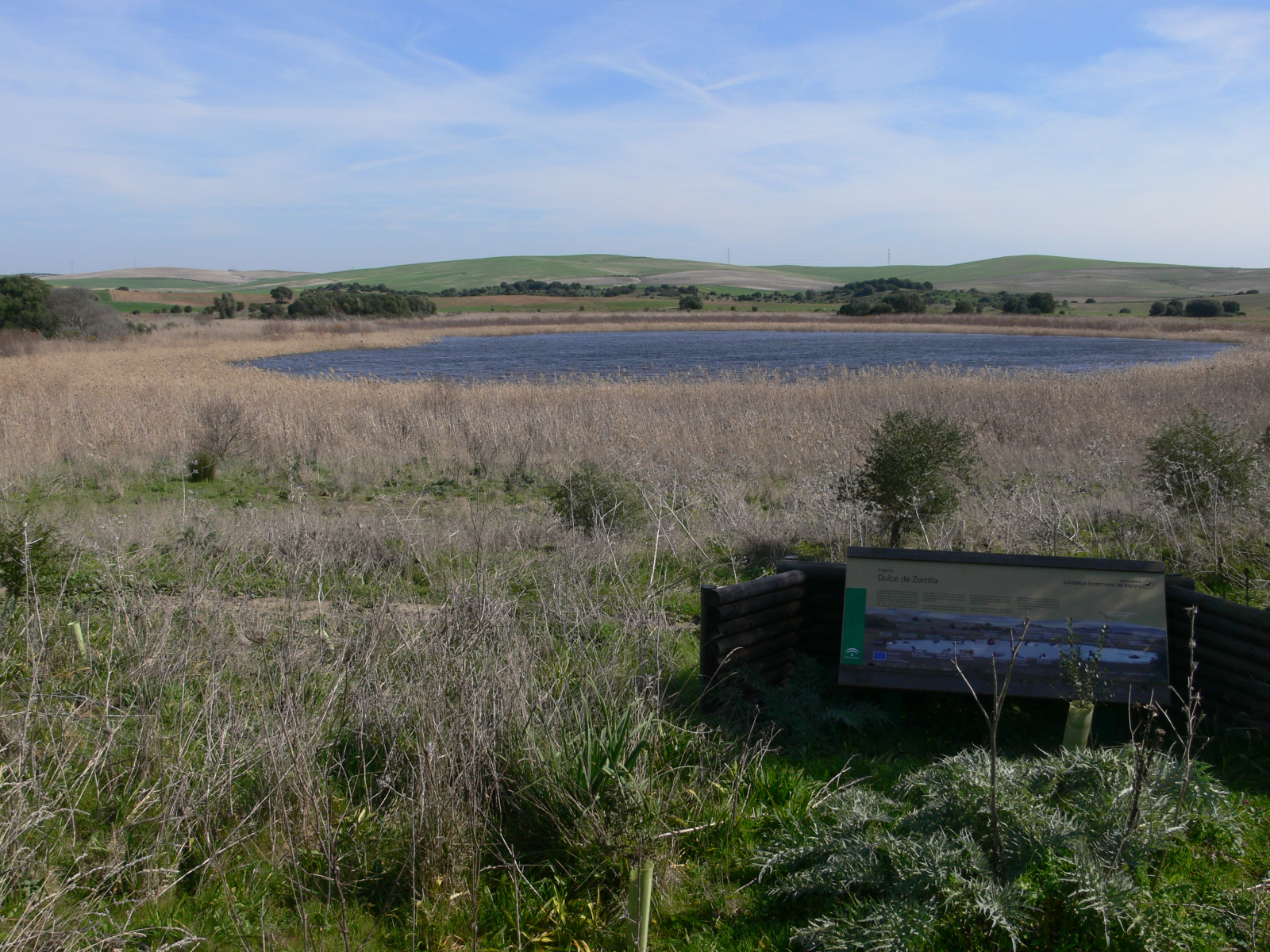
A further c1km along the path takes you to the last laguna - Laguna Dulce de la Zorrilla - which holds all the previously mentioned species but tends to be the best for lyska czubata. Once again viewing can be difficult as it is well screened by tall reads and scrub. kulon (zwyczajny) can also be found in the area.
Returning to the main track either go back along the track to Espera or continue along the track (which is usually in slightly better condition than the setion from Espera) for c4 km to a minor road (SE 6201). The latter option gives you a good chance of seeing wróbel sródziemnomorski and an outside one of kaniuk. It also allows you to check a second less well known site, Lagunas de Lebrija.
Szczegóły
Dostęp
The route from Espera is signposted from a roundabout at the north end of the village and then from the SE 5207. However, the first 800m of this track can be rutted and waterlogged in which case follow signs through Espera to the Cementerio (or nearby Castillo de Fatetar) and drop down the join the track beyond the difficult section. (Note that the route through the village is narrow in places). Alernatively arrive in the opposite direction from the SE 6201. Parking along the track is straight forward.


 ) aby wstawić nazwy ptaków w swoim języku ojczystym. Nazwy ptaków zostaną automatycznie przetłumaczone dla innych użytkowników!