Opis
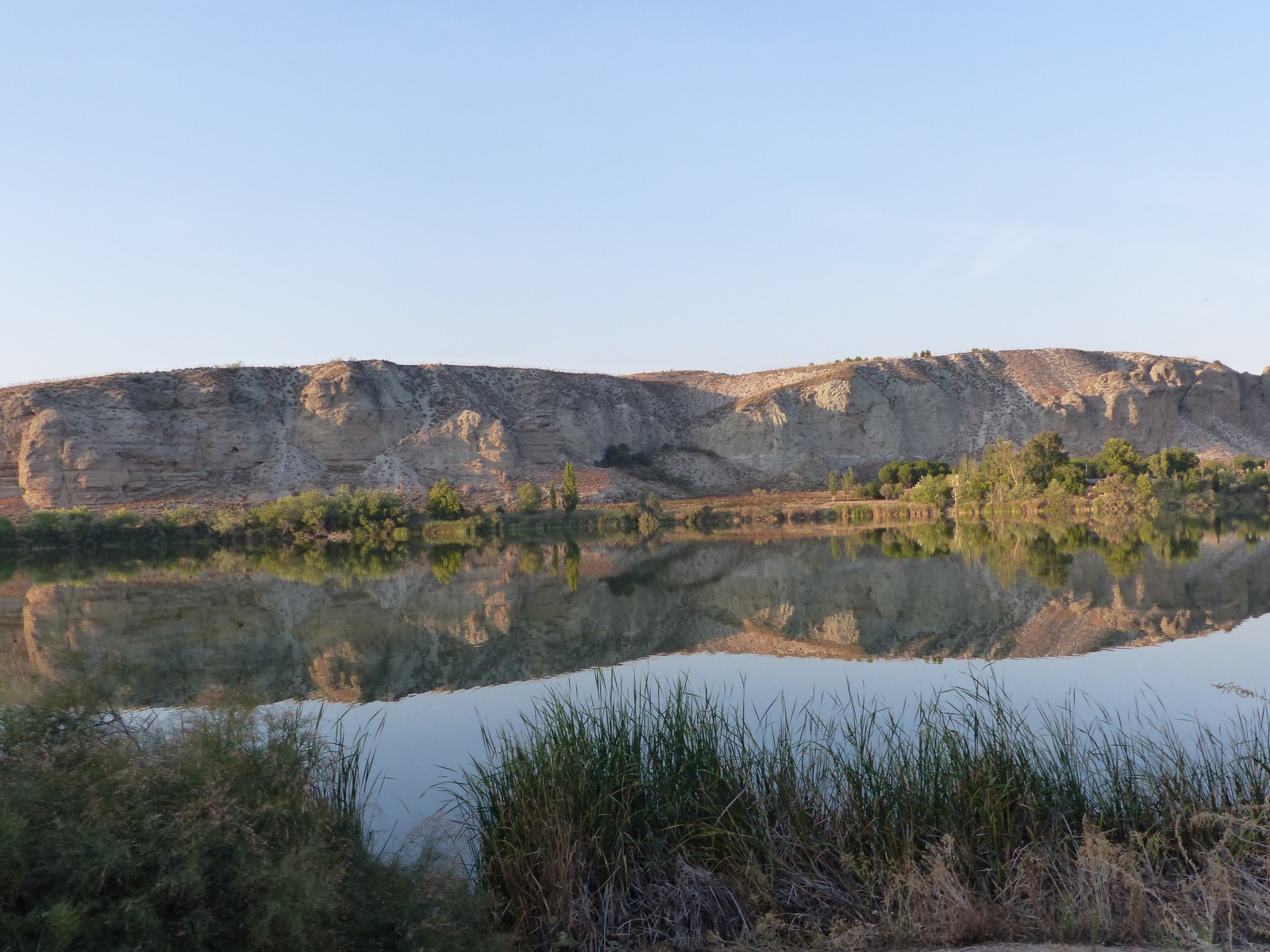
The Laguna de El Campillo is included in the Parque Regional del Sureste, the best area to see waterbirds in the Community of Madrid. Consisting in a fairly big lake, the riparian forest around it, the Jarama river and some quite high sandstione cliffs, with shrubs on their base, it offers a huge variety of habitats where birds thrive.
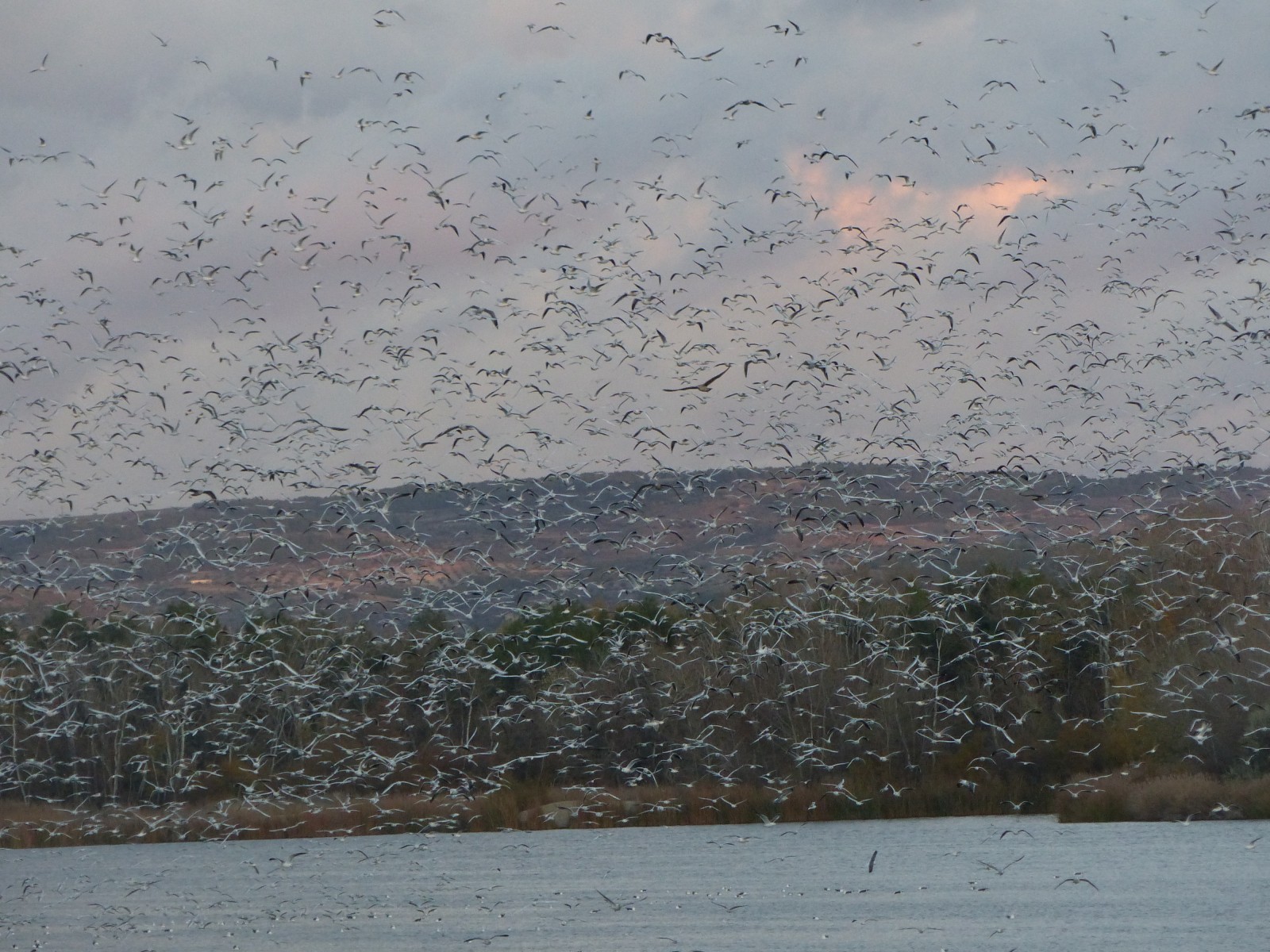
In the lake and the river of Laguna de El Campillo a variety of water-related birds can be spotted, from the common łyska to the majestic czapla purpurowa, feeding and breeding in the water or around it. A spectacular event happens in the winter, when thousends of gulls, mainly śmieszka and mewa żółtonoga, land in the lake to spend the night, turning the surface white.
The forested and open areas are not very extensive or interesting, as they are home to a smaller number of birds, most of them quite common. However, the hanging nests of the remiz are a curious sight, and so is the proper bird.
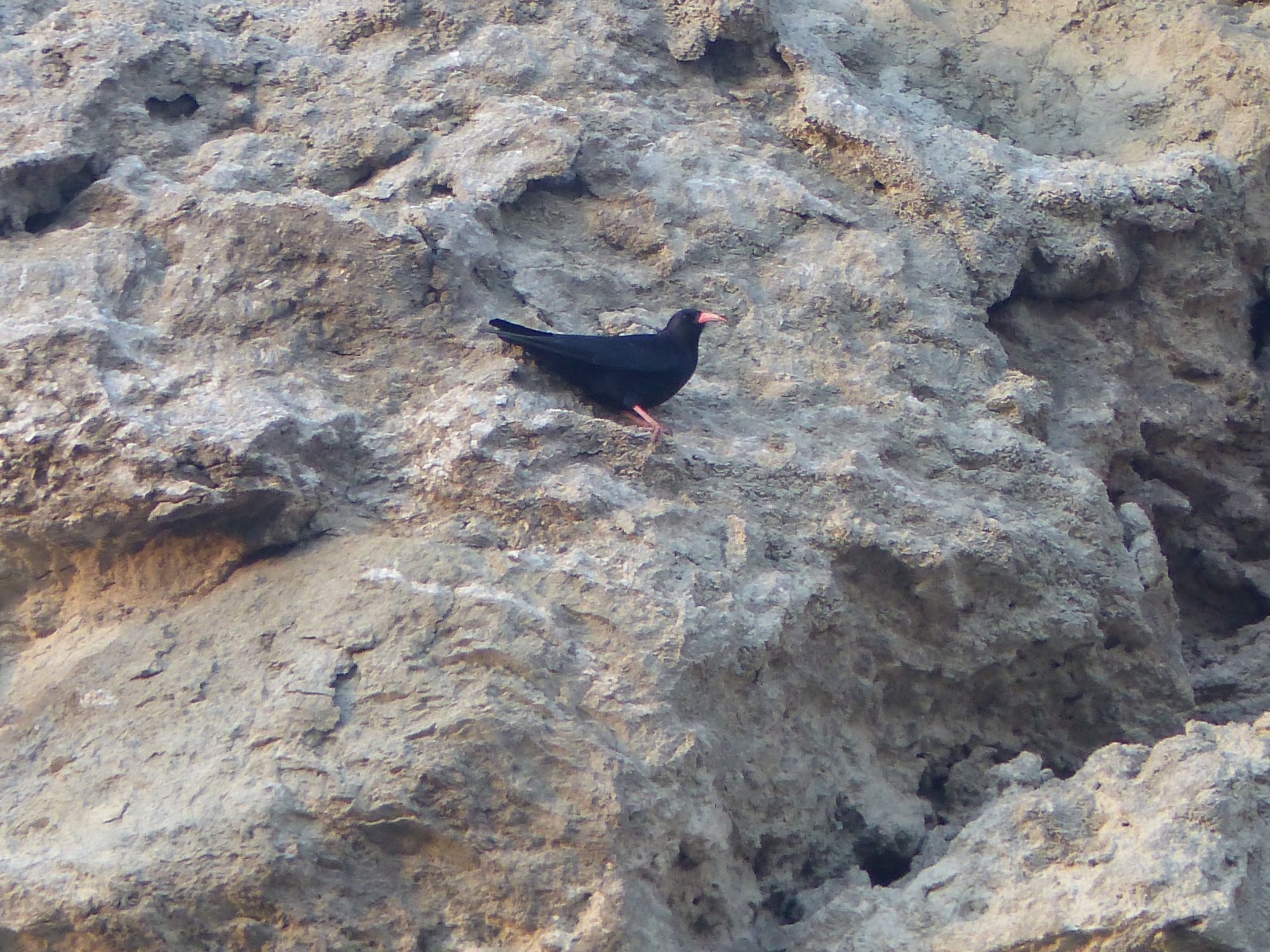
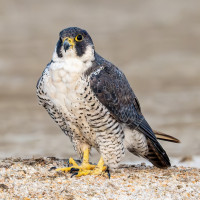
The second most important environment are the cliffs, which range tens of kilometers from the lake on. They are very abrupt, so no climbing is possible, but most species can be seen from their base. Among these wronczyk, bialorzytka zalobna and wróbel skalny are some of the easier ones to see, but quite interesting nevertheless. Other rarer species include sokół wędrowny and puchacz.
Szczegóły
Dostęp
Being right next to the village of Rivas-Vaciamadrid, the Laguna de El Campillo has an easy access, even by bus or by bike; although using a car is recommended. The bus stop is inside the town, so a short walk (less than 10 minutes) must be done in order to get here; but, if going by car or bike, you can easily park at the beginning of the lake, in a specific area designed for this (See the P on the map). The circular walk as shown on the map is about 4 km.
Teren i siedlisko
Las , Jezioro , Kanion/klif , Rzeka , TrzcinowiskaWarunki
Górzysty , Bagienny , Suchy , Możliwy wysoki poziom wodyTrasa dookoła
TakCzy luneta będzie przydatna ?
Może być przydatnaUdany sezon obserwacyjny
Przez cały rokNajlepszy czas na wizytę
ZimaTrasa
Droga nieutwardzona , Wąski szlakPoziom trudności szlaku pieszego
Średnio wymagający spacerDostępne
Pieszo , RowerCzatownia/platforma obserwacyjna
NieDodatkowe informacje
There is a huge colony of bocian biały in some electric towers close to the lake, so they can be seen very easily soaring over the lake. In winter, tens of kania ruda fly over the area from their sleeping zones to their feeding zones, so they are also a common sight.


 ) aby wstawić nazwy ptaków w swoim języku ojczystym. Nazwy ptaków zostaną automatycznie przetłumaczone dla innych użytkowników!