Opis
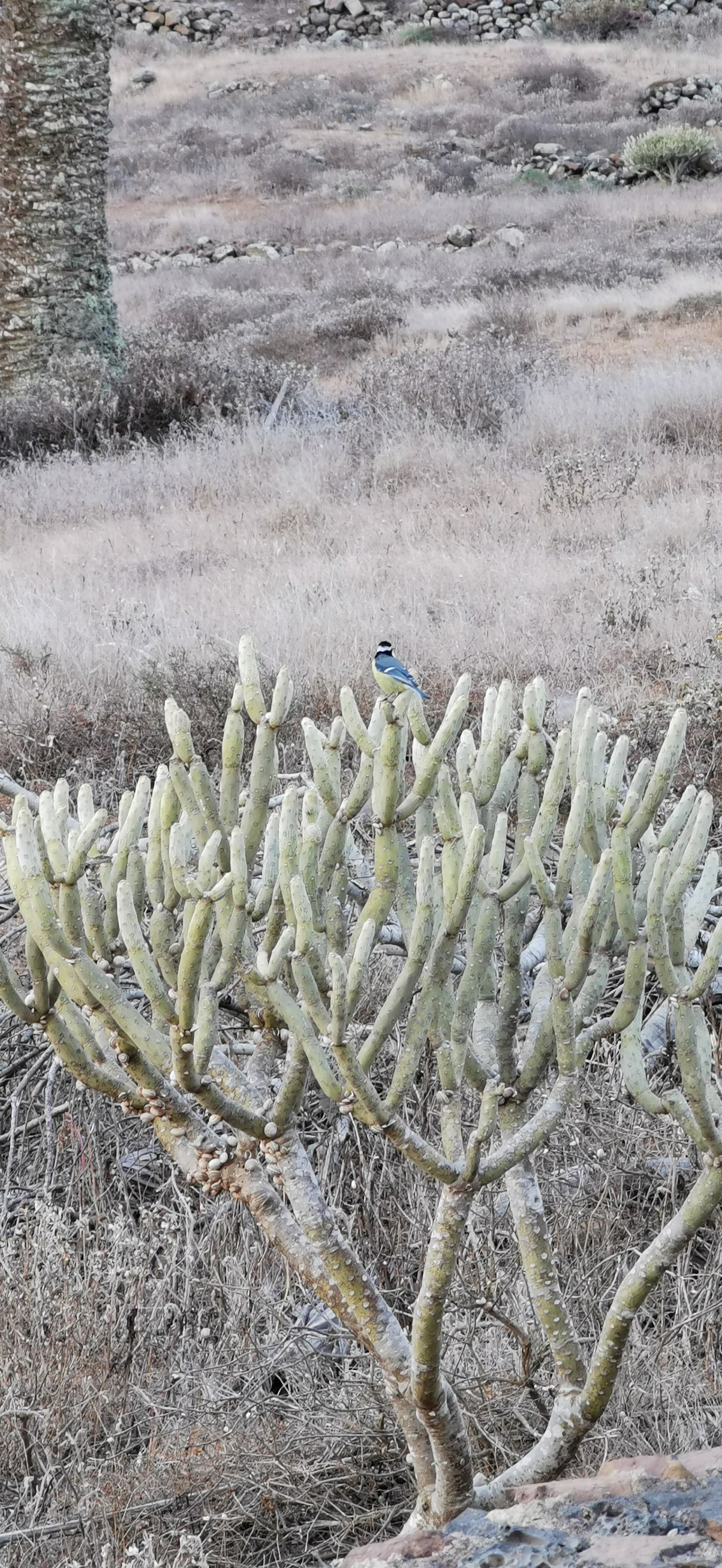
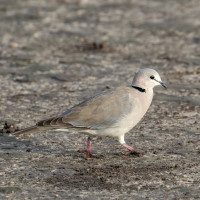
Haria is a good place to search for birds of agricultural areas. It has quite some modraszka kanaryjska. Look for sierpówka, synogarlica senegalska and cukrówka in the palm trees (or rather: listen). pustułka (zwyczajna) and kruk are most common raptors, but also check for others like ścierwnik, sokół wędrowny , sokół skalny. Also swiergotek kanaryjski and srokosz are common, while pokrzewka okularowa, makolągwa and kanarek are less common but still easy to find. mewa romańska is seen frequently at the cliffs.
Szczegóły
Dostęp
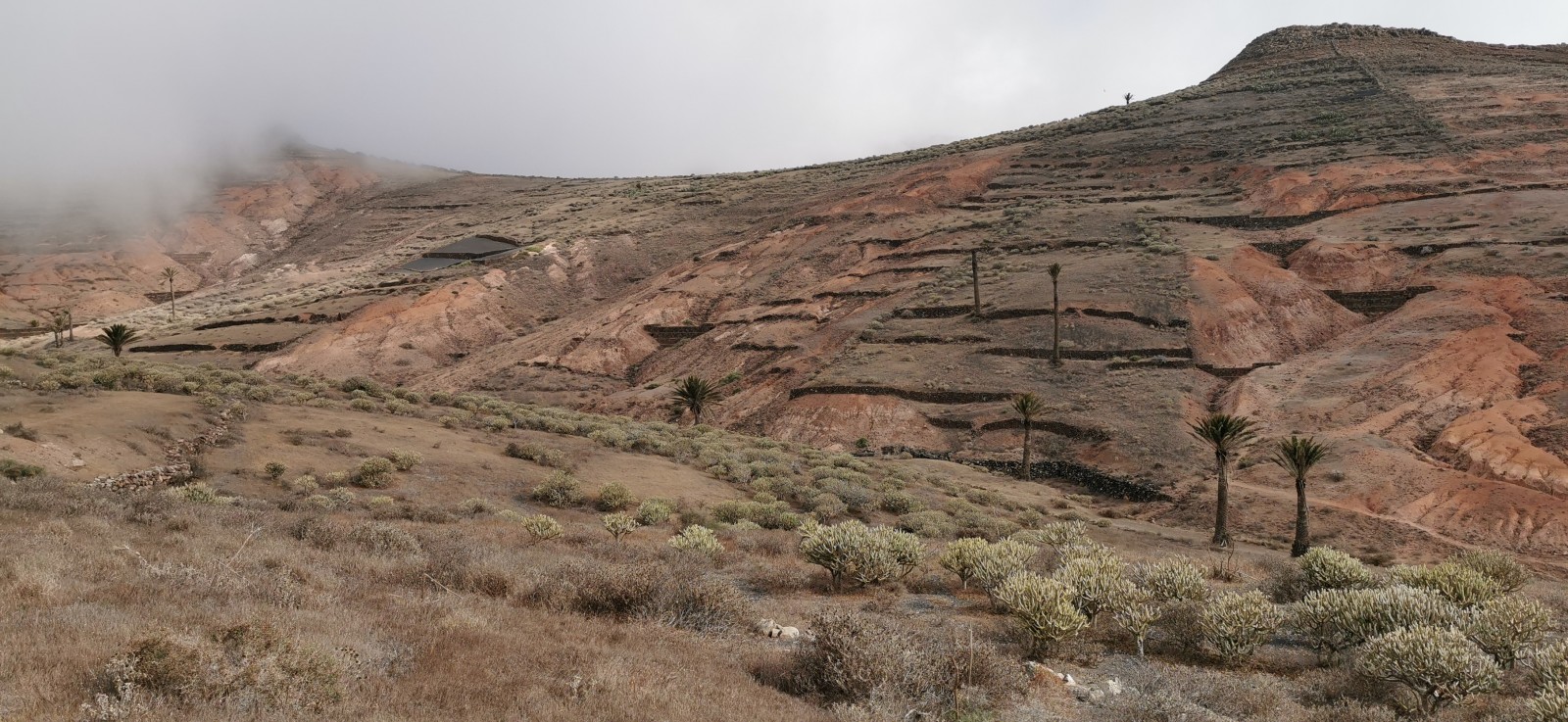
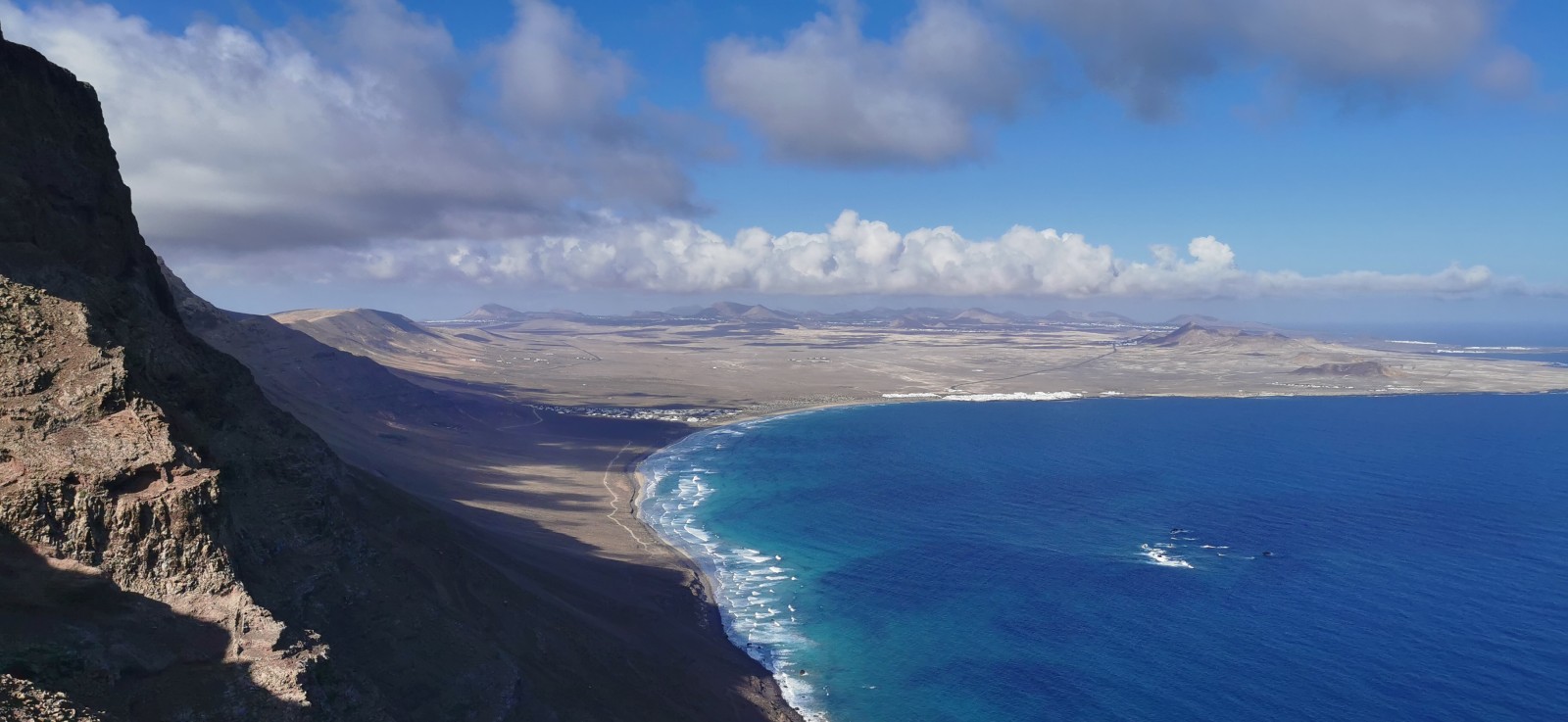
Park somewhere in the village or at the mirador and walk along the farmroads. Some new buidlings are being build (including a school) which makes it difficult to do a circular trail. Also mind the very narrow streets.
Teren i siedlisko
Góry , Kanion/klif , Pustynia , Rolnictwo/uprawy , Rzadkie drzewa i krzewy , Miasto/wieśWarunki
GórzystyTrasa dookoła
NieCzy luneta będzie przydatna ?
NieUdany sezon obserwacyjny
Przez cały rokTrasa
Szeroka ścieżka , Droga nieutwardzonaPoziom trudności szlaku pieszego
Średnio wymagający spacerDostępne
Pieszo , SamochódCzatownia/platforma obserwacyjna
NieDodatkowe informacje
Feedback by user Herbert Roehm:
"It is certainly possible to do a circular tour. Follow the C. Cesar Manrique road southwest for about 700m. In front of an iron gate, a path continues along the streambed to the Bosquecillo. When you reach a road again, turn right and after about 2km you will reach the Mirador. On March 7, 2025, a variety of songbirds could be heard in the gardens along the streambed. A pustułka (zwyczajna) was observed along the road to the Mirador."



 ) aby wstawić nazwy ptaków w swoim języku ojczystym. Nazwy ptaków zostaną automatycznie przetłumaczone dla innych użytkowników!