

Opis
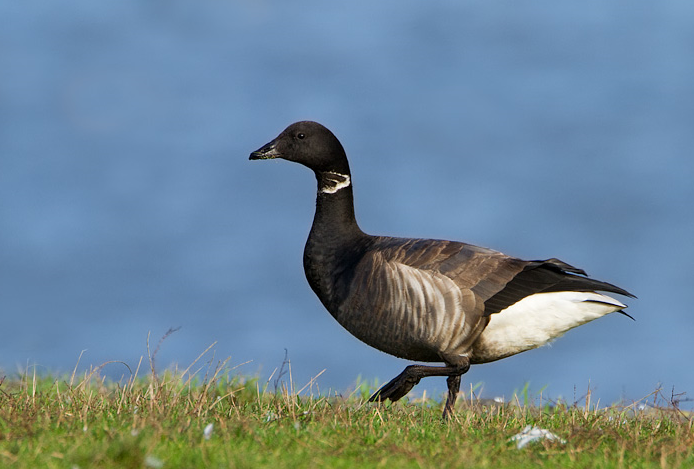
Cola del Embalse de Bornos is one of the best wetlands in the interior of the province. It supports wintering birds, such as gęgawa, bernikla obrożna and siewka złota. Large amount of łyska and perkoz dwuczuby.
_________________________
Espagnol: Embalse con tarajal y aves invernantes singulares. Es uno de los mejores humedales del interior de la provincia. Mantiene aves invernantes muy interesantes, como gęgawa bernikla obrożna y siewka złota. Gran cantidad de łyska y perkoz dwuczuby
Szczegóły
Dostęp
Access from the village of Coto de Bornos. You can also do a route from the village of Bornos, but the first option is better.
_________________________
Espagnol: Acceso desde Coto de Bornos. También se puede hacer una ruta desde Bornos, pero es mejor la primera opción.
Teren i siedlisko
Tereny podmokłe , Łąka , Równina , JezioroWarunki
Płaski , Bagienny , Otwarty krajobraz , Możliwy wysoki poziom wodyTrasa dookoła
NieCzy luneta będzie przydatna ?
TakUdany sezon obserwacyjny
Przez cały rokNajlepszy czas na wizytę
Jesień , ZimaTrasa
Droga nieutwardzonaPoziom trudności szlaku pieszego
ŁatwyDostępne
Pieszo , RowerCzatownia/platforma obserwacyjna
NieDodatkowe informacje
Winter is the most interesting time. gęgawa, bernikla obrożna, siewka złota and czajka appear. There are also raptors. Large number of łyska and perkoz dwuczuby. On other times of the year it is also possible to enjoy the place although the most unique species are no longer there. But this is compensated by the number of birds and other rare species, such as ślepowron and bączek.
_________________________
Espagnol: El invierno es el momento más interesante. Aparecen gęgawa bernikla obrożna siewka złota y czajka. También hay rapaces. Gran número de łyska y perkoz dwuczuby En otras fechas también es posible disfrutar del lugar aunque las especies más singulares ya no están. Lo compensa la cantidad de aves y otras especies singulares, como ślepowron y bączek.


 ) aby wstawić nazwy ptaków w swoim języku ojczystym. Nazwy ptaków zostaną automatycznie przetłumaczone dla innych użytkowników!