

Opis
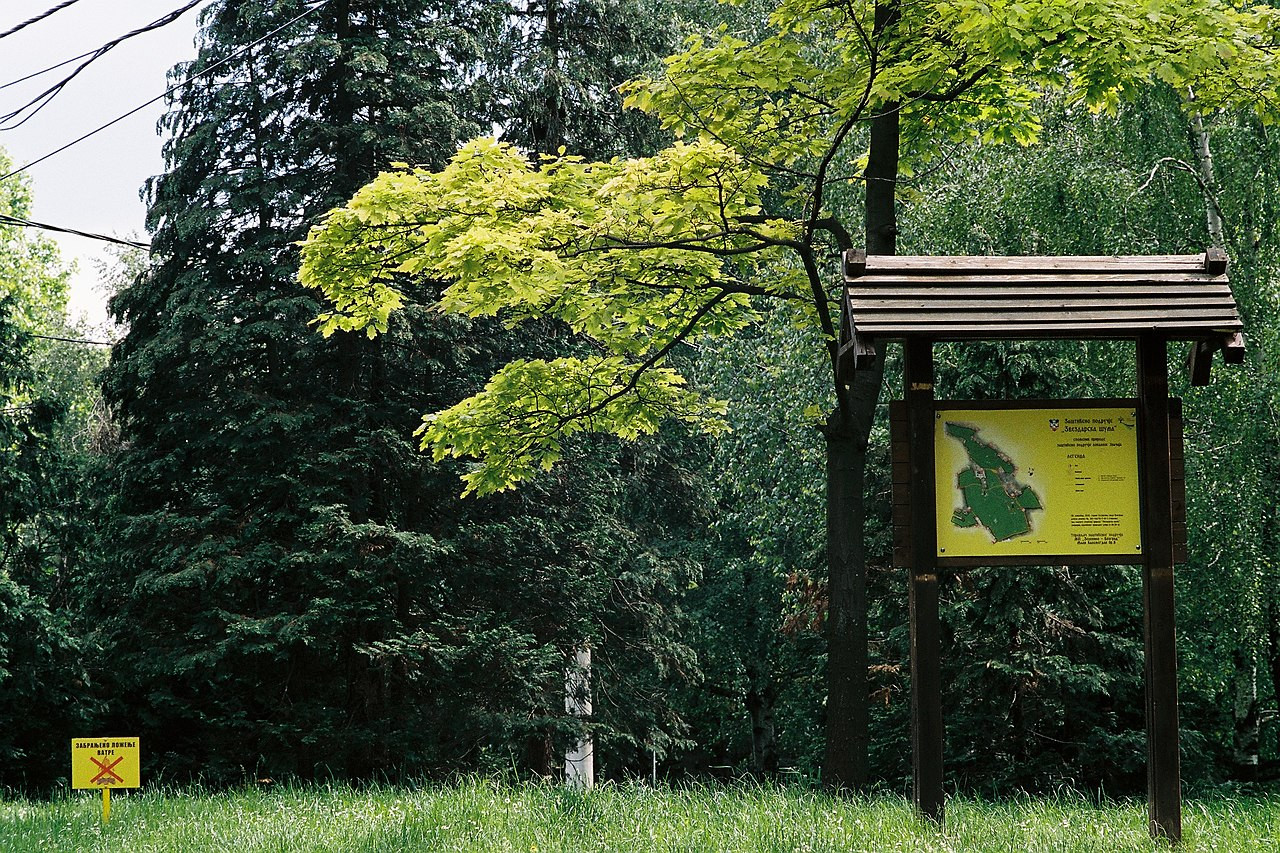
Zvezdara Forest (Zvezdarska šuma in Serbian) is fantastic in the early mornings before dog walkers and joggers are up. With 137 hectares, out of which 21 hectare is a more open park area, it is one of the largest city parks in Belgrade.
Forest planting began in 1933, with the most massive forestation occurring from 1948 to 1950 when tens of thousands of seedlings were planted. The most common tree species in the forest include black locust, black poplar, Canadian poplar, sycamore maple, pedunculate oak, black pine and Scots pine. In 2009 an average tree age was estimated at 50 years.
Zvezdara Forest is inhabited by almost 90 bird species, from puszczyk zwyczajny, dzięcioł średni, dzięcioł białoszyi, dzięcioł zielony and dzięcioł czarny to wilga (zwyczajna), sikora uboga, zaganiacz, piegża, słowik rdzawy, muchołówka żałobna, kulczyk, etc. This park is especially good during migration (warblers, flycatchers): muchołówka szara , świstunka leśna , muchołówka białoszyja , zniczek; and in winter (various finches): jer , czyż , paszkot , droździk , grubodziób , gil , mysikrólik...
Photo Wikimedia Commons
Szczegóły
Dostęp
To get there, take bus line 65 to the “Zvezdara Forest” stop. Zoom in on the map and click on the "P" (parking) sign for driving directions.
There are a myriad of walking paths, so I marked instead the best entrance or exit points ("P").
Teren i siedlisko
LasWarunki
Trasa dookoła
TakCzy luneta będzie przydatna ?
NieUdany sezon obserwacyjny
Przez cały rokNajlepszy czas na wizytę
Zima , Wiosenne migracje , Wiosna , Jesienne migracjeTrasa
Droga nieutwardzona , Droga utwardzonaPoziom trudności szlaku pieszego
ŁatwyDostępne
PieszoCzatownia/platforma obserwacyjna
TakDodatkowe informacje
Strictly, the observation tower was not meant for birding purposes, but can be used for birdwatching as well.


 ) aby wstawić nazwy ptaków w swoim języku ojczystym. Nazwy ptaków zostaną automatycznie przetłumaczone dla innych użytkowników!