
Opis
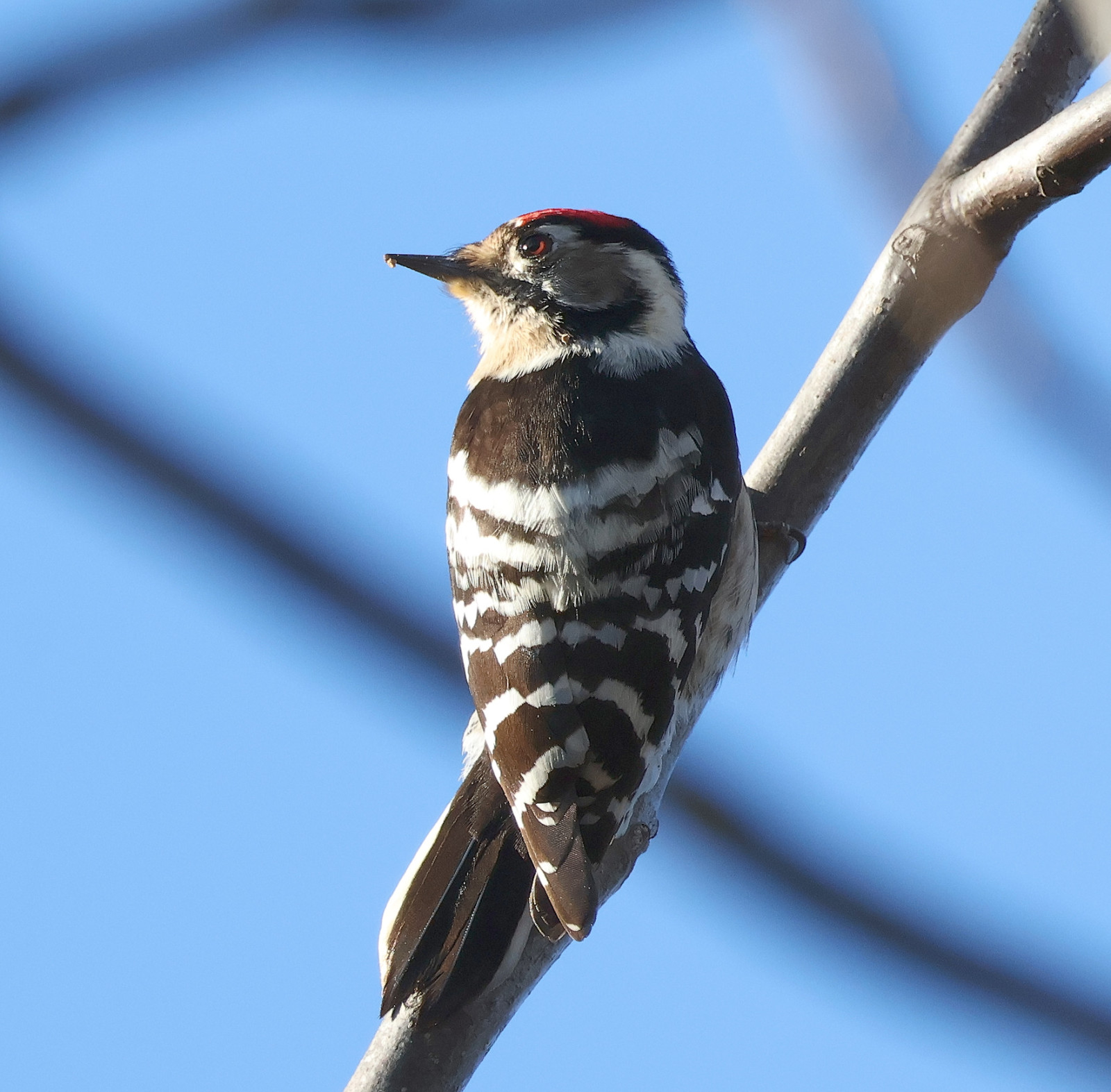
This little known but still beautiful place is located south-east of the city center. It presents a great mixture of habitats, including field, meadow, forest, marsh and city habitats. The fields and pastures are connected to the rest of Belgrade through Veliki Mokri Lug and Kumodraž, so it can be easily accesed. It boasts a great deal of birds year-round, with there being both common birds like kapturka, pustułka (zwyczajna), mazurek and dzięcioł duży and birds that are less common and hard to find near urban areas such as białorzytka, pokląskwa, dzięcioł zielonosiwy, siwerniak, muchołówka białoszyja, żołna (be aware that many of the mentioned birds are not always there, you have to visit at the right time and have some luck).
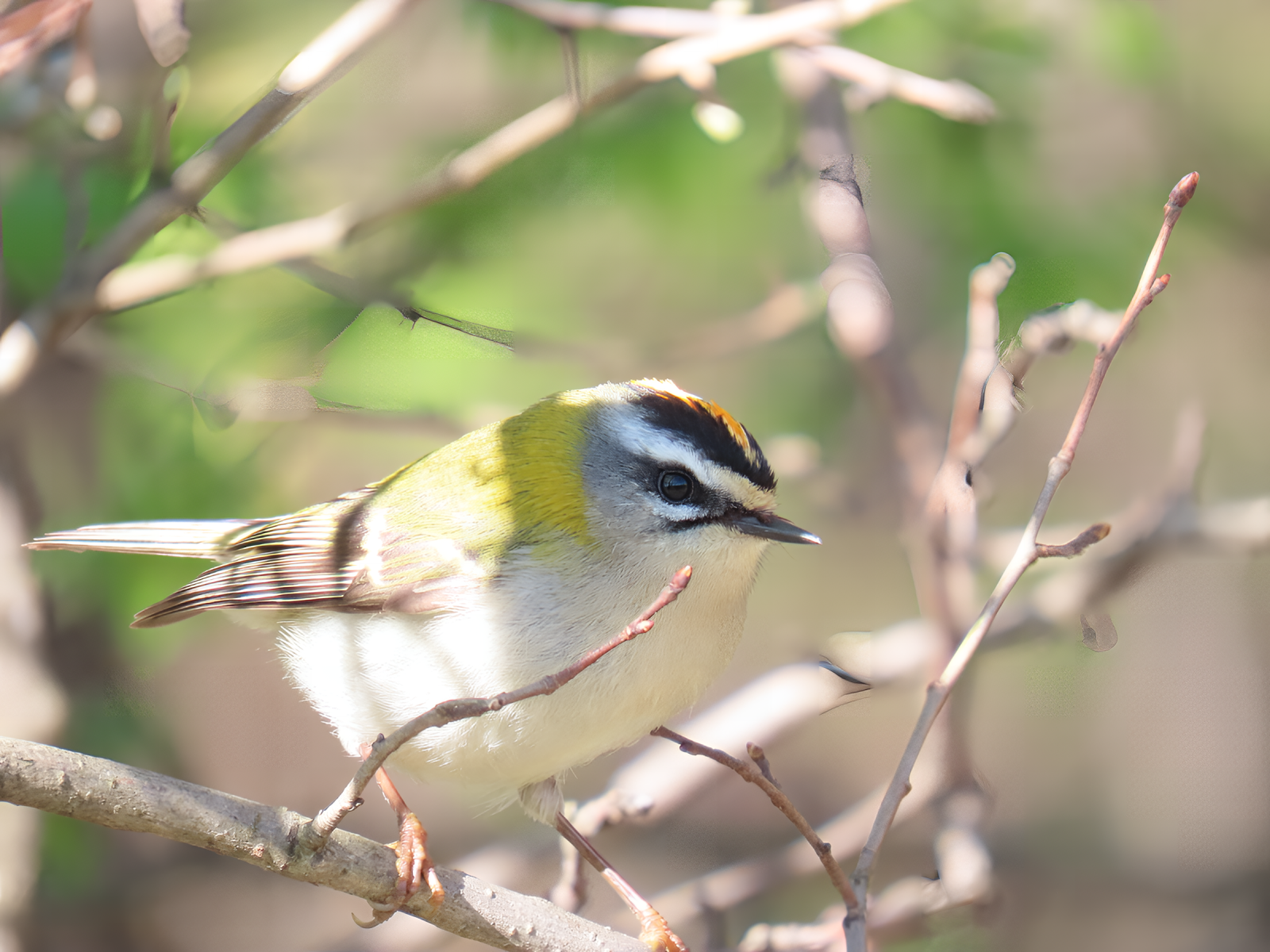
The best time to visit is winter when many finch species are regular, including gil, grubodziób, jer, czyż, makolągwa and szczygieł, as well as many thrush species like kwiczoł, droździk, kos (zwyczajny), and paszkot. Regular in winter are also mysikrólik, zniczek, pokrzywnica, cyraneczka, sosnówka, strzyzyk zwyczajny, świergotek łąkowy and many others. In winter, all of the water birds come to the ponds. krzyżówka can be seen from late autumn to may(can be spotted in flyovers year-round). cyraneczka is here from late autumn but leaves before spring begins. wodnik (zwyczajny) and kokoszka (zwyczajna) are guaranteed from october to april, but moorhens can stay longer(maybe even present year-round). kszyk, samotnik and brodziec piskliwy can be spotted in winter, and are not always there.
During spring migration, many different birds can be seen, including leaving trushes and finches, and incoming birds, like bocian czarny, bocian biały, pokląskwa, pliszka żółta, dudek, pierwiosnek, lerka, słowik rdzawy, dymówka, jerzyk, pleszka during the early and middle parts of migration, and żołna, gąsiorek, krętogłów, potrzeszcz, wilga (zwyczajna), piegża, cierniówka przepiórka and syczek in later parts of migration.
Although spring and summer are a bit worse in variety than autumn and winter, they still offer great birding. Especially in this period should you be looking out for less common flyover birds in this area and terrain, including jerzyk alpejski, kobuz and brzegówka. kania czarna, ślepowron, kukułka, czapla nadobna, gajówka can and all have been spotted in this period.
Autumn migration marks the end of summer and the arrival and passage of many birds, like świergotek drzewny, świstunka leśna, gąsiorek , słowik rdzawy and muchołówka szara in great numbers, but you can also find muchołówka żałobna and piecuszek, Trzmielojad is a common flyover here, and even słowik szary (a very rare bird in Serbia) has been spotted here for 3 years in a row.
All of these birds are here because of the diversity of this place, mentioned earlier. It is important to know what habitat to visit for the right type of bird. So for example, if you want to see uszatka and pójdźka you should search the streets and roofs and backyards of houses. If you want to see dzięcioł zielony and nesting wilga (zwyczajna), you should search the trees and tree lanes scattered all around the place, especially in Veliki Mokri Lug. Houses and backyards in Stari Vinogradi street regulary house mysikrólik, gil, pójdźka, syczek, sosnówka, wilga (zwyczajna), pleszka and many others.
For some of the birds mentioned, you have to be lucky and search at the right time. Many birds have been sighted here that you will almost definetly not find because of their rarity for the region or habitat. Exampes include błotniak łąkowy, jastrząb sokół wędrowny, jerzyk blady, słowik szary, błotniak stepowy, rybołów, trznadel czarnogłowy, zaganiacz trzcinniczek (zwyczajny), trzciniak, łozówka, kania ruda, słonka and others.
A stunning Belgrade city panorama stretching half the horizon can be seen at the slopes parallel to the Stari Vinogradi ('Old Vineyards') street. From there, the wast greeny hillside towards the Kumodraž suburbs can be observed, with numerous sroka, gawron, wrona siwa and occasional krogulec or pustułka (zwyczajna). Small herds of goats and sheep are still grazing these greeny slopes, protecting the meadows from overgrowing with scrubs.
This location is also great for planespotting. Standing on the earlier mentioned viewpoint at the very entrance and the top of the hill, you can see most of the city, including a silhouette of the Nikola Tesla airport. Every plane landing or taking off from the east side of the airport will be very low in the sky, where you can get a great look at it because of the open terrain and panorama view.
So far, there are 146 confirmed species in this birdingplace, but including bordering terrains (like Stepin Gaj birdingplace) that number is as high as 165!
In conclusion, take some time to visit this birding place before the constant urbanization conquers it fully. You will certainly not regret it.
Szczegóły
Dostęp
Take an E-75 highway from Belgrade city center towards Niš, then take the 'Lasta' exit and follow the directions to the 'P' mark on the map in the Stari Vinogradi street. Alternatively, head towards the Kumodraž suburbs and park on the second 'P' mark at the south part of the map. Bus lines 20, 308 and 38 lead to Veliki Mokri Lug, and bus lanes 33, 25P, 39, lead to Kumodraž. Bus lane 312 cirlces Veliki Mokri Lug. Bus stops 'Stari Vinogradi' and 'Buljubašine vode' are located near the entrance to the fields from the side of Veliki Mokri Lug.
Teren i siedlisko
Las , Rzadkie drzewa i krzewy , Łąka , Płaskowyż , Miasto/wieś , Rolnictwo/uprawy , Trzcinowiska , StawWarunki
Płaski , Pagórkowaty , Otwarty krajobrazTrasa dookoła
TakCzy luneta będzie przydatna ?
Może być przydatnaUdany sezon obserwacyjny
Przez cały rokNajlepszy czas na wizytę
Zima , Wiosenne migracje , Jesienne migracjeTrasa
Droga utwardzona , Droga nieutwardzona , Wąski szlakPoziom trudności szlaku pieszego
Średnio wymagający spacerDostępne
Pieszo , RowerCzatownia/platforma obserwacyjna
NieDodatkowe informacje
Conditions can be pretty muddy after the rain, thus prepare the boots if you plan to leave the paved roads.
If you plan on venturing deeper looking for birds, you should be wary about dogs. Even though they likely have an owner and rarely show up, they can group up and potentialy become aggresive and start barking. Means of defense (like pepper spray) are recommended.
The terrain is very uneven and sometimes hard to traverse and there are many grass roots(surprisingly tough) that can get your leg stuck, so you should be careful.
Always wear pants or trousers that cover your legs completely if you want to venture in deeper grass looking for birds, there are a lot of thorns and seeds that can cut you or get stuck on you.
Linki
- 'Njive i Živice između Velikog Mokrog Luga i Kumodraža' eBird hotspot
- 'Naselje Stepa Stepanović' eBird hotspot
- 'Naselje Kumodraž' eBird hotspot
- 'Naselje Veliki Mokri Lug' eBird hotspot


 ) aby wstawić nazwy ptaków w swoim języku ojczystym. Nazwy ptaków zostaną automatycznie przetłumaczone dla innych użytkowników!