Opis
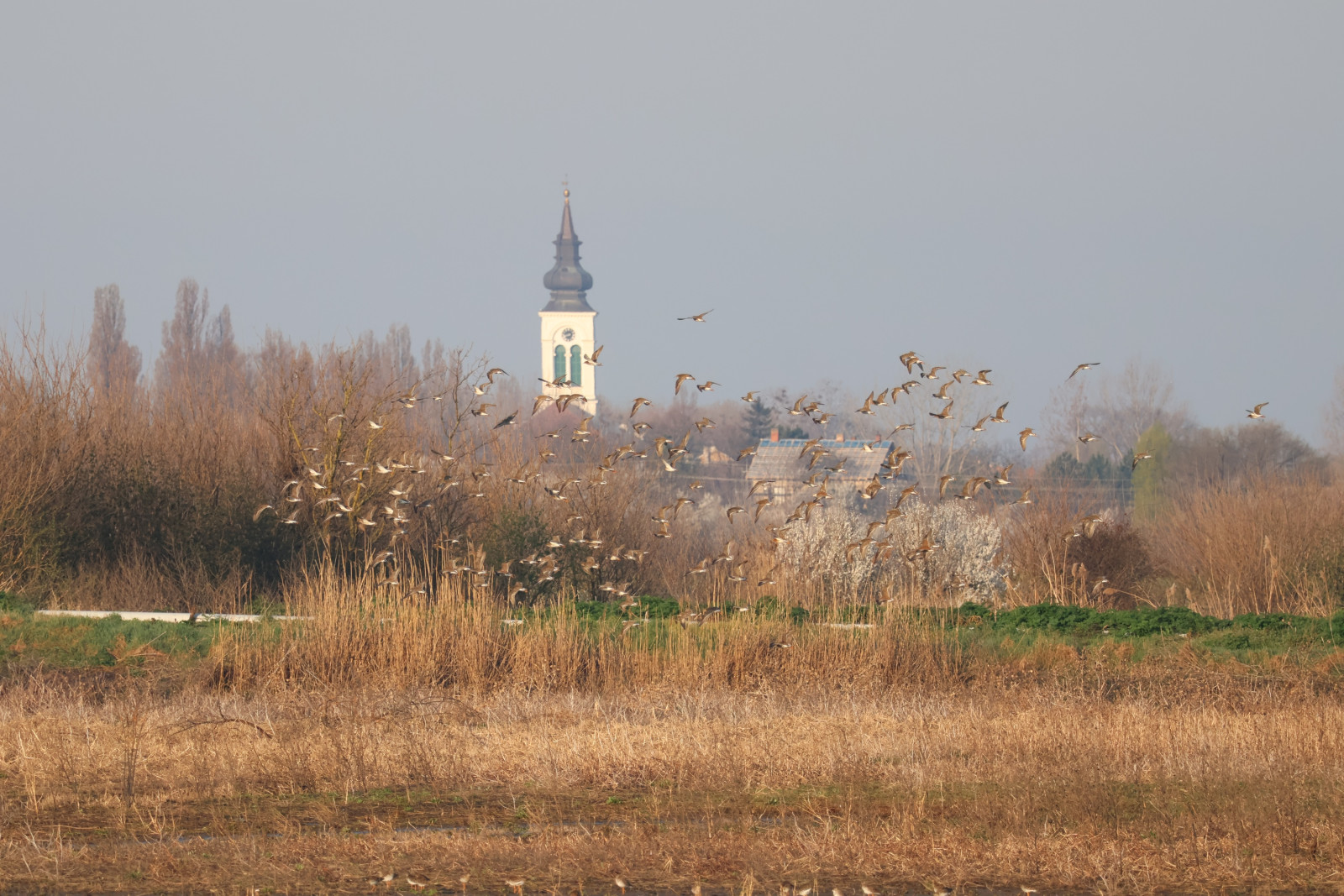
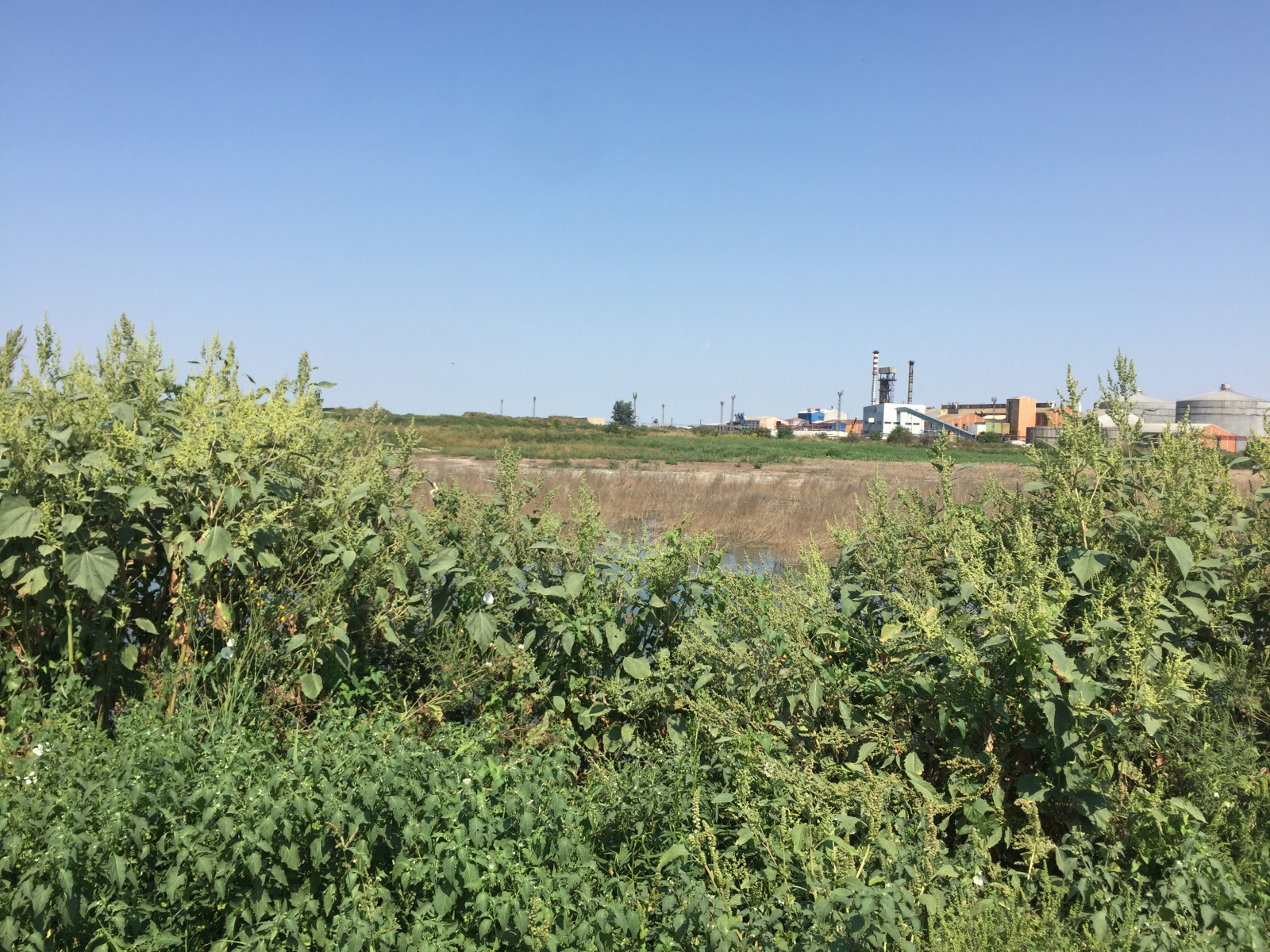
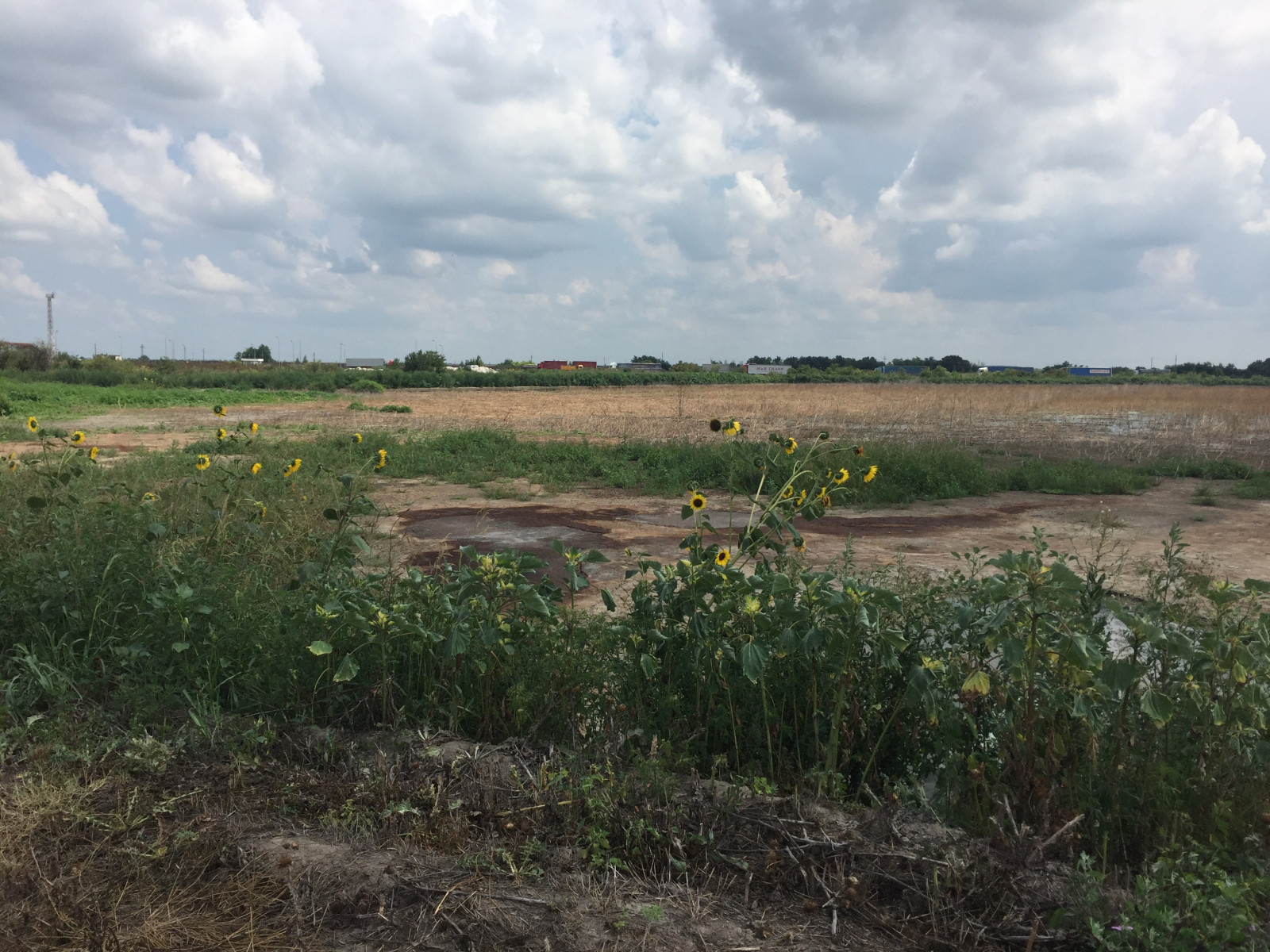
The “Jedinstvo” Sugar Plant ponds lie between Kovacica and Debeljaca villages, about 40 km northeast from Belgrade. The wastewater collectors cover an area of about 100 ha. There are a total of seven smaller or larger ponds, 10 to 20 hectares in size. All ponds are surrounded by embankments 2-3 m high, while the entire wastewater collectors area is surrounded by a canal 2-3 m wide with a narrow belt of reeds along the edges. The plant is operational and the ponds can be quite smelly. The smaller, northern ponds are shallower and more productive. This is possibly the best visited spot around.
If the water level is right, not too deep nor dry, waders here include biegus krzywodzioby, brodziec śniady, biegus rdzawy, sieweczka rzeczna, kulik mniejszy, rycyk, sieweczka obrożna, kamusznik, batalion, biegus płaskodzioby, biegus mały, biegus zmienny, biegus malutki, kszyk, brodziec piskliwy, samotnik, kwokacz, brodziec pławny, łęczak, krwawodziób and żwirowiec łąkowy (rarity). śmieszka, szczudłak and szablodziób breed at the beginning of the marked route, while czajka breed more to the right, closer to the sugar plant.
Other birds to look for include cyranka, zausznik, wodnik (zwyczajny), rybitwa czarna, rybitwa białowąsa, rybitwa białoskrzydła, bączek, czapla modronosa, żołna, kraska, gąsiorek, dzierzba czarnoczelna (uncommon) and dzierzba rudogłowa (rarity).
Photos (2) by Ivana Novčić and Mileta Čeković.
Szczegóły
Dostęp
It lies just north of the Debeljaca turn off. You can park there and visit the ponds on foot (visible as the low embankment on your left-hand side), or use the next turn off for the plant itself, in which case be sure not to block the road for large lorries heading for the plant gate. For driving directions, zoom in on the map and click on the "P" (parking) sign.
Teren i siedlisko
Rolnictwo/uprawy , Błota , Jezioro , Tereny podmokłe , Równina , TrzcinowiskaWarunki
Płaski , Brak cienia , Otwarty krajobrazTrasa dookoła
TakCzy luneta będzie przydatna ?
TakUdany sezon obserwacyjny
Wiosna , JesieńNajlepszy czas na wizytę
Wiosenne migracje , Jesienne migracje , WiosnaTrasa
Szeroka ścieżka , Droga nieutwardzonaPoziom trudności szlaku pieszego
ŁatwyDostępne
PieszoCzatownia/platforma obserwacyjna
NieDodatkowe informacje
The best season is September to October, as well as April to May.



 ) aby wstawić nazwy ptaków w swoim języku ojczystym. Nazwy ptaków zostaną automatycznie przetłumaczone dla innych użytkowników!