Opis
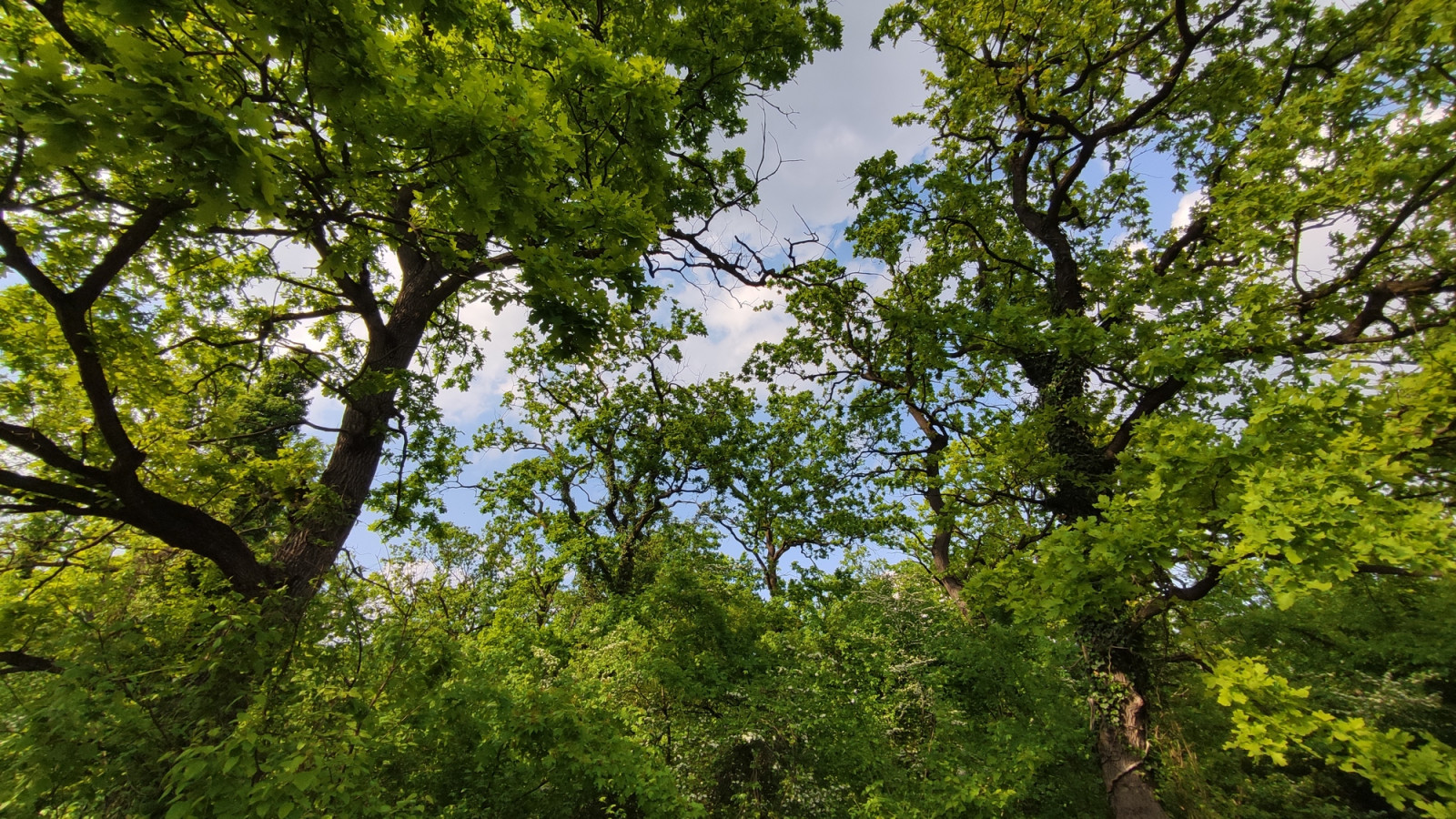
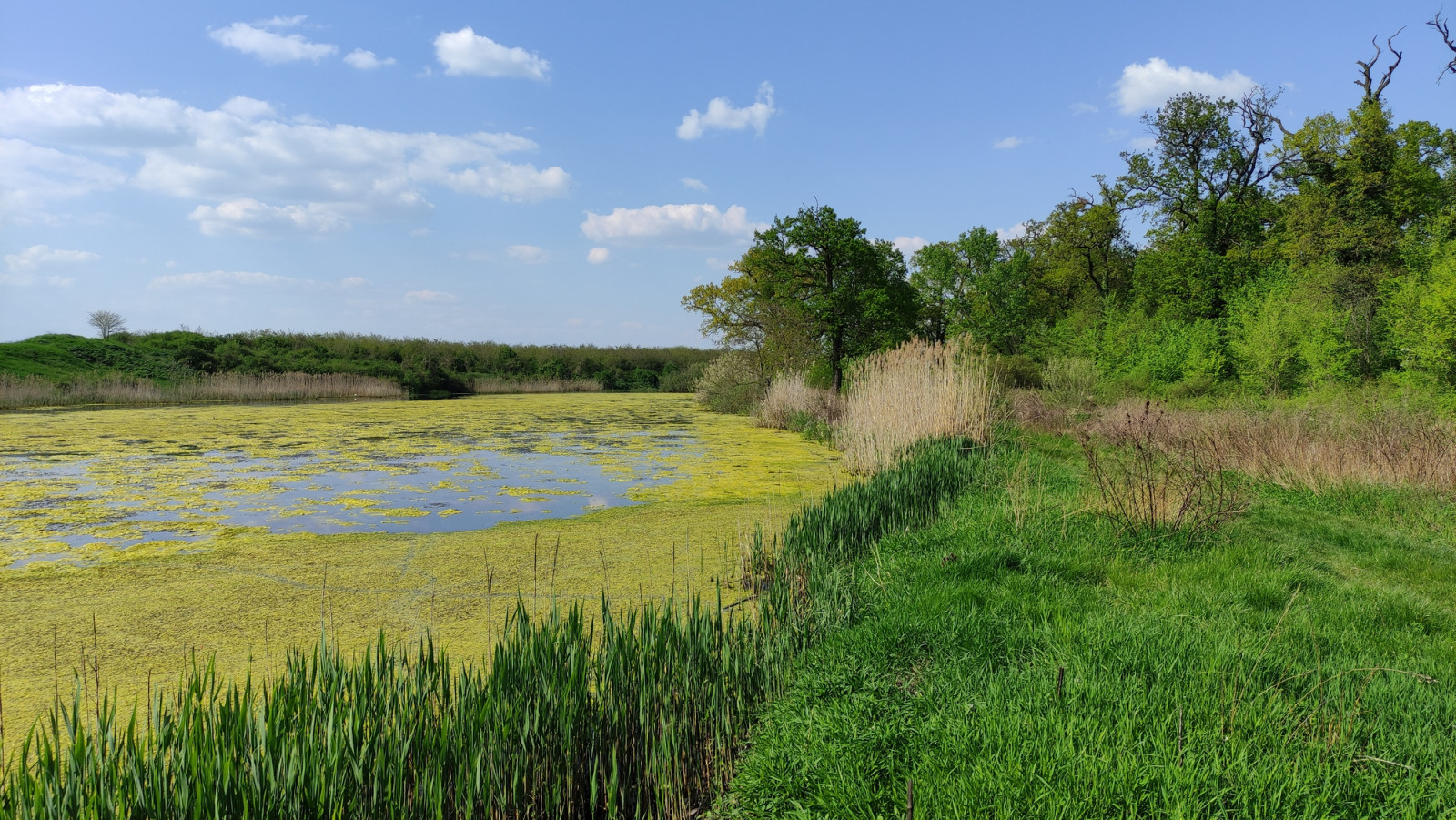
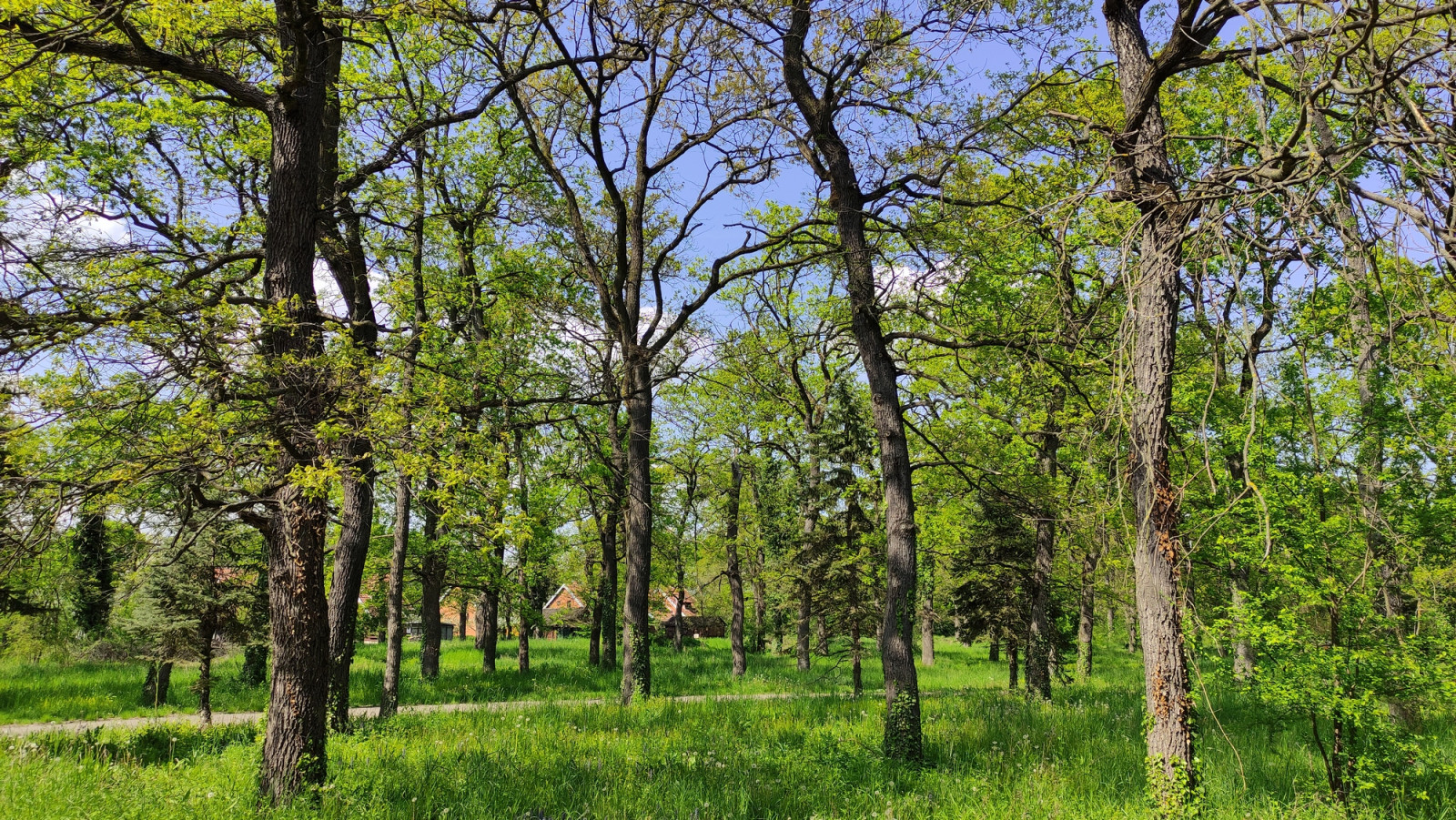
Jakovački ključ English oak forest is one of the few still-standing floodplain areas with more than two centuries old oak forests. The forest, also known as SRC Surčin, has 160 hectares and almost 140 so far recorded bird species. Along the northern edge lies a canal, formerly a part of the River Galovica, adding cyranka, rybitwa białowąsa, kormoran mały, bączek and ślepowron to the scene but, in warm days, also a line of numerous anglers.
I particularly like Jakovački ključ in winter, when bare branches allow you to actually see all those forest birds: jer, gil, sosnówka, mysikrólik, zniczek, paszkot, droździk, grubodziób, czyż, etc. Woodpeckers include dzięcioł średni, dzięciołek, dzięcioł zielony and dzięcioł czarny.
Later in spring, my preferred season becomes April (migration peak / early breeding season for resident species), because the oak leaves are not fully formed, making birds a bit more visible than later: świstunka leśna, śpiewak, słowik rdzawy, muchołówka żałobna, pleszka, kopciuszek, grubodziób, kulczyk. The canal is adorned with remiz and trzciniak and the surrounding fields with dudek. Also, there is about 50 pairs-strong colony of czapla siwa with several pairs of ślepowron near the tarmac-covered football field in the SW (1).
Szczegóły
Dostęp
Zoom in on the map and click on the "P" (parking) sign for driving directions. Jakovački ključ forest may also be reached by public bus 602, which departs from New Belgrade, Block 44. The trail marked on the map is about 6 km long. Insect repellant is a good idea in summer.
Teren i siedlisko
Las , Tereny podmokłeWarunki
PłaskiTrasa dookoła
TakCzy luneta będzie przydatna ?
NieUdany sezon obserwacyjny
Przez cały rokNajlepszy czas na wizytę
Zima , Wiosna , Wiosenne migracjeTrasa
Droga utwardzona , Szeroka ścieżkaPoziom trudności szlaku pieszego
ŁatwyDostępne
Pieszo , Rower , Wózek inwalidzkiCzatownia/platforma obserwacyjna
NieDodatkowe informacje
Once this forest was a recreational centre (SRC Surčin) with volleyball and tennis courts, and bungalows for rent belonging to Yugoslav Army. Yet, after the 1990s army personnel refugees permanently settled the bungalows in the centre of the forest, turning it into a suburb of Surčin. Hence, nowadays there is a city connection by public transport system. Saddly, locals tend to use this forest as an unofficial rubbish tip.



 ) aby wstawić nazwy ptaków w swoim języku ojczystym. Nazwy ptaków zostaną automatycznie przetłumaczone dla innych użytkowników!