


Opis
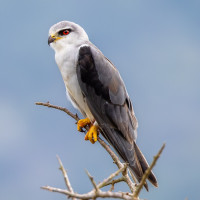
Bioria Nature Reserve is very well hidden behind the town of Estarreja. It is an endlessly connected series of wetlands with large reed fields and small-scale wet farmers' fields. Hundreds of bocian biały and thousands of water birds live here. And more than 200 pairs of czapla purpurowa. It is the largest colony of czapla purpurowa in Portugal. Cycling and hiking trails have been laid out and there is a visitor center. Almost 200 different bird species have been recorded. rycyk, warzęcha and many other waders can also be found here during migration. And jaskółka rudawa, żołna, dudek and kaniuk can also be observed.
Szczegóły
Dostęp
Bioria Nature Reserve is located to the west of the town of Estarreja. Click on the P in the map to get directions to the parking of the reserve next to the Interpretation Center. Best way to see the czapla purpurowa, is to walk or cycle the "Salreu" path. This is the route you see on the map below. Path Salreu is circular, and starts and ends at the Interpretation Center. It has a length of about 8 kilometers and can be done on foot or by bicycle. It is a route that crosses rice fields, marshes, reed beds and rushes. By foot the walk takes about two and a half hours. Note that it can be very busy with visitors, especially in the weekends.
Teren i siedlisko
Tereny podmokłe , Morze , Trzcinowiska , Rolnictwo/uprawy , BłotaWarunki
Płaski , Bagienny , Otwarty krajobraz , Brak cieniaTrasa dookoła
TakCzy luneta będzie przydatna ?
Może być przydatnaUdany sezon obserwacyjny
Przez cały rokNajlepszy czas na wizytę
WiosnaTrasa
Droga nieutwardzona , Szeroka ścieżkaPoziom trudności szlaku pieszego
Średnio wymagający spacerDostępne
Pieszo , Rower , Wózek inwalidzkiCzatownia/platforma obserwacyjna
TakDodatkowe informacje
A telescope can be very useful, because you also pass the lagoon where the birds are very far away. But the Salreu is a rather long walk, so maybe you should think twice :-)
There are also three other birdwalks you can do in the area. Path Rio Jardim ( 2 km), Path Bocage (3,6 km) and Path Rio Antuã (5,7 km). For more information see the Bioria-website, click on the link below.



 ) aby wstawić nazwy ptaków w swoim języku ojczystym. Nazwy ptaków zostaną automatycznie przetłumaczone dla innych użytkowników!