

Opis
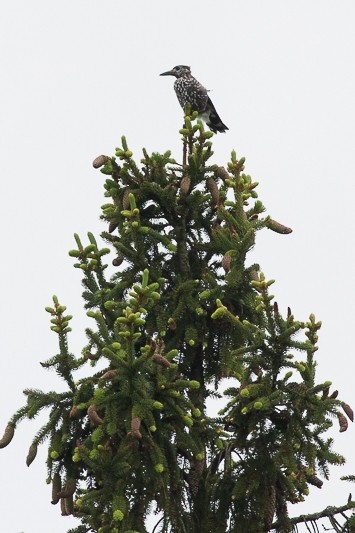
The valley of the San river, on the border with Ukraine, provides in a relative small area a great variety of landscapes. There are moorlands, old coniferous forests, wet grassland and extensive agricultural land. Most common species are orlik krzykliwy, potrzeszcz, Trzmielojad, zaganiacz, derkacz, jarzębatka and orzechówka (zwyczajna).
Szczegóły
Dostęp
Cross the river near Stuposiany and drive to the end of the road (+/- 18 km) till you see the parking on the right (Click on the P on the map to get directions). The walking trail you see on the map is about 4 km (one way).
Teren i siedlisko
Las , Tereny podmokłe , Rzadkie drzewa i krzewy , Łąka , Dolina , Wrzosowisko , Rzeka , Rolnictwo/uprawyWarunki
Pagórkowaty , Otwarty krajobraz , Możliwy wysoki poziom wodyTrasa dookoła
TakCzy luneta będzie przydatna ?
Może być przydatnaUdany sezon obserwacyjny
Wiosna , LatoNajlepszy czas na wizytę
Wiosenne migracje , Lato , Wiosna , Jesienne migracjeTrasa
Droga utwardzonaPoziom trudności szlaku pieszego
ŁatwyDostępne
Samochód , PieszoCzatownia/platforma obserwacyjna
TakDodatkowe informacje
Bieszczady National Park encompasses an area of nearly 300 square kilometres. In 1992 it became a part of the "East Carpathian" International Biosphere Reserve, the first UNESCO reserve to be located in three countries. The Polish portion of this reserve is complemented by sections in Ukraine and Slovakia. The park's riches include the large predators that inhabit it, including wolves and lynxes. Bears can also be spotted here, around 80 of them live in the Bieszczady range. Another of the park's attractions is its growing herd of 300 bison. A large population of deer and stags live here as well, as do over 140 species of birds.


 ) aby wstawić nazwy ptaków w swoim języku ojczystym. Nazwy ptaków zostaną automatycznie przetłumaczone dla innych użytkowników!