Opis
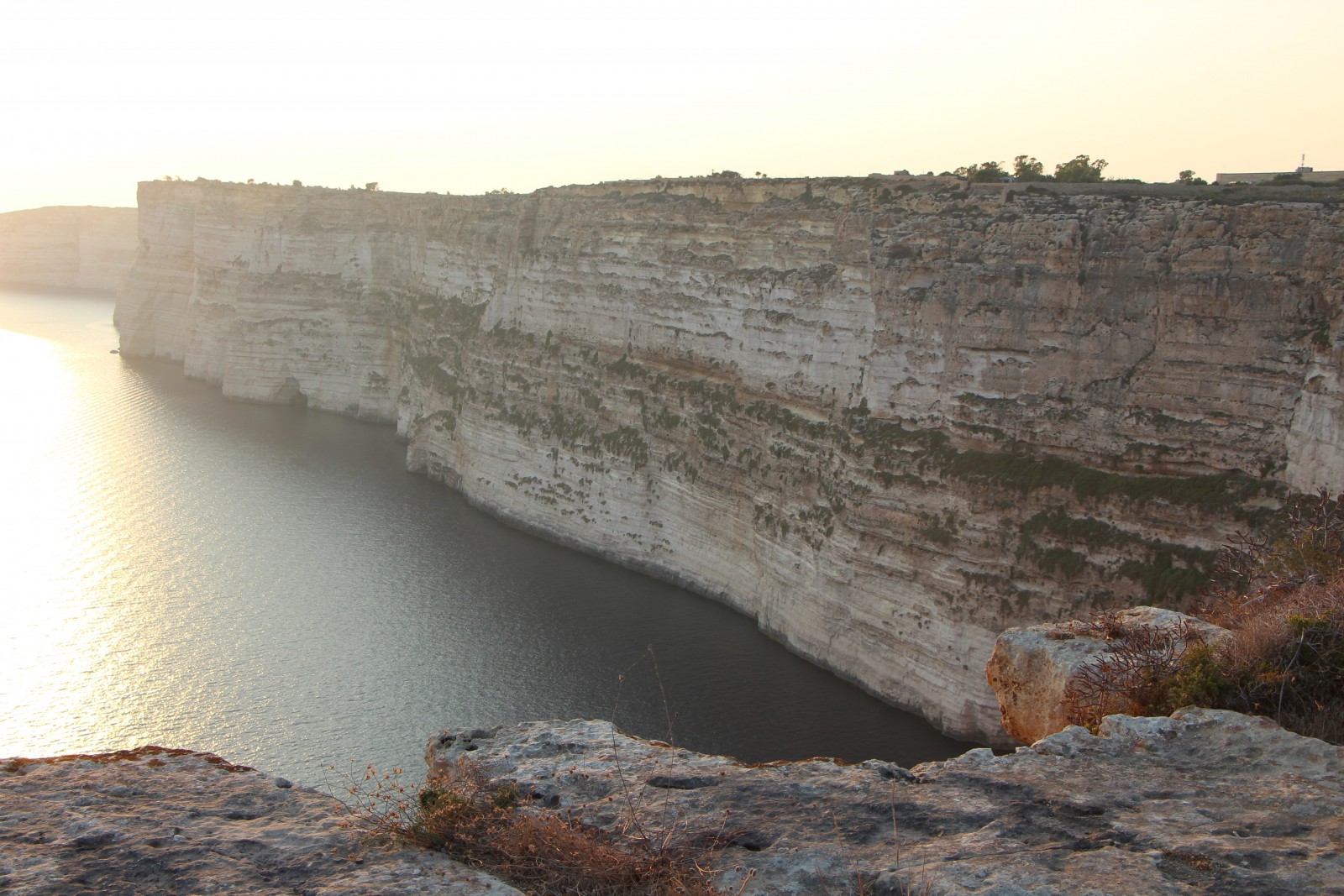
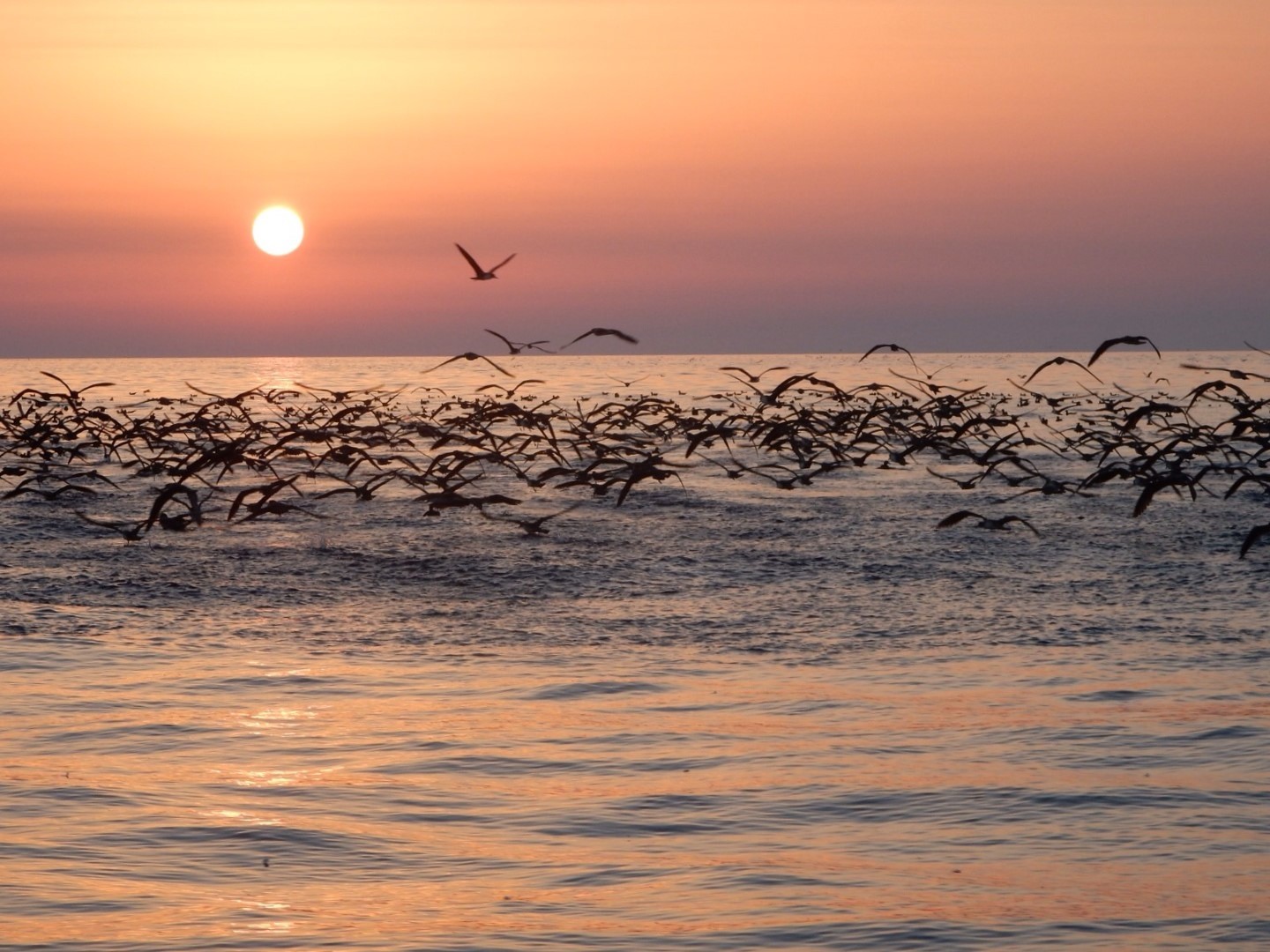
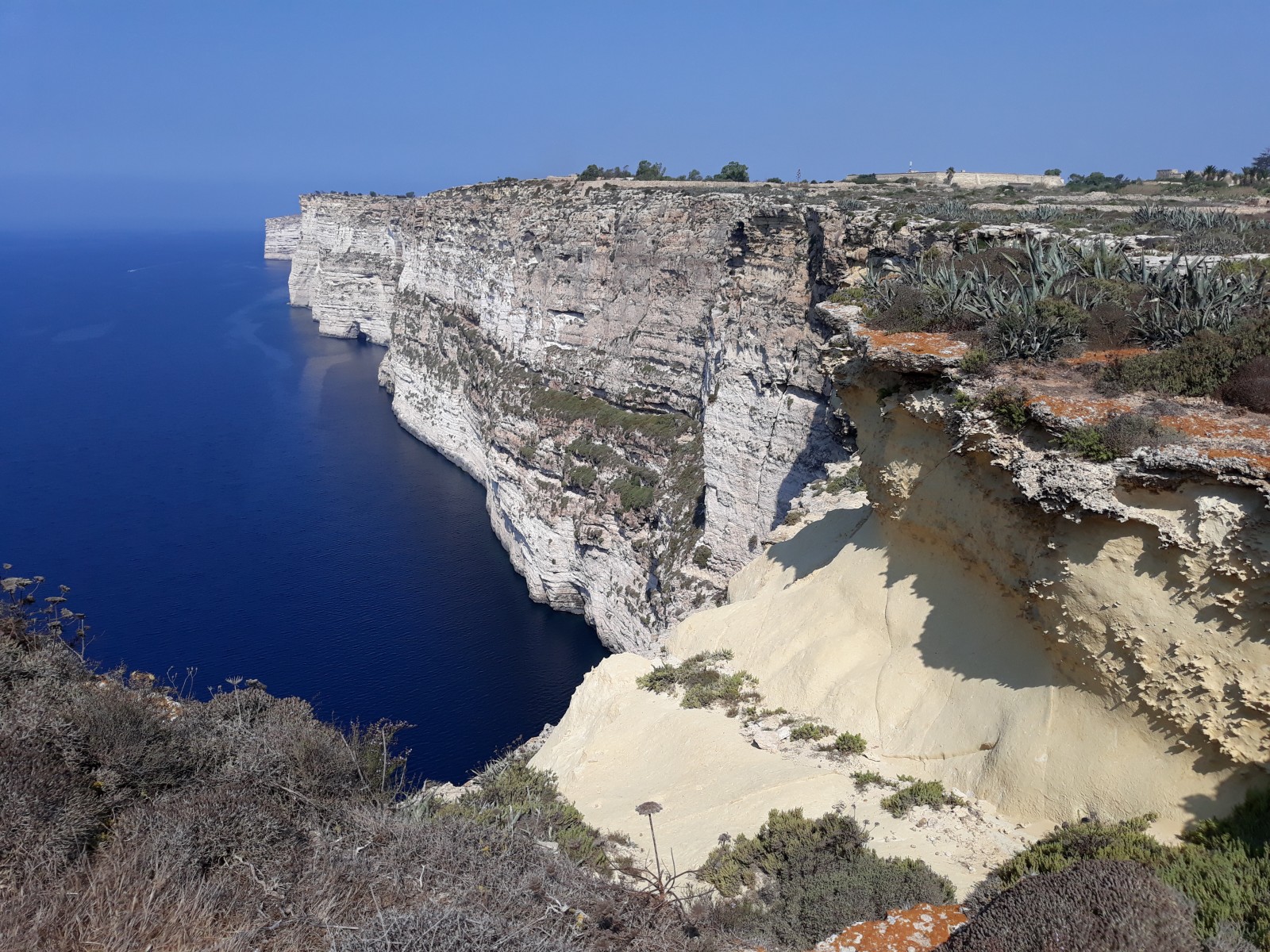
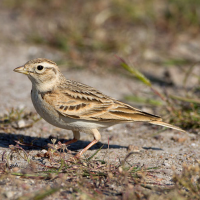
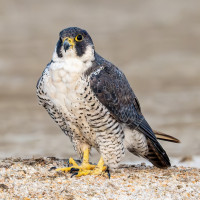
One of the best places in the Maltese Islands to see local species such as modrak, skowrończyk krótkopalcowy and pokrzewka okularowa, against a backdrop of the Mediterranean Sea and jaw-dropping cliffs. pustułka (zwyczajna) and sokół wędrowny also nest in the area. However, the cliffs are better known for the largest Burzyk żółtodzioby (diomedea) colony in the archipelago, which is at least a 1,000 pairs strong. On summer nights a cacophony of these birds' calls can be enjoyed from land or even better join one of BirdLife Malta’s special sunset boat trips to see them! The cliffs hold two other seabird species, namely nawałnik burzowy and burzyk sródziemnomorski, which are much harder to see. You might be luckier with spotting nesting jerzyk blady.
The open garrigue and steppe habitat that dominate the area attracts migrants such as chats, wheatears, pipits, Hoopoes and dzierzba rudogłowa but even species like uszatka błotna. Ta’ Ċenċ and the cliffs further west have a good record for rarer species too. pleszka algierska, białorzytka pustynna, skowrończyk mały and srokosz are to name some.
Szczegóły
Dostęp
All the area is privately owned but you can walk along the many tracks. Park at Mġarr ix-Xini or Sannat village.
Teren i siedlisko
Rzadkie drzewa i krzewy , Łąka , Dolina , Step , Morze , Rolnictwo/uprawyWarunki
Płaski , Skalisty , Otwarty krajobrazTrasa dookoła
TakCzy luneta będzie przydatna ?
NieUdany sezon obserwacyjny
Przez cały rokNajlepszy czas na wizytę
Wiosenne migracjeTrasa
Droga utwardzona , Droga nieutwardzona , Szeroka ścieżkaPoziom trudności szlaku pieszego
ŁatwyDostępne
Pieszo , Rower , Wózek inwalidzkiCzatownia/platforma obserwacyjna
NieDodatkowe informacje
Remember not to use bright lights and not to leave any trash at coastal areas, especially cliffs which are home to shearwaters. Organic trash sustains rat populations which then feed on shearwater eggs and chicks. For more information on seabird conservation in Malta visit: https://birdlifemalta.org/arcipelagugarnija.


 ) aby wstawić nazwy ptaków w swoim języku ojczystym. Nazwy ptaków zostaną automatycznie przetłumaczone dla innych użytkowników!