

Opis
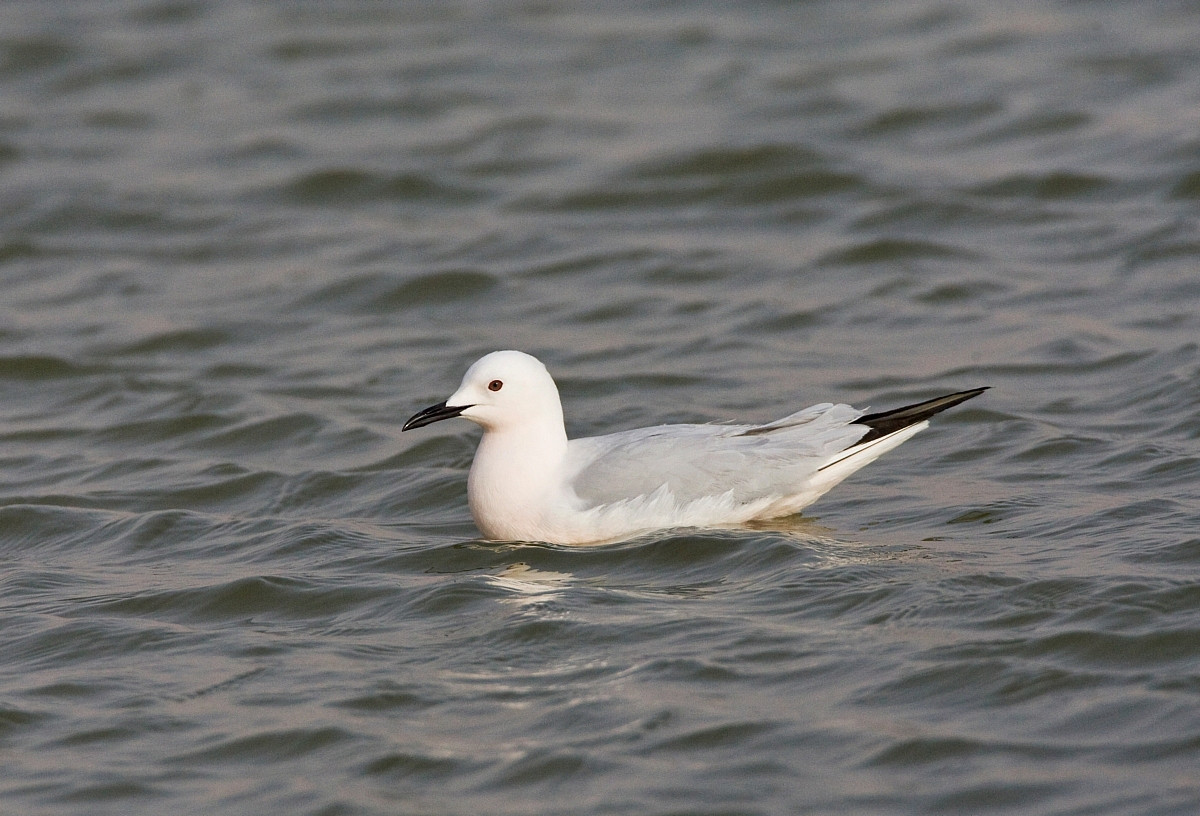
While the Porto di Livorno may not be one of the most interesting hotspots in the city, it is one of the pivotal places in Livorno and may be worth a visit. Throughout the year it is possible to observe the jerzyk blady perhaps the real star of the area. In fact, as well as nesting, the species wintered within the area, one of the very few cases in Europe. Among the water birds that can be observed: śmieszka, mewa cienkodzioba, mewa romańska, mewa czarnogłowa, mewa sródziemnomorska LRcd, rybitwa rzeczna, rybitwa białoczelna, rybitwa czubata. The Port of Livorno is also an interesting hotspot during migrations. Different species of birds such as: ohar, kulik mniejszy, brodziec piskliwy, czapla siwa, warzęcha. A mewa obrożna was also observed in May 2018. Breeders in the harbor are: dymówka, rudzik, muchołówka szara, pokrzewka aksamitna and kos (zwyczajny). Regular winter visitors are: perkoz dwuczuby, kormoran. Here it is also possible to observe kormoran czubaty from time to time.
_________________________
Italiano: Il Porto di Livorno, è il terzo porto Italiano ed uno dei più importanti in Europa. Pur non essendo uno degli hotspot più interessanti nella città, è uno dei luoghi cardine di Livorno e può meritare una visita. Durante tutto l'anno è possibile osservare il jerzyk blady forse la vera e propria star dell'area. Infatti la specie oltre che a nidificare, ha svernato all'interno dell'area, uno dei pochissimi casi in Europa. Fra le specie acquatiche che possono essere osservate: śmieszka, mewa cienkodzioba, mewa romańska, mewa czarnogłowa, mewa sródziemnomorska LRcd, rybitwa rzeczna, rybitwa białoczelna, rybitwa czubata. Il Porto di Livorno a discapito di quello che si pensi è un hotspot interessante pure durante le migrazioni. Nelle aree portuali capita di vedere durante il passo, in volo sul mare diverse specie di uccelli quali: ohar, kulik mniejszy, brodziec piskliwy, czapla siwa, warzęcha. Nel Maggio del 2018 fu pure osservato un mewa obrożna. Nidificanti nel porto sono: dymówka, rudzik, muchołówka szara, pokrzewka aksamitna e kos (zwyczajny). Svernanti regolari sono: perkoz dwuczuby, kormoran. Qua è possibile osservare ogni tanto anche il kormoran czubaty.
Szczegóły
Dostęp
You park near the monument of the 4 moors. Click on the P in the map to get directions. The observation points are shown on the map below.
_________________________
Italiano: Si parcheggia vicino ai 4 mori, i punti di osservazioni verranno riportati sulla mappa.
Teren i siedlisko
Morze , Miasto/wieśWarunki
Trasa dookoła
NieCzy luneta będzie przydatna ?
TakUdany sezon obserwacyjny
Wiosna , Lato , JesieńNajlepszy czas na wizytę
Wiosenne migracjePoziom trudności szlaku pieszego
ŁatwyDostępne
Pieszo , RowerCzatownia/platforma obserwacyjna
NieDodatkowe informacje
Please put the data on the Ornitho.it platform so that observations are not lost and can help ornithologists during their projects. Thanks!
_________________________
Italiano: Si prega di mettere i dati sulla piattaforma Ornitho.it affinchè le osservazioni non vengano perse e possano aiutare gli ornitologi durante i loro progetti. Grazie!


 ) aby wstawić nazwy ptaków w swoim języku ojczystym. Nazwy ptaków zostaną automatycznie przetłumaczone dla innych użytkowników!