Opis
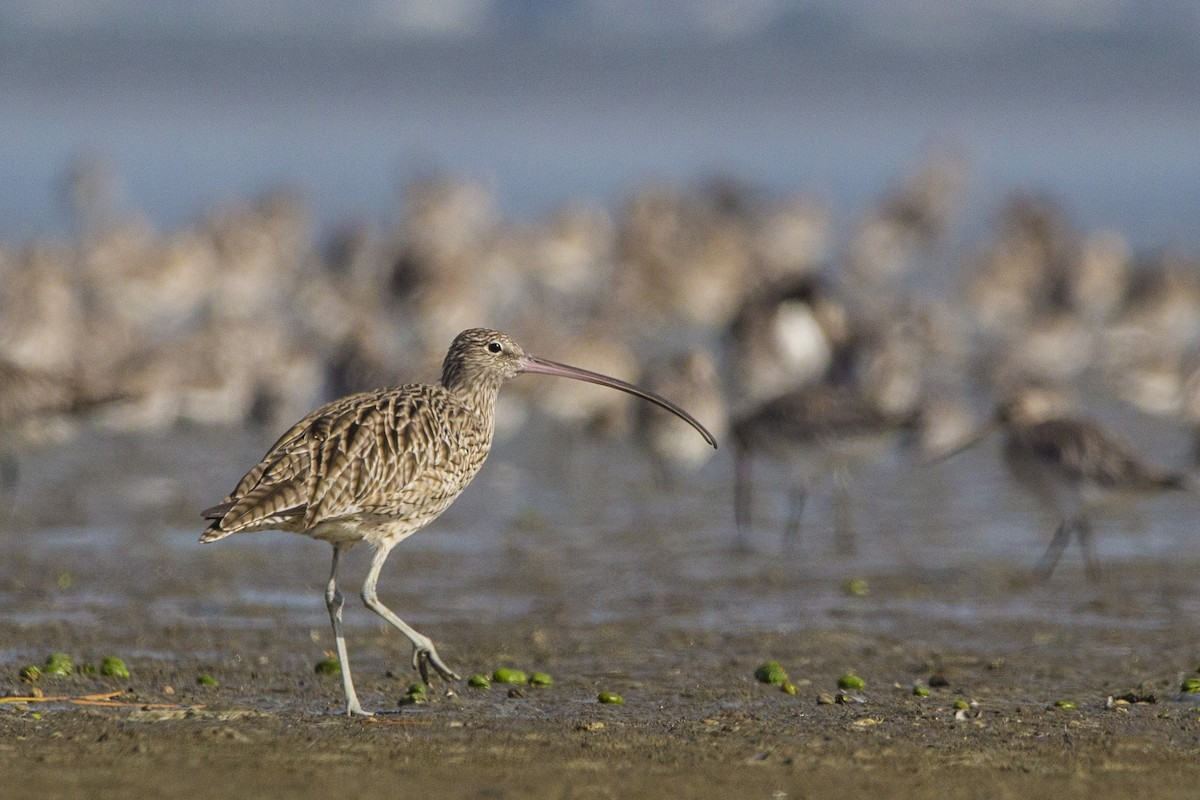
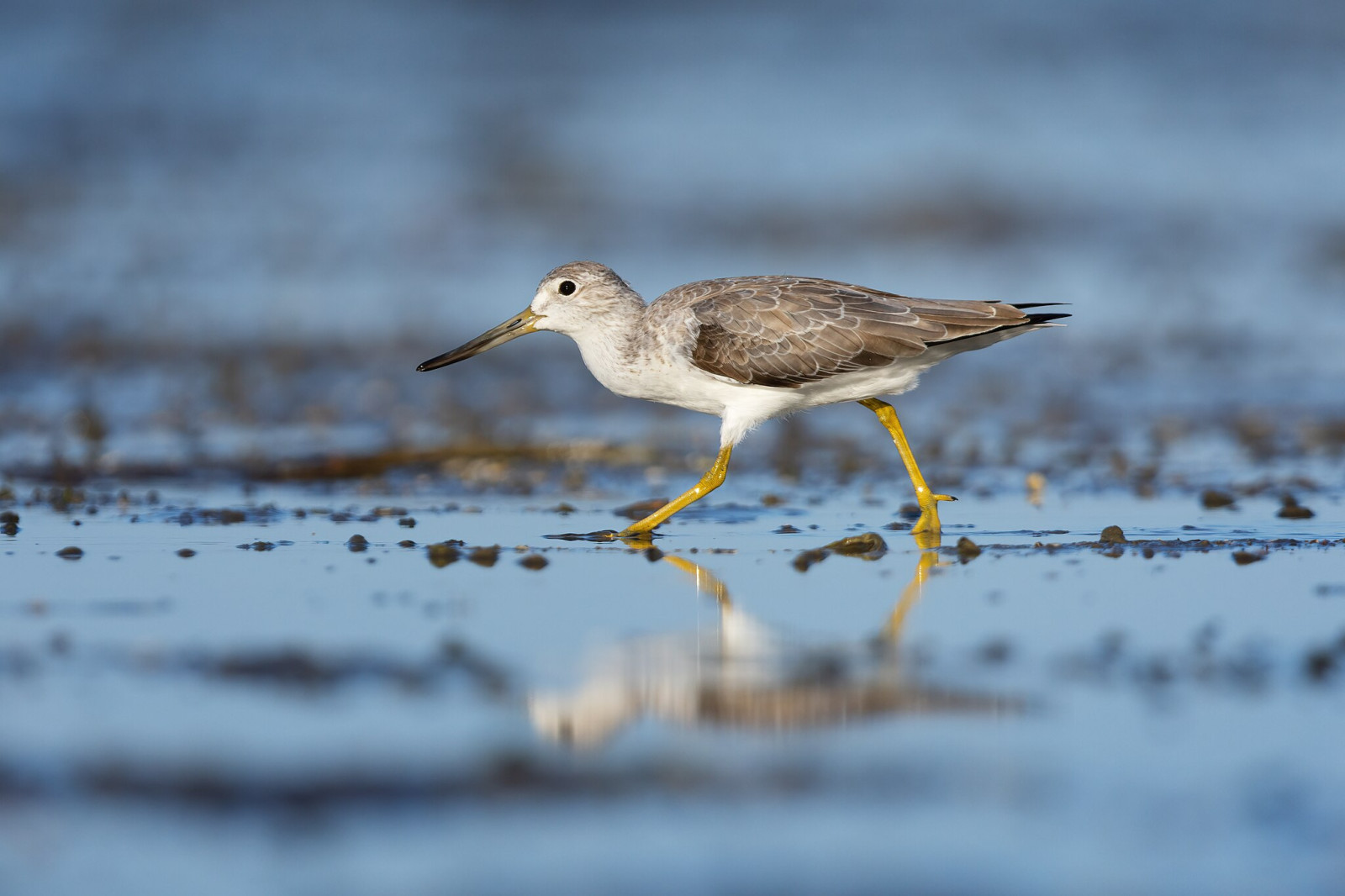
Mai Po Nature Reserve is part of Deep Bay, an internationally significant wetland that is actually a shallow estuary, at the mouths of Sham Chun River, Shan Pui River and Tin Shui Wai Nullah. With its high diversity of wetland habitats including mangroves, gei wai (traditional shrimp ponds), intertidal mudflats and reedbeds, the reserve is an important habitat and staging site for waterbirds. Some 60,000 birds form a spectacular scene as they make their annual winter migration to roost in Deep Bay.
The site is listed under the Ramsar Convention and supports globally important numbers of wetland birds, which chiefly arrive in winter and during spring and autumn migrations. The reserve has the highest number of bird species in Hong Kong through a wide range of habitats, most notably mudflats. More than 400 bird species have been recorded.
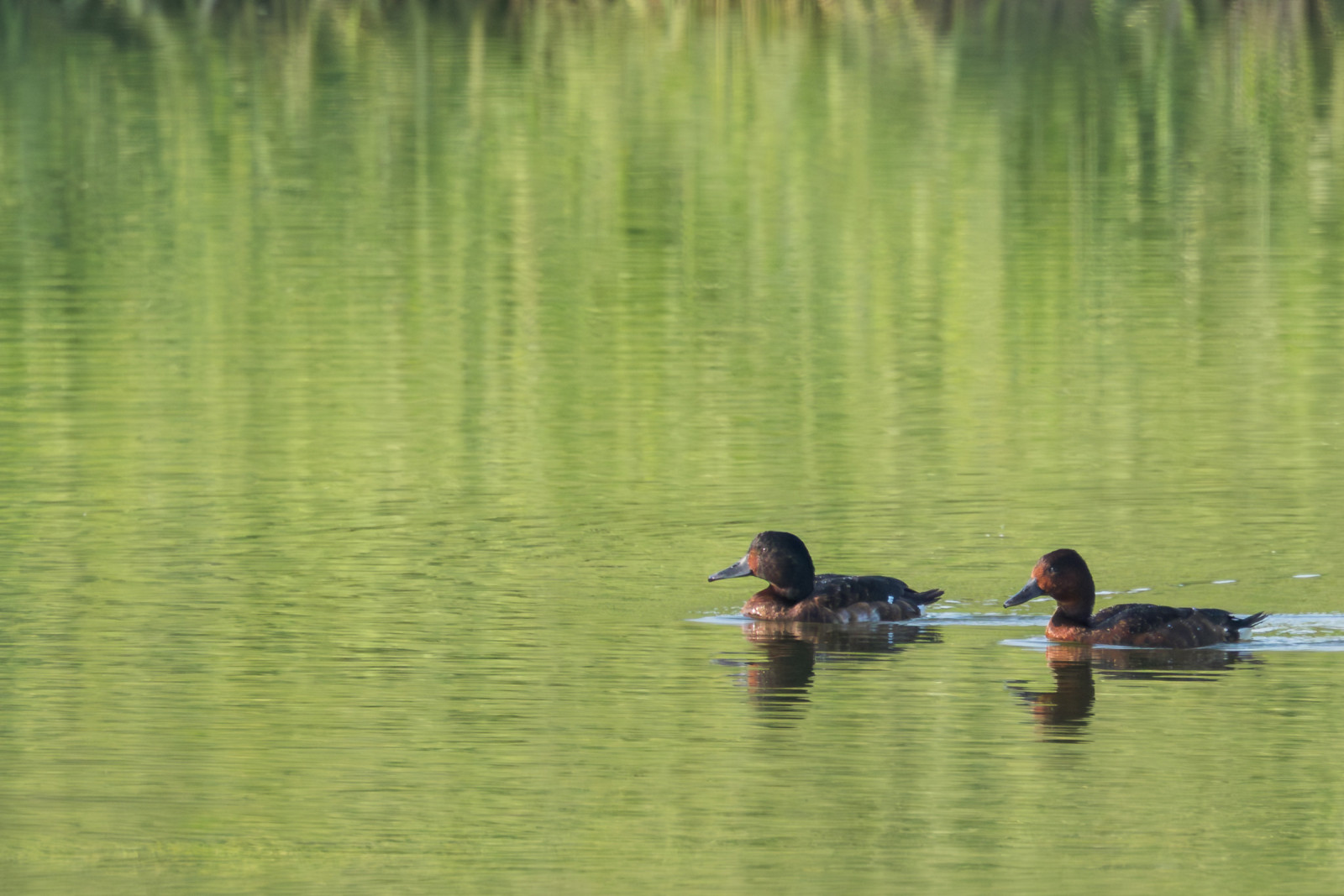
Spring sees many mudflat waders, terns and gulls, breeding buntings and various passerines. Summer is quieter than most months but many birds breed in the reserve, including Greater Painted-snipe. Autumn brings migrating birds and is good for ducks like Garganey with occasional raptor rarities. In winter there are many gulls and also Eurasian Spoonbill.
Szczegóły
Dostęp
Mai Po Nature Reserve sits in the northwestern New Territories of Hong Kong, in the San Tin / Yuen Long District, right on the edge of the Deep Bay wetlands. The entrance for all visitors is the Peter Scott Visitor Centre (also called the Mai Po Visitor Centre). Note: Foreigners require a one day permit from the WWF as of early 2026. Mail to publicvisit@wwf.org.hk for more info. Opening hours of Peter Scott Visitor Centre and Mai Po Education Centre: Daily 9am to 5pm.
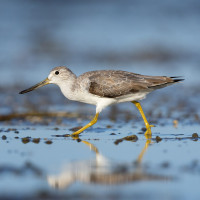
.jpg)
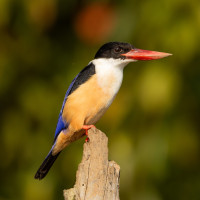

 ) aby wstawić nazwy ptaków w swoim języku ojczystym. Nazwy ptaków zostaną automatycznie przetłumaczone dla innych użytkowników!