
Opis
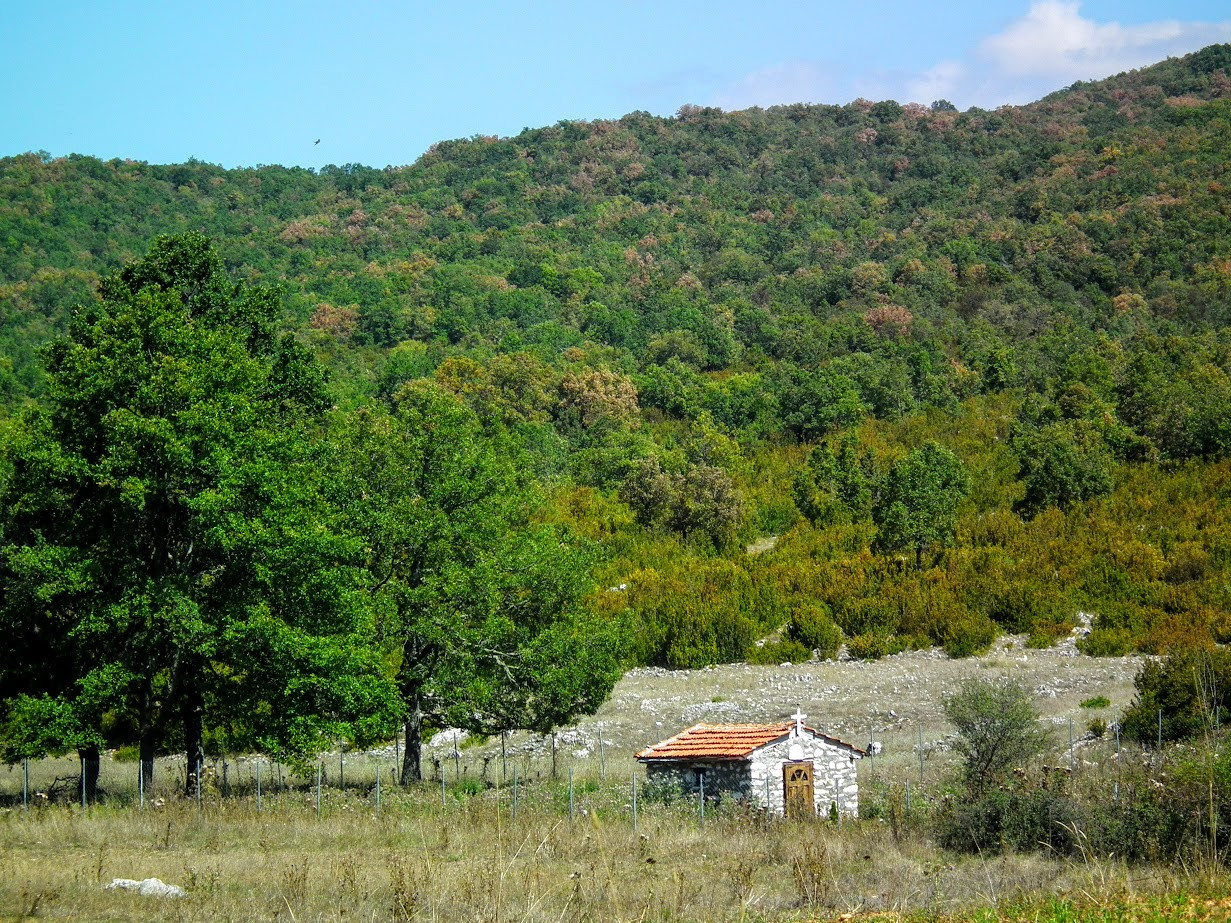
The mountains of the Prespa Lakes National Park are more than 2300 metres high, while the lakes lie at the lowest point of the park, at 850 m a.s.l. The Mikri Prespa is shallow, less than ten metres and reeds-fringed, while the northern Megali Prespa is 55 m deep, cold and rich in fishes.
275 bird species were recorded in the national park, 160 of them breeding in it. One tenth of the global population of pelikan kędzierzawy breed here and can be observed from March to early October. In 2022, the bird flu killed more than 60% of the breeding pelicans at Lesser Prespa Lake, causing the greatest ecological disaster on record for Greek wildlife. The pelikan różowy arrive later, in April-May, and were mostly spared.
The “Prespa Walking Guide” further says that species found here to breed or probably breed at the very edge of their European breeding range are nurogęś (Megali Prespa – relic and isolated population), jarząbek (Mt. Sfika), nagórnik, jarzębatka, brzęczka, łozówka and the trznadel czarnogłowy.
There are 172 species of butterflies recorded within the national park, 24 species of bats, plus the Beech Marten (which I saw only as a road-kill), Otter, Wild Cat, Badger, Wild Boar, Grey Wolf and the European Brown Bear, among others.
Szczegóły
Dostęp
If you are flying to Greece, it is more convenient to fly to Thessaloniki and drive two and a half hours west along the Odos Egnatia motorway, exit for Kastoria (a lovely town – if your time allows, do have a lunch by the lakeside) and continue north to Prespa Lakes. Zoom in on the map and click on the "P" (parking) sign for driving directions.
Teren i siedlisko
Las , Tereny podmokłe , Góry , Jezioro , Rzadkie drzewa i krzewy , ŁąkaWarunki
Górzysty , Pagórkowaty , SkalistyTrasa dookoła
NieCzy luneta będzie przydatna ?
Może być przydatnaUdany sezon obserwacyjny
Wiosna , Lato , JesieńNajlepszy czas na wizytę
WiosnaTrasa
Droga utwardzona , Droga nieutwardzonaPoziom trudności szlaku pieszego
Średnio wymagający spacerDostępne
Samochód , Rower , PieszoCzatownia/platforma obserwacyjna
NieDodatkowe informacje
To be properly explored, Prespa Lakes require at least two days or, better, three, even four days.
The most detailed description of the wider area is to be found in the Birdwatching in Northern Greece (2023) by Steve Mills.
The best topographic maps of the area, accompanied by a walking guide describing 14 nature tours in full detail, can be obtained at the Society for the Protection of Prespa, online or at their HQ in the village of Laimos (Lemos) during working hours; go left at the square with a small park, then right after the bridge.
Linki
- eBird list
- Prespa Lakes National Park, Greece: the largest Dalmatian Pelican colony in the world
- Birding in Greece – Travel Guide to birdwatching sites in Greece (2014, pdf download) by Vlachos, Trigou & Stavrakas


 ) aby wstawić nazwy ptaków w swoim języku ojczystym. Nazwy ptaków zostaną automatycznie przetłumaczone dla innych użytkowników!