

Opis
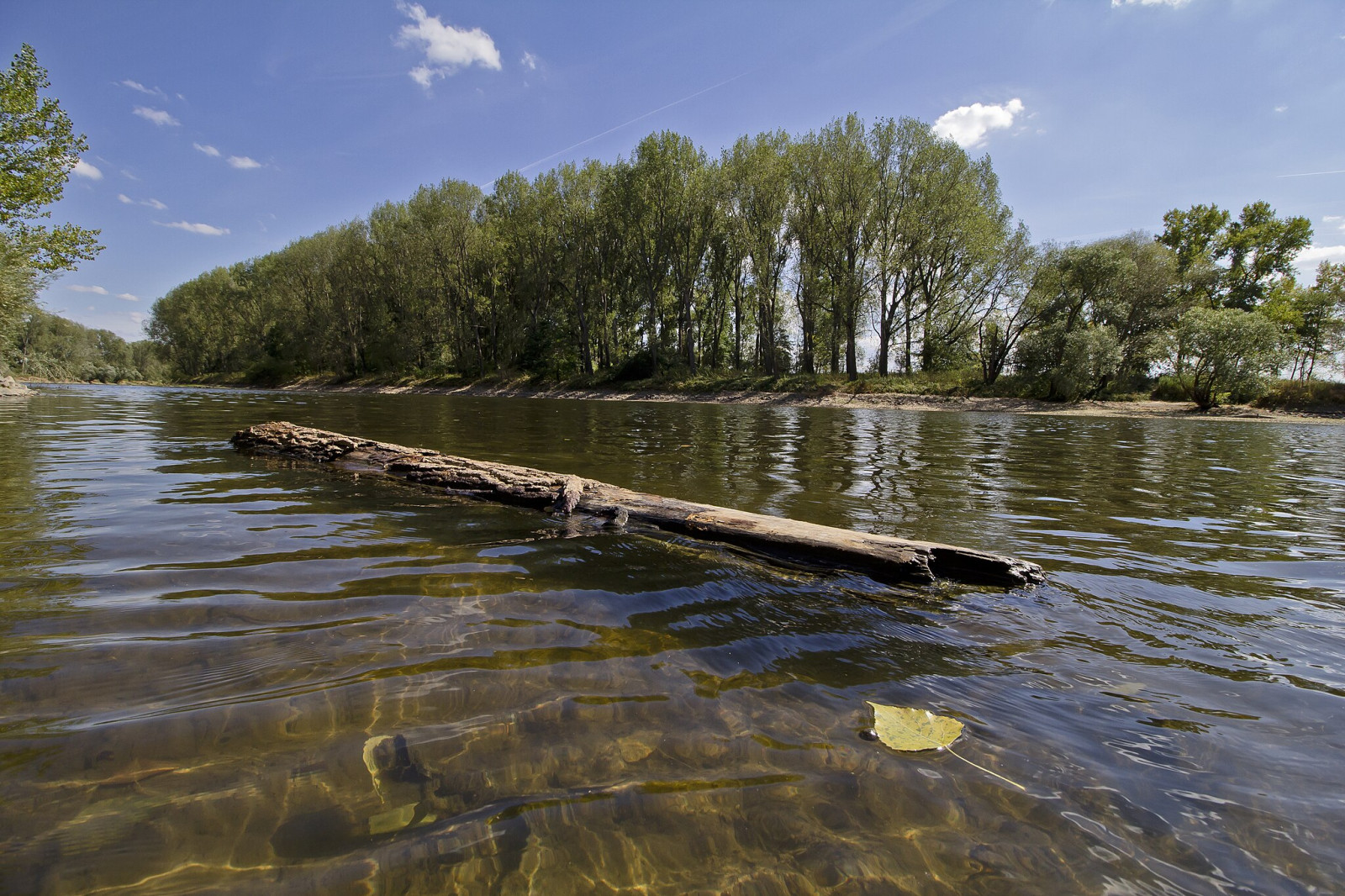
The Siegaue Nature Reserve is an estuary and wetland area along the east bank of the Rhine River, not far from central Bonn. The area has small shrubs, poplar forests and riparian forest remnants as well as embedded oxbow lakes and grasslands. Paved and gravel paths run along wetlands and farmland, with some sections along the river, and some wooded areas. There are signposts with maps near entry points. Among the birds you can encounter are pliszka górska, kukułka, wilga (zwyczajna), słowik rdzawy, cierniówka, gajówka, zimorodek, dzięcioł średni, dzięcioł zielony, trznadel, aleksandretta obrożna, łozówka and trzcinniczek (zwyczajny).
Szczegóły
Dostęp
The Siegaue Nature Reserve (NSG) is located in the town of Niederkassel between the cities of Bonn, Sankt Augustin and Troisdorf. Click on the P in the map for directions to a parking. From there you can make a 6 km circular walk around the area.
Teren i siedlisko
Las , Tereny podmokłe , Rzadkie drzewa i krzewy , Łąka , RzekaWarunki
Płaski , Otwarty krajobraz , Możliwy wysoki poziom wodyTrasa dookoła
TakCzy luneta będzie przydatna ?
Może być przydatnaUdany sezon obserwacyjny
Przez cały rokNajlepszy czas na wizytę
WiosnaTrasa
Szeroka ścieżka , Wąski szlakPoziom trudności szlaku pieszego
ŁatwyDostępne
PieszoCzatownia/platforma obserwacyjna
NieDodatkowe informacje
Photo Siegaue by Akarnuth, CC BY-SA 4.0, https://creativecommons.org/licenses/by-sa/4.0, via Wikimedia Commons.


 ) aby wstawić nazwy ptaków w swoim języku ojczystym. Nazwy ptaków zostaną automatycznie przetłumaczone dla innych użytkowników!