

Opis
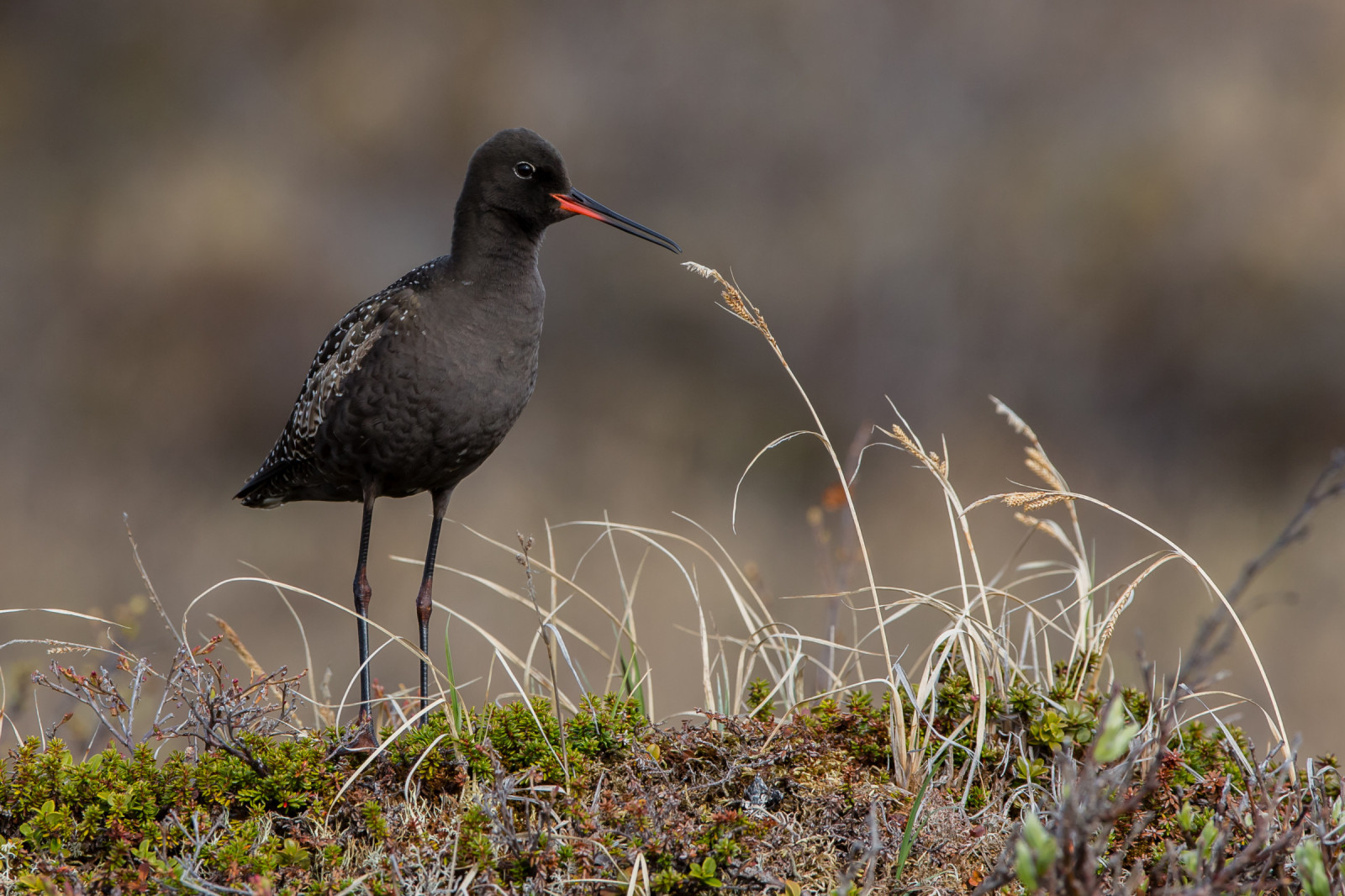
Étang de Parroy is interesting in spring for its nesting birds bączek, czapla purpurowa, cyranka, trzciniak, łozówka, rokitniczka, błotniak stawowy, gęgawa, krakwa, podróżniczek and wodnik (zwyczajny).
During migration the lake is interesting for shorebirds when the pond empties at the end of summer czajka, siewnica, sieweczka obrożna, kulik wielki, biegus krzywodzioby, biegus mały, biegus zmienny, biegus malutki, kszyk, brodziec piskliwy, samotnik, brodziec śniady, kwokacz, łęczak and krwawodziób.
And in winter for its wintering waterbirds gęgawa, gęś białoczelna, gęsiówka egipska, świstun, cyraneczka, hełmiatka, głowienka, czernica, gągoł, bielaczek, nurogęś and perkoz dwuczuby.
________________________
Français: Étang ancien servant de réservoir pour le canal de la Marne au Rhin et doté d'une importante roselière sur toute sa partie nord. Cet étang est intéressant au printemps pour ses oiseaux nicheurs bączek, czapla purpurowa, cyranka, trzciniak, łozówka, rokitniczka, błotniak stawowy, gęgawa, krakwa, podróżniczek, wodnik (zwyczajny).
En migration pour les limicoles quand l'étang se vide en fin d'été czajka, siewnica, sieweczka obrożna, kulik wielki, biegus krzywodzioby, biegus mały, biegus zmienny, biegus malutki, kszyk, brodziec piskliwy, samotnik, brodziec śniady, kwokacz, łęczak, krwawodziób.
Et en hiver pour ses oiseaux d'eau hivernants gęgawa, gęś białoczelna, gęsiówka egipska, świstun, cyraneczka, hełmiatka, głowienka, czernica, gągoł, bielaczek, nurogęś, perkoz dwuczuby.
Szczegóły
Dostęp
Étang de Parroy is located 15 km northeast of the town of Lunéville and just west of the village of Parroy. The ideal is to park in the Bures sailing car park (accessible from the village) then continue on foot along the path that leads to the observatory. Press a P on the map for directions.
________________________
Français: L'étang de Parroy est situé à 15 km au nord-est de la ville de Lunéville et juste à l'ouest du village de Parroy. L'idéal est de se garer sur le parking de la base de voiles de Bures (accessible depuis le village) puis de continuer à pied le long du sentier qui mène à l'observatoire.



 ) aby wstawić nazwy ptaków w swoim języku ojczystym. Nazwy ptaków zostaną automatycznie przetłumaczone dla innych użytkowników!