
Opis
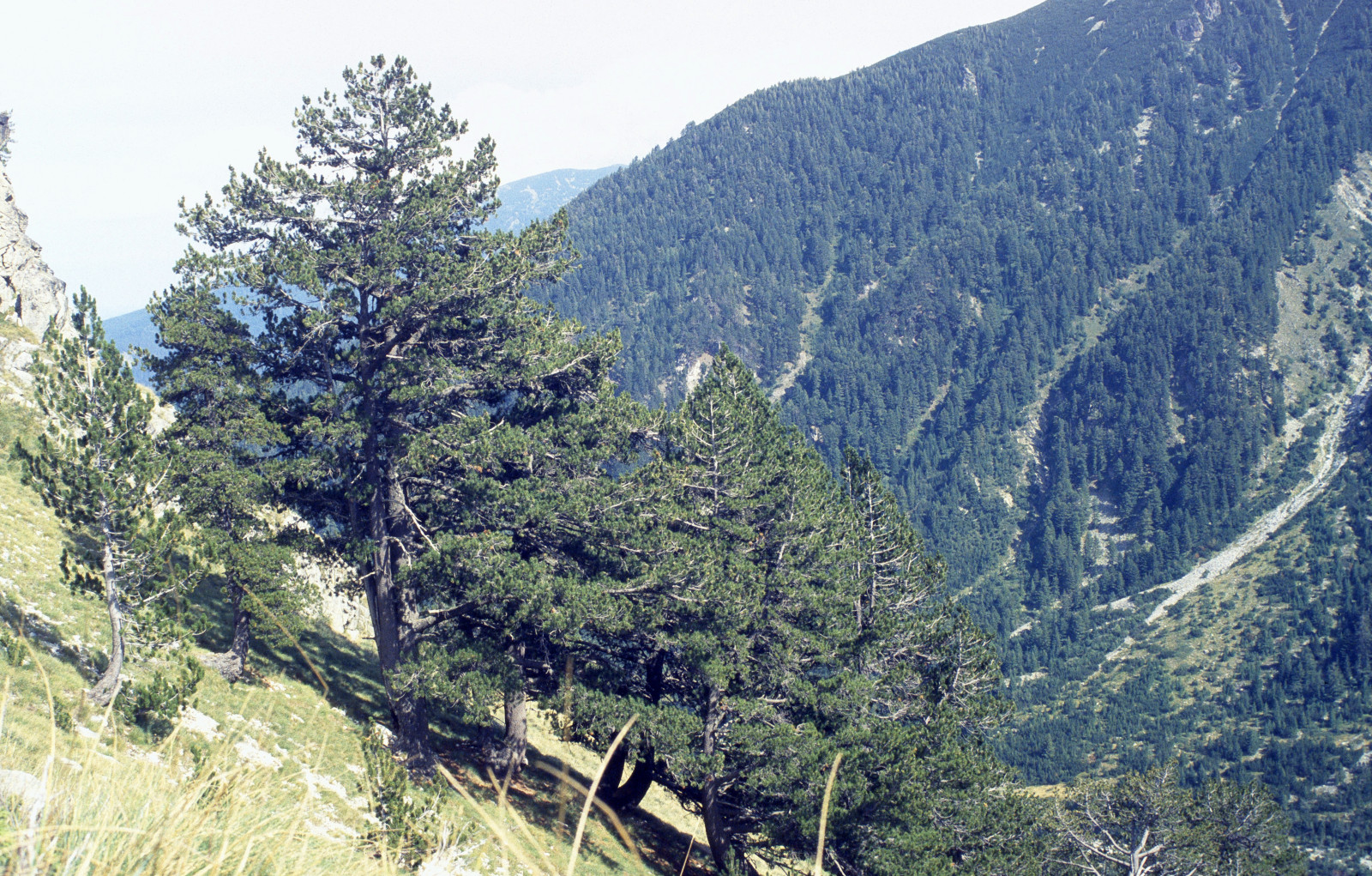
A river valley high in the Pirin (Пирин) Mountains between Vihren (2914 m) and Todorin Vrah (2746 m), this site holds an excellent range of alpine and subalpine birds. Above the 2,300-2,400 m tree line, the grassy slopes have orzeł przedni, wieszczek, kruk, płochacz halny, siwerniak, górniczek (the Balkan subspecies balcanica with extensive black on the throat, a likely future species split), drozd obrożny (alpine subspecies alpestris), głuszek and if you are lucky, pomurnik.
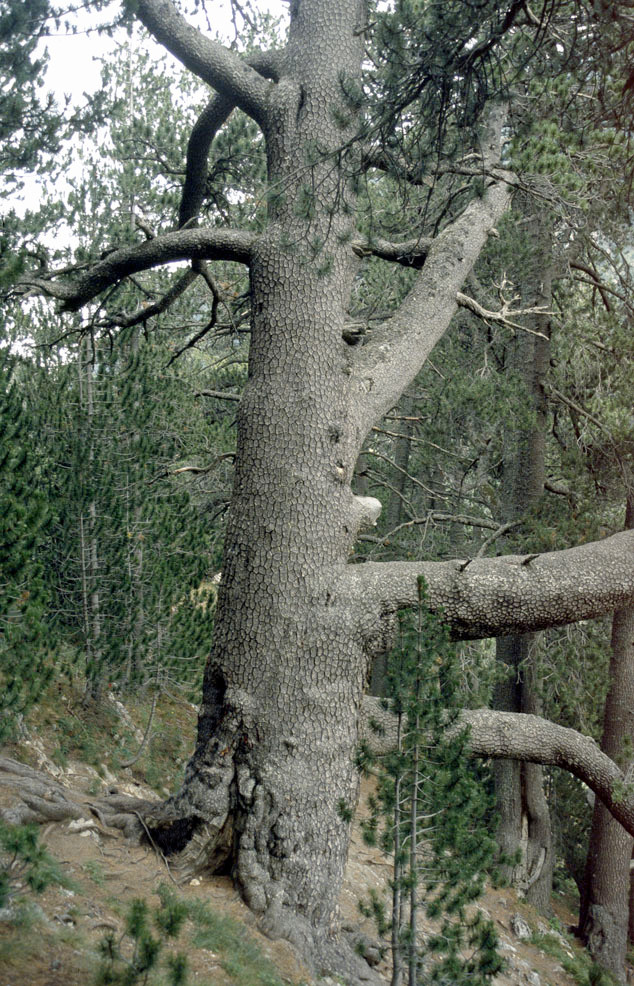
The mixed conifer forests are important for orzechówka (zwyczajna) (look for them collecting seed from Macedonian Pine [Pinus peuce] cones), krzyżodziób świerkowy (on my visit, two different forms, one small-billed, feeding on Norway Spruce [Picea abies] cones, the other large-billed and closely resembling krzyżodziób sosnowy, feeding on Balkan endemic Bosnian Pine [Pinus heldreichii] cones), czarnogłówka (zwyczajna) (the alpine subspecies montanus), dzięcioł zielonosiwy, dzięcioł czarny, mysikrólik, zniczek, pełzacz leśny and czubatka. The alpine chalets hold breeding jerzyk blady and jaskólka skalna, both of which feed widely over the valley, and kopciuszek.
Lower down, the mixed woodland around Bansko holds dzięcioł średni (which can even be seen in parks and gardens in Bansko) and pełzacz ogrodowy. Also look for passage migrants like zaganiacz and świstunka leśna. Open areas have wrona siwa, kulczyk, and cierlik as well as trznadel. Overhead, jaskółka rudawa feed together with more familiar oknówka and dymówka. The river holds pluszcz and pliszka górska along its full length.
Szczegóły
Dostęp
The mountain resort of Bansko (Банско) has an excellent range of accomodation and can be reached easily by train or bus from the capital Sofia. From Bansko, the best option is to hire a taxi to either the Banderitsa Chalet (Хижа Бъндерица, 14 km) or Vihren Chalet (Хижа Вихрен, 16 km), where you can also stay to explore the area, or walk along the many footpaths back to Bansko.
Teren i siedlisko
Las , Góry , Kanion/klif , Rzadkie drzewa i krzewy , Łąka , Dolina , Tundra , Rzeka , Miasto/wieśWarunki
Górzysty , Otwarty krajobraz , Skalisty , PagórkowatyTrasa dookoła
NieCzy luneta będzie przydatna ?
NieUdany sezon obserwacyjny
Wiosna , Jesień , LatoNajlepszy czas na wizytę
Jesień , Wiosna , LatoTrasa
Droga utwardzona , Szeroka ścieżka , Droga nieutwardzona , Wąski szlakPoziom trudności szlaku pieszego
ForsownyDostępne
Pieszo , SamochódCzatownia/platforma obserwacyjna
NieDodatkowe informacje
My visit was in autumn, after most summer visitors had left. If there are other good species to be seen here in spring or summer, please leave a note below and I will add the details!
As well as the many birds, the site holds occasional Brown Bear and Wolf. It is botanically very rich, including the famous 'Байкушевата мура' ('Baikushev's pine'), an ancient Черна мура / Bosnian Pine (Pinus heldreichii) estimated to be over 1,300 years old, one of the oldest trees in the whole of Europe.
Thanks to Stivi Musievski for tips on additional birds that can be found here.
Gallery photo below of orzechówka (zwyczajna) in the Banderitsa Valley by Amkramer, creative commons cc-by-4.0 license, from iNaturalist via Wikimedia Commons.



 ) aby wstawić nazwy ptaków w swoim języku ojczystym. Nazwy ptaków zostaną automatycznie przetłumaczone dla innych użytkowników!