.JPG)
.JPG)
Opis
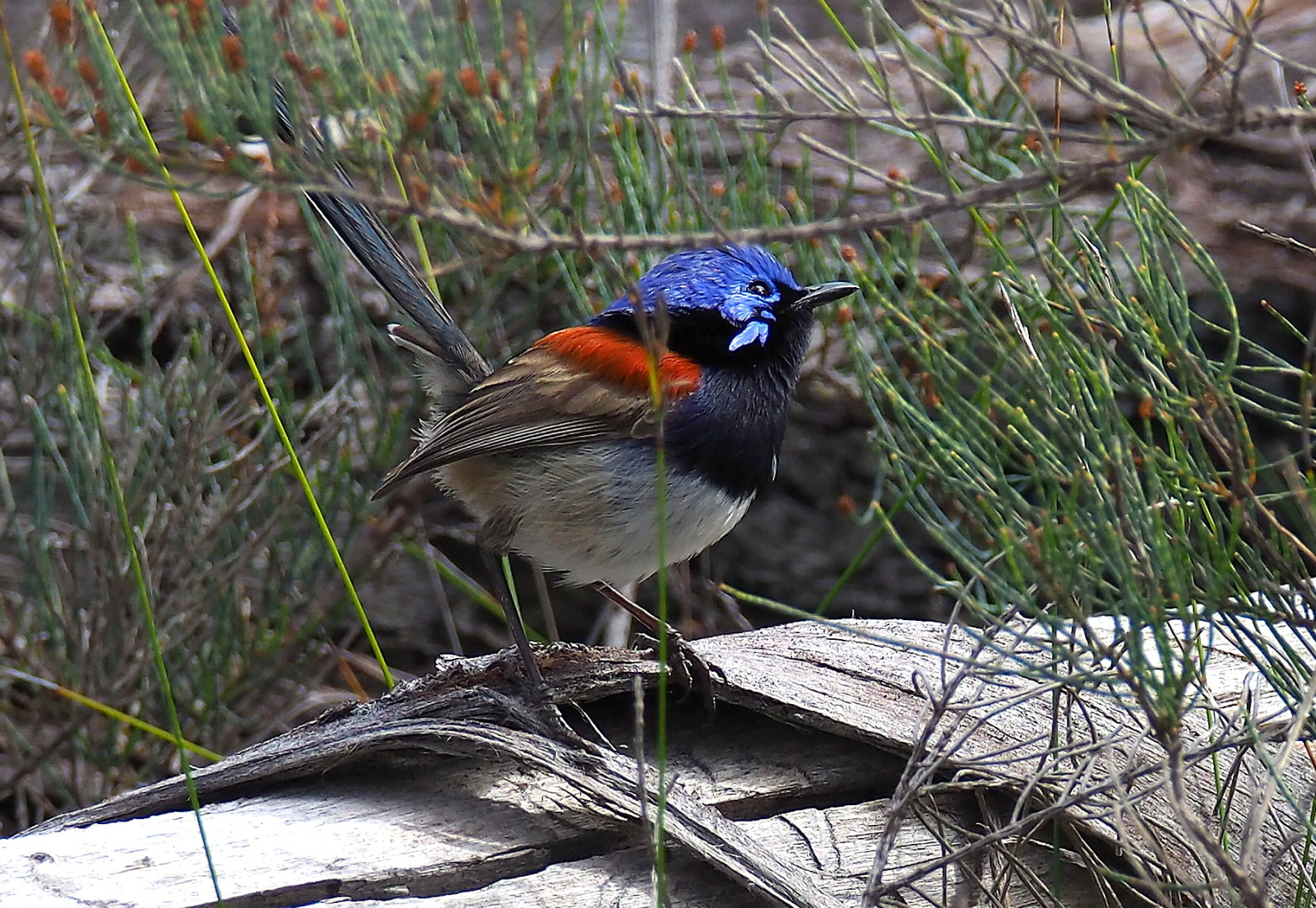
Eyre Bird Observatory (EBO) is an iconic WA site. Renowned for its Pink Cockatoos, this is a very remotely located place. Established in 1977 by BirdLife Australia, the EBO is Australia’s first bird observatory, providing a base for the study and enjoyment of the birds of the area.
Nestled between the arid Nullarbor Plain to the north and the coastal waters of the Great Australian Bight to the south, the observatory is in one of the least populated places on the continent but home to over 240 species of birds – many of them rare and endangered.
The Observatory is a lovely old stone building nestled between leafy woodlands and striking white dunes within walking distance of the beach. It was built in 1897 to serve as a telegraph station on the Intercolonial Telegraph Line (South Australia to Western Australia). It is located near the site where explorer Edward John Eyre found water during his overland journey from Adelaide to Albany in 1841. The station was deserted in 1930 and remained so until its restoration in 1977.
The building now incorporates a fine natural history library and a small museum, which provides some history of the Eyre Telegraph Station and the telegraph line. It also contains information and displays on the coastal environments, including past activities such as whaling.
Szczegóły
Dostęp
The turnoff from the Eyre Highway to the observatory is 17 km east of Cocklebiddy. The unsealed access road, which is suitable for two-wheel drive, will take you to a lookout near the edge of the scarp. The descent down the scarp and last 10 km of the track to the observatory is suitable for four-wheel drive vehicles only. If possible four-wheel drivers should deflate their tyres to 20-25 psi to avoid damage to the sandy track. Observatory caretakers will ferry overnight guests (bookings essential) who have two-wheel drive vehicles from the lookout to the observatory by prior arrangement. Two-wheel drive vehicles, trailers, and caravans must be left at the lookout. See the links below for more info.

 ) aby wstawić nazwy ptaków w swoim języku ojczystym. Nazwy ptaków zostaną automatycznie przetłumaczone dla innych użytkowników!