Opis
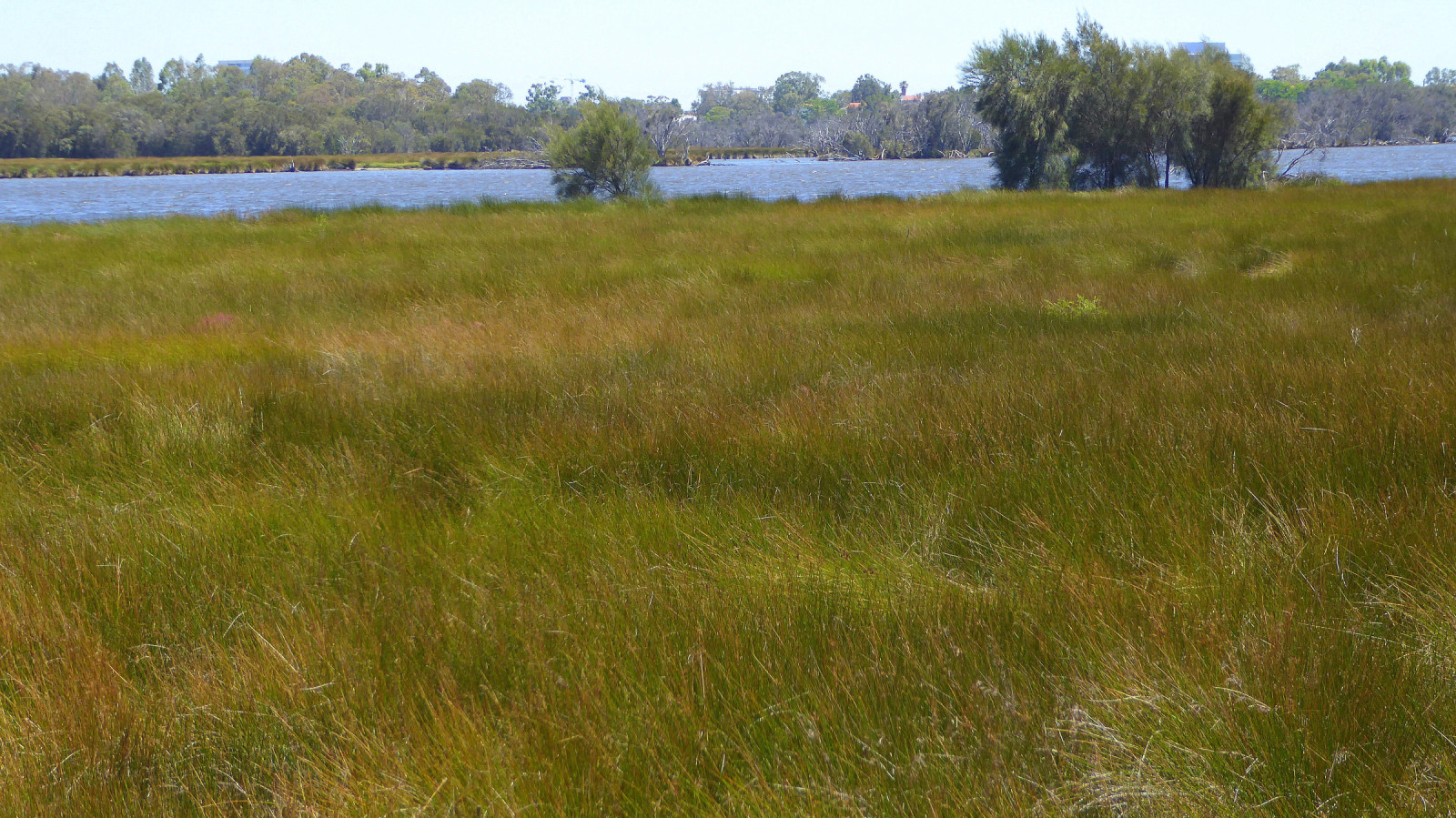
For a fairly small reserve, and only five kilometres from the Perth CBD, Baigup Wetlands holds a good variety of birds, both bush birds and waterfowl, with some coastal birds thrown in. Over 100 species are recorded for the site and the regular quarterly surveys usually count between 40 and 50 species for each survey.
Szczegóły
Dostęp
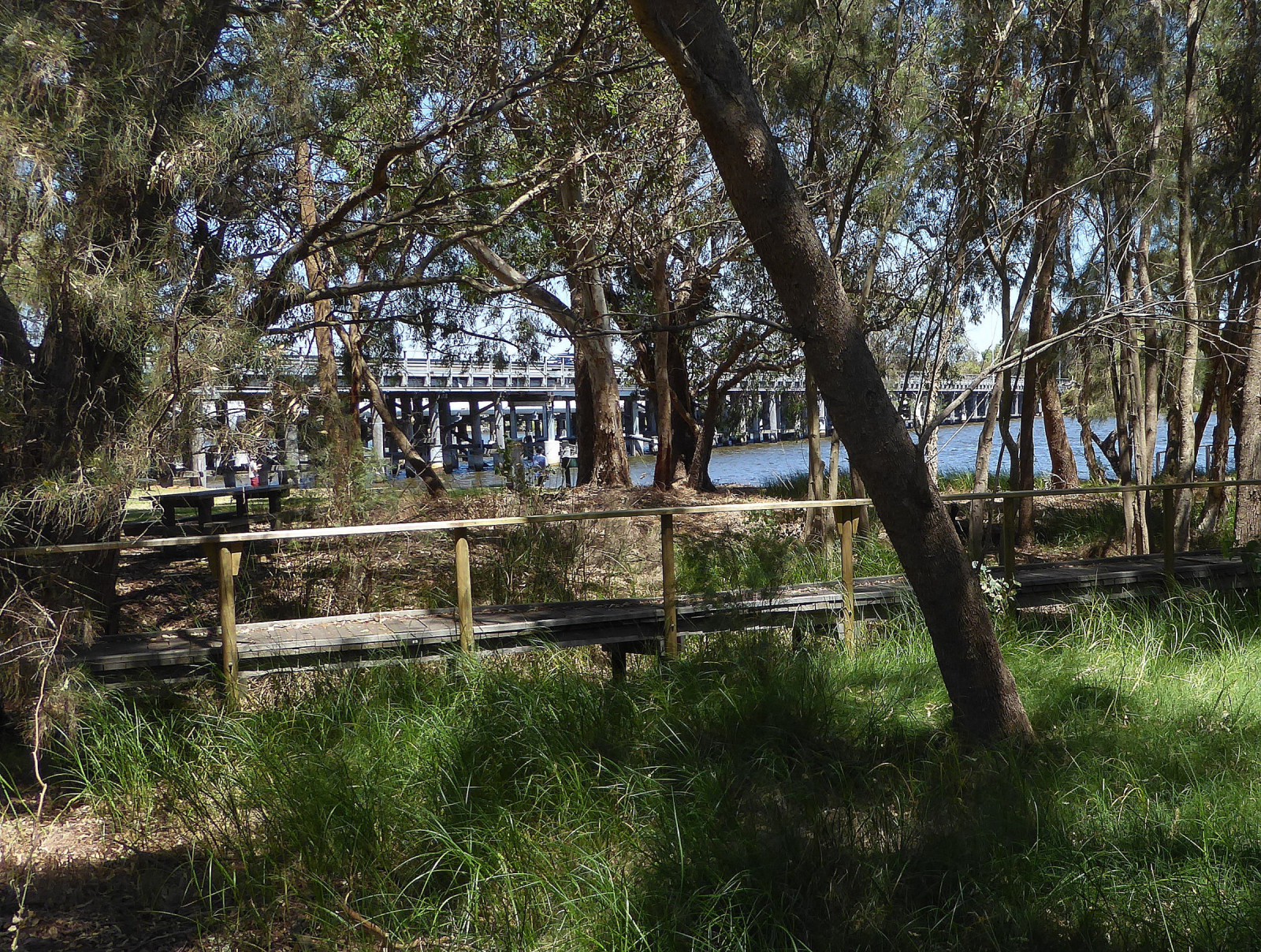
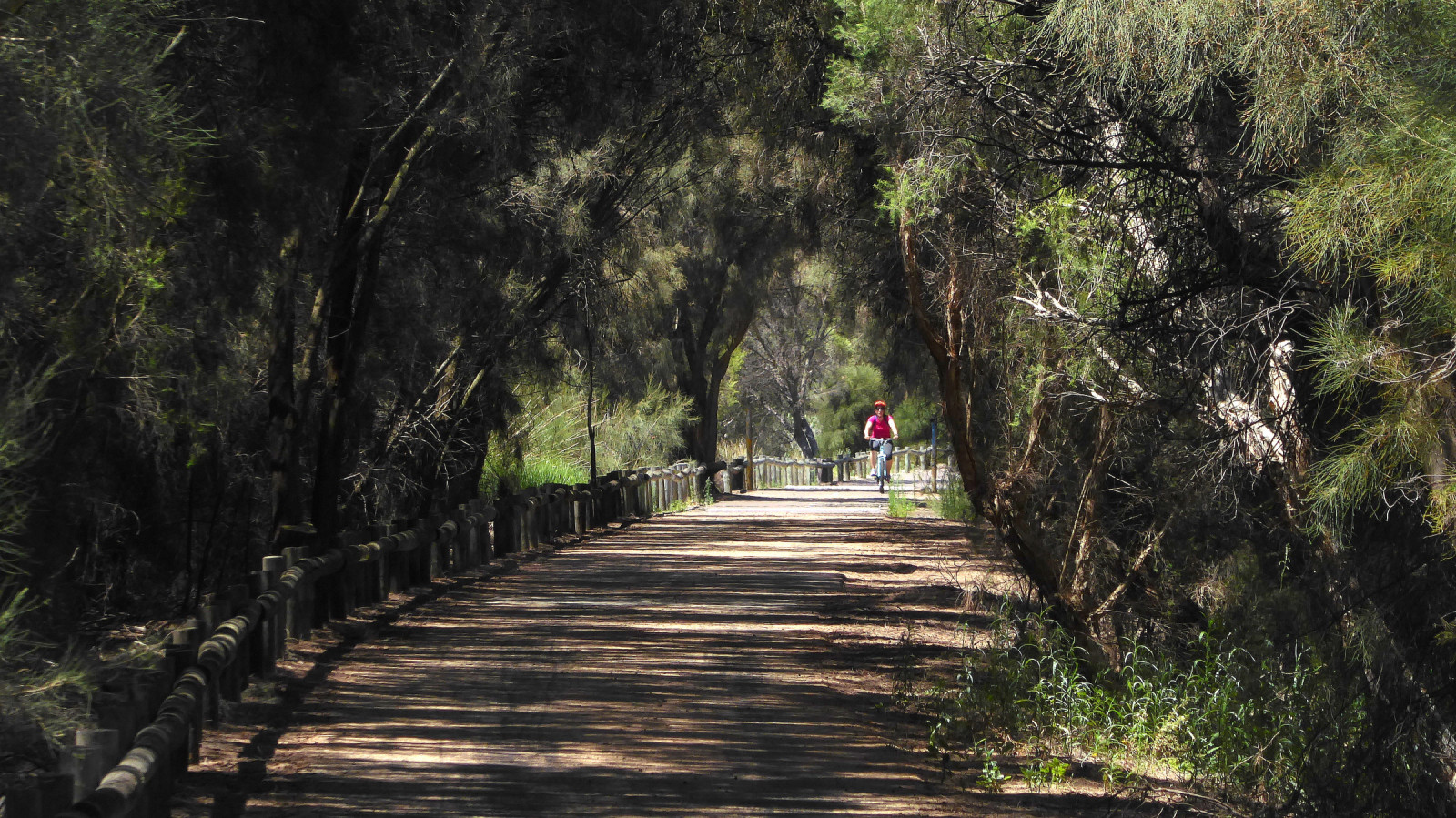
Baigup Wetlands is located along the Swan River in Perth. Access is from the Kelvin Street/Swan View Terrace junction in Maylands (limited street parking only) or from A.P. Hinds Reserve (enter from car park at the end of Milne Street). Press a P on the map for directions to a parking spot. A joint use walkway/cycle path runs from the car park, under Garratt Road Bridge and right through the reserve to Kelvin Street.
The circular walking route shown on the map is about 2,5 km.
Teren i siedlisko
Tereny podmokłe , Rzeka , Trzcinowiska , Jezioro , BłotaWarunki
PłaskiTrasa dookoła
TakCzy luneta będzie przydatna ?
NieUdany sezon obserwacyjny
Przez cały rokNajlepszy czas na wizytę
WiosnaTrasa
Droga utwardzona , Droga nieutwardzonaPoziom trudności szlaku pieszego
ŁatwyDostępne
Rower , Samochód , Wózek inwalidzki , PieszoCzatownia/platforma obserwacyjna
NieDodatkowe informacje
Prior to European settlement the vegetation at the Reserve would likely have supported sedgeland in the low-lying floodplain with the more permanently wet areas supporting a Swamp Paperbark woodland with an understorey of sedges. A community of Flooded Gum would likely have occurred close to the river at either end of the Reserve where the floodplain narrows. In the upland areas of the Reserve there would likely have been a Marri-Banksia woodland.
The key vegetation element of Baigup Wetlands is the coastal salt marsh community which is listed under the Environment Protection and Biodiversity Conservation Act 1999 Act as a Threatened Ecological Community (TEC) ‘Subtropical and Temperate Coastal Saltmarsh’. Subtropical and Temperate Coastal Saltmarsh occurs within a relatively narrow margin of the Australian coastline within the subtropical and temperate climate zones. The physical environment for this community is coastal areas under regular or intermittent tidal influence. It typically is restricted to the upper intertidal environment.
This TEC was likely once present throughout much of the Swan River Estuary; however, it has probably declined in the area by over 50 %.
 ) aby wstawić nazwy ptaków w swoim języku ojczystym. Nazwy ptaków zostaną automatycznie przetłumaczone dla innych użytkowników!