

Description
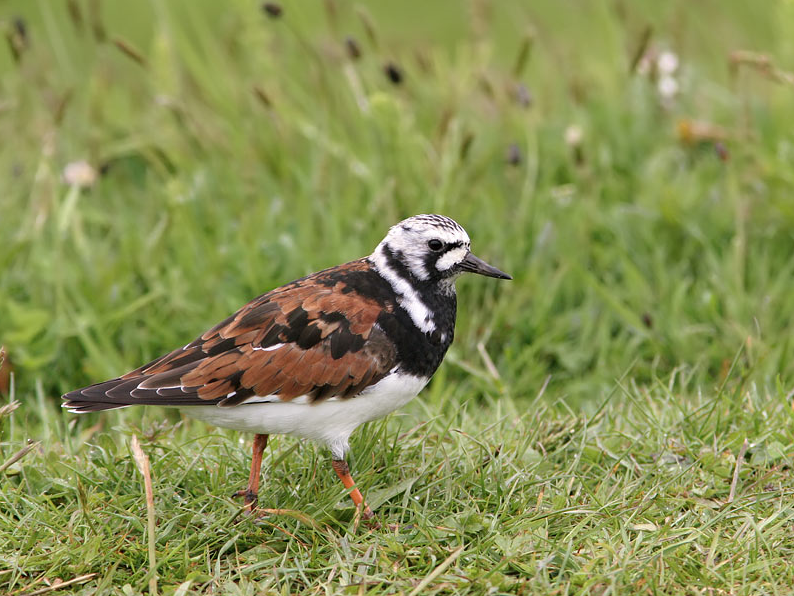
Hammarö Sydspets is the southern tip of Hammarö in the huge Lake Vänern. Hammarö's location, in the form of a protruding headland to the south, means that it acts as a funnel that gathers birds that move south during the autumn. The south stretch over the cape runs with varied intensity from June and throughout the autumn. When the conditions are right, you can see flocks of birds in wave after wave pulling out over Lake Vänern. The area has a wide range of environments: rocky beaches, forests, beach meadows and reed bays. Halfway to the southern tip there is an information building and platform for bird watching. An excellent lookout point to see some of the migratory birds passing by. Among the birds you can see in the area are Båndkorsnebb, Tretåspett, Havørn, Storlom, Laksand, Siland, Tårnseiler, Steinvender and Svartspett.
Details
Access
The southern tip of Hammarö is the easiest way to get by car. From Karlstad drive Hammaröleden, take a left at the roundabout at Nolgård. Follow Lövnäsleden 2.7 km, turn right onto Hallerudsleden towards Takene. Then follow the road about 7 km south, to the four-way intersection at Takene and continue straight ahead. The blue signs lead the last 1.2 km to the parking lot for Hammarö south tip.. The place is wheelchair friendly.
On the southern tip of Hammarö there are nice hiking trails and rest areas that are easy to find and get around. From the parking lot it is about 800 meters walk out to the southern tip and Skage lighthouse with magnificent views of Lake Vänern. Along the way you find the platform for bird watching.
Terrain and Habitat
Lake , Beach , ForestConditions
Open landscape , FlatCircular trail
YesIs a telescope useful?
Can be usefulGood birding season
Spring , Autumn , SummerBest time to visit
Autumn migrationRoute
Unpaved roadDifficulty walking trail
EasyAccessible by
Foot , Bicycle , WheelchairBirdwatching hide / platform
NoExtra info
To follow and document the extensive bird range, Hammarö bird station was formed in the 1960s, which has since conducted stretch bird counting and ringing on the cape. The bird station is run non-profit by Karlstad Ornithological Association.


 ) to insert bird names in your own language. The birdnames will automatically be translated for other users!