
Description
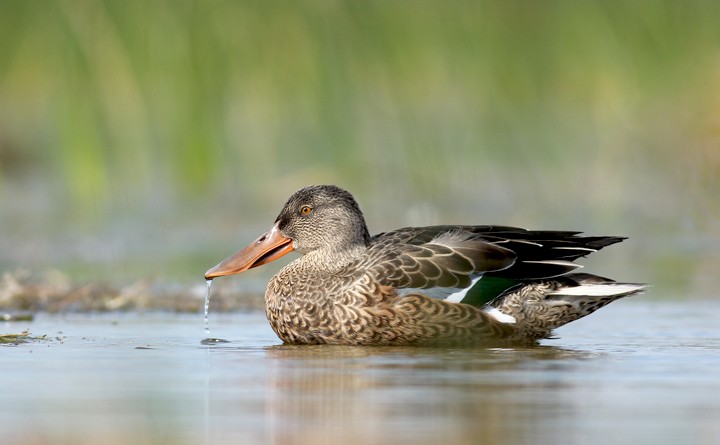
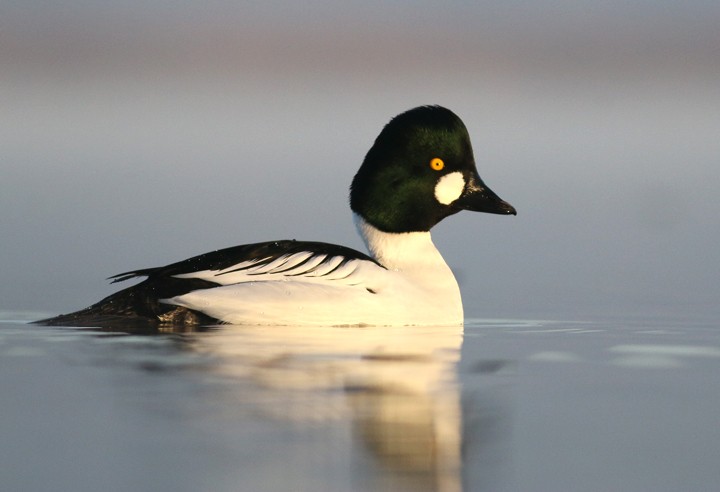
Lake Ptuj is very important for wintering birds and also represents an important resting place for migratory birds. Many duck species can be observed on the lake – from Kvinand and Stjertand to the rare Bergand and Havelle. Occasionally the Svartand and Sjøorre. Lake Ptuj is the most important wintering place for the Lappfiskand in Slovenia, who can often be accompanied by the Laksand and rarely the Siland. The diversity of gulls is especially high at the time of migration. The Dvergdykker, Toppdykker and Svarthalsdykker can regularly be observed here, whereas the Gråstrupedykker is rarely to be seen. In winter time we can also spot the Storlom and Smålom. Flocks of Storskarv, in which Dvergskarv is frequently present, sit on various structures on the lake. Many fields that are surrounding the lake give us the possibility to observe various birds bound to this type of habitat as well. In addition to the Makrellterne, the artificial islands on the lake also represent the nesting ground for a large Hettemåke colony and individual pairs of the Svartehavsmåke.
Details
Access
You get off the train at the Ptuj train station. To get to the lake you have to go towards river Drava, which we crossed a few moments before with the train. By passing an avenue and going through a smaller park we reach the river bank. We continue west, past a round tower towards the pedestrian bridge. You cross the bridge and begin your walk around the lake (10 km) on an embankment. If you visit the lake in a spring or summer morning, your walk should start on the left side of the lake, due to light conditions.
Terrain and Habitat
LakeConditions
FlatCircular trail
YesIs a telescope useful?
YesGood birding season
Autumn , Spring , WinterBest time to visit
WinterRoute
Wide pathDifficulty walking trail
EasyAccessible by
Foot , Bicycle , CarBirdwatching hide / platform
YesExtra info
In spring various species of orchids grow on dry meadows that can be found on the southern side of the embankment, among which the three-toothed orchid and the pyramidal orchid are the most numerous.



 ) to insert bird names in your own language. The birdnames will automatically be translated for other users!