.jpeg)
Description
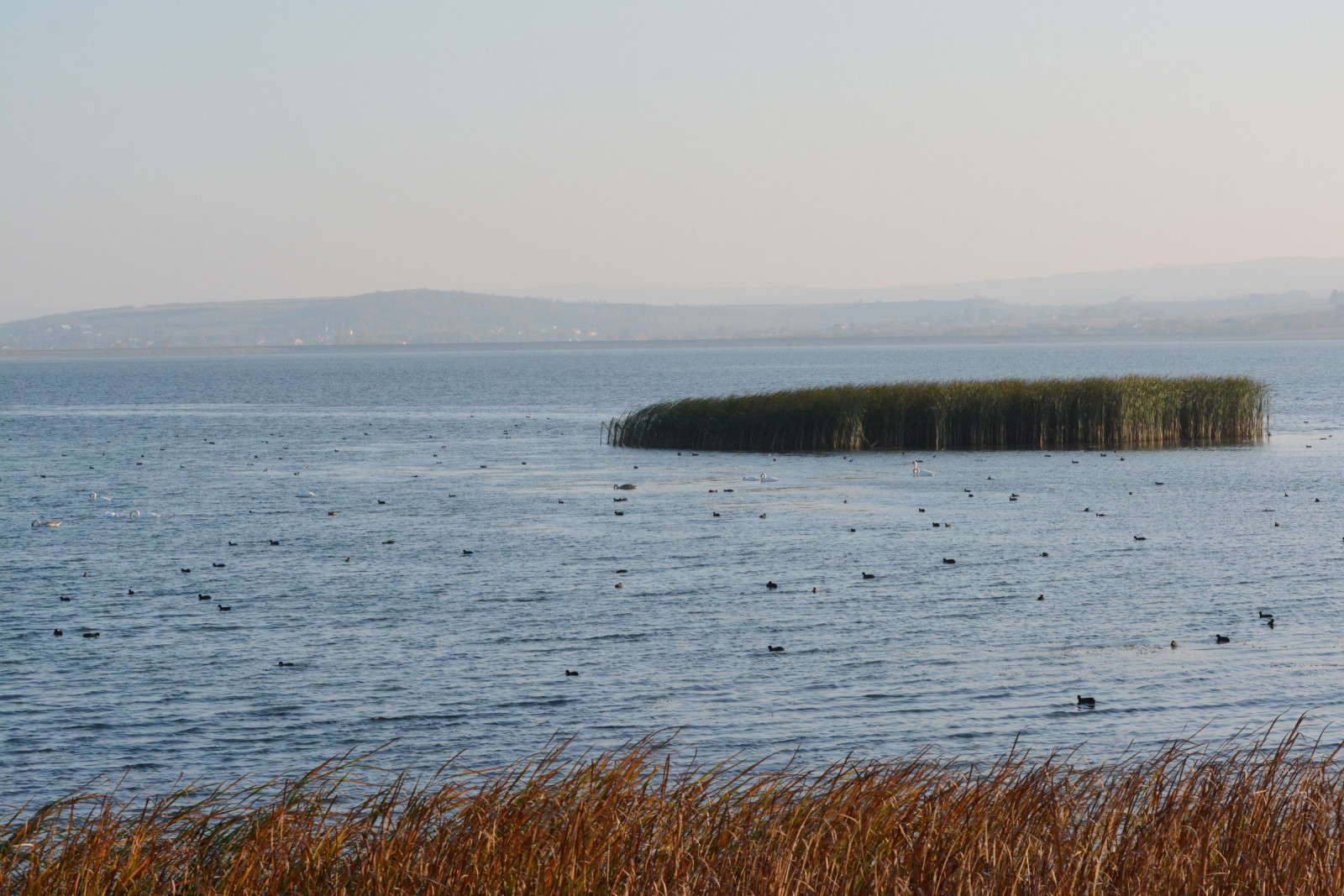
The lake has large surfaces of water and reed that offer very good opportunities for breeding and migrating aquatic birds. During the breeding season, in the reedbeds, there's a mixed colony of Hettemåke , Egretthegre and Gråhegre and local Sivhauk can be seen all the time flying around. During migration, large flocks of ducks, swans, cormorants, geese and in smaller numbers grebes and divers stop by.
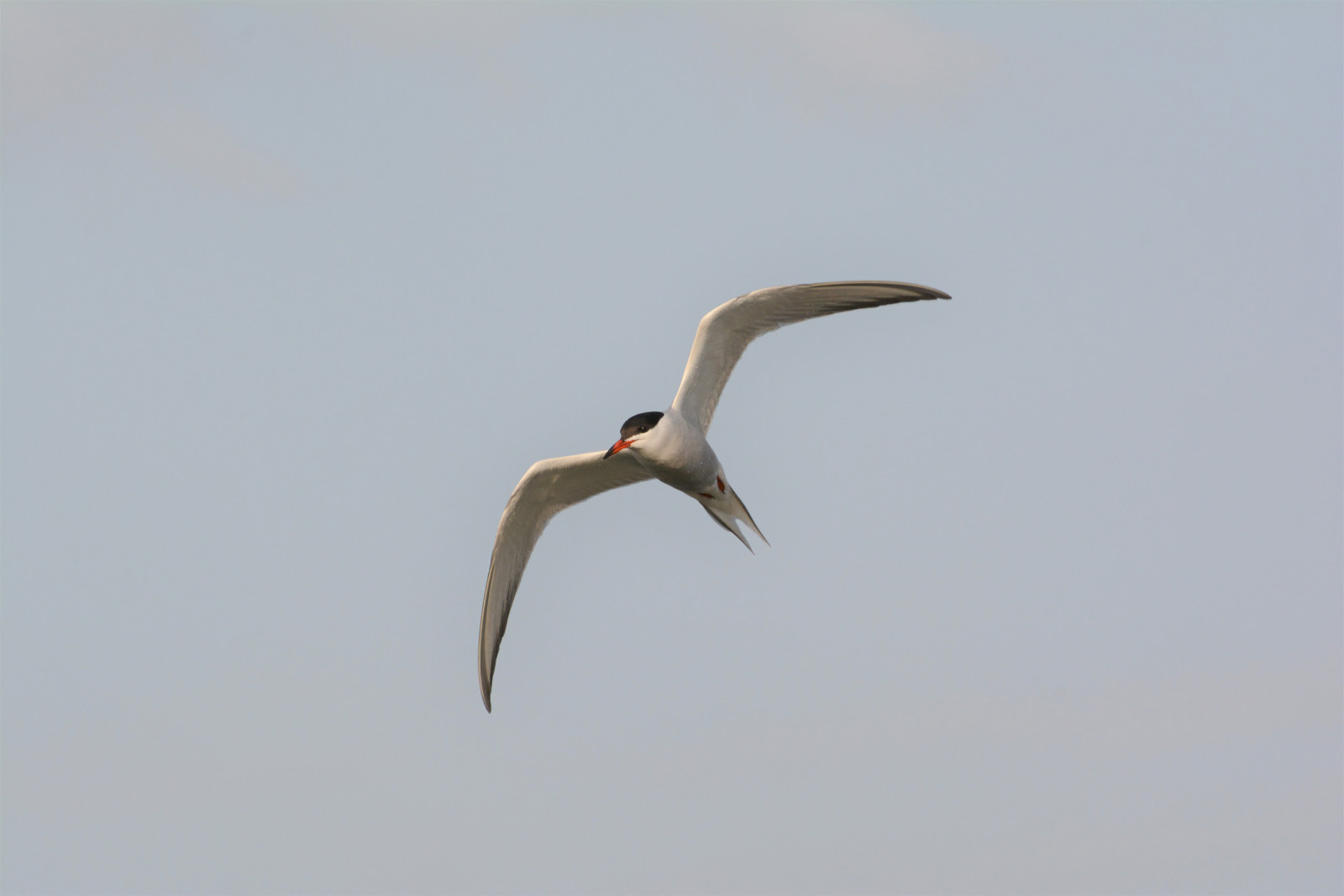
Waders are common but in small numbers during migration, while in some years, when the water's level drops, the area attracts hundreds of different waders. Tern species are common too during migration and gulls can be seen year-round. If you are lucky, during migration you can also see Trane or Fiskeørn . During winter, before the lake freezes, you can see mixed flocks of aquatic birds numbering in the thousands (most of them being Stokkand ) and if you are lucky a Havørn .
Details
Access
The lake is situated just east from the city of Siret, with 3 villages in its close proximity: Pădureni (in the west), Grămești (in the south) and Rogojești (in the east). You can either drive your way around the lake (the northern part is not recommended during winter or rainy days) or park your car along the lake wherever you can, leaving enough space for other cars to pass (there are plenty of such areas). You can start your tour after exiting the village of Pădureni to the south, immediately after getting out of the forest on the paved road. There, you can make a detour on an unpaved road that descends to the lakes western shore or you can follow the paved road for approximately a kilometer, until you see a gravel road that leads to Rogojești village and goes over the dam. You can follow the gravel road that follows the concrete shores up to the northern half of the lake. From there you have to follow the dirt road for another kilometer until you get to the northern part of the shore that is also concreted. Going up from there you will see that the lake is replaced by reedbeds exept for the northernmost part of the lake that has another smaller, open water area. If you continue going on the road you will get to a paved road that goes over the bridge and leads to the city of Siret and this is where the lake's tour ends. Of course, you can do it in the opposite direction too.
Terrain and Habitat
Forest , Wetland , Plain , River , Reedbeds , Agriculture , Scattered trees and bushes , Grassland , Valley , Lake , Mud flats , City/villageConditions
Flat , Wet , No shadow , Open landscape , DustyCircular trail
YesIs a telescope useful?
YesGood birding season
All year roundBest time to visit
Summer , Spring migration , Autumn , Autumn migration , SpringRoute
Paved road , Wide path , Unpaved roadDifficulty walking trail
EasyAccessible by
Foot , Bicycle , CarBirdwatching hide / platform
NoExtra info
Other raptors that have been seen in the area: Småskrikørn , Myrhauk , Enghauk , Fjellvåk , Ørnvåk , Aftenfalk , Lerkefalk , Vandrefalk , Dvergfalk
Other wildfowl and aquatic birds that have been seen here: Dvergsvane , Rødhalsgås , Snadderand , Stjertand , Knekkand , Hvitøyeand , Bergand , Sjøorre , Svartand , Siland , Lappfiskand , Gråstrupedykker , Svarthalsdykker , Horndykker , Dvergskarv , Natthegre , Silkehegre , Purpurhegre , Skjestork
Rails and crakes seen in the area: Vannrikse , Sumprikse , Myrrikse , Sivhøne
Waders that have been observed here: Tjeld , Stylteløper , Dverglo , Sandlo , Tundralo , Heilo , Vipe , Brushane , Rustsnipe , Polarsnipe , Sandløper , Steinvender , Myrsnipe , Tundrasnipe , Fjellmyrløper , Temmincksnipe , Dvergsnipe , Grønnstilk , Skogsnipe , Strandsnipe , Rødstilk , Sotsnipe , Gluttsnipe , Svarthalespove , Storspove , Småspove , Enkeltbekkasin , Svømmesnipe
Other gulls observed here: Gulbeinmåke , Kaspimåke , Fiskemåke , Dvergmåke , Krykkje
Terns observed in the area: Makrellterne , Dvergterne , Hvitkinnsvartterne , Svartterne , Hvitvingesvartterne


 ) to insert bird names in your own language. The birdnames will automatically be translated for other users!