Description
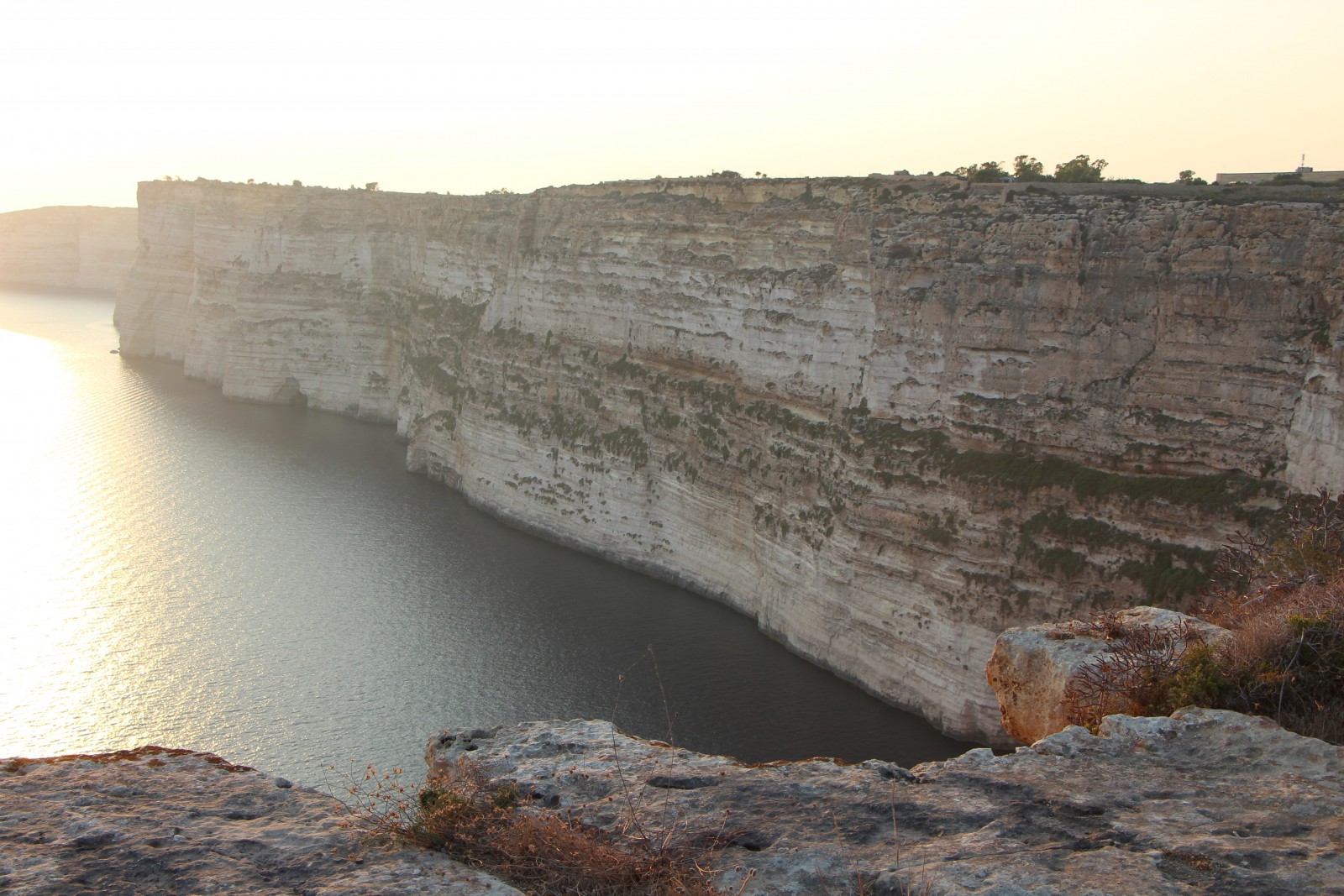
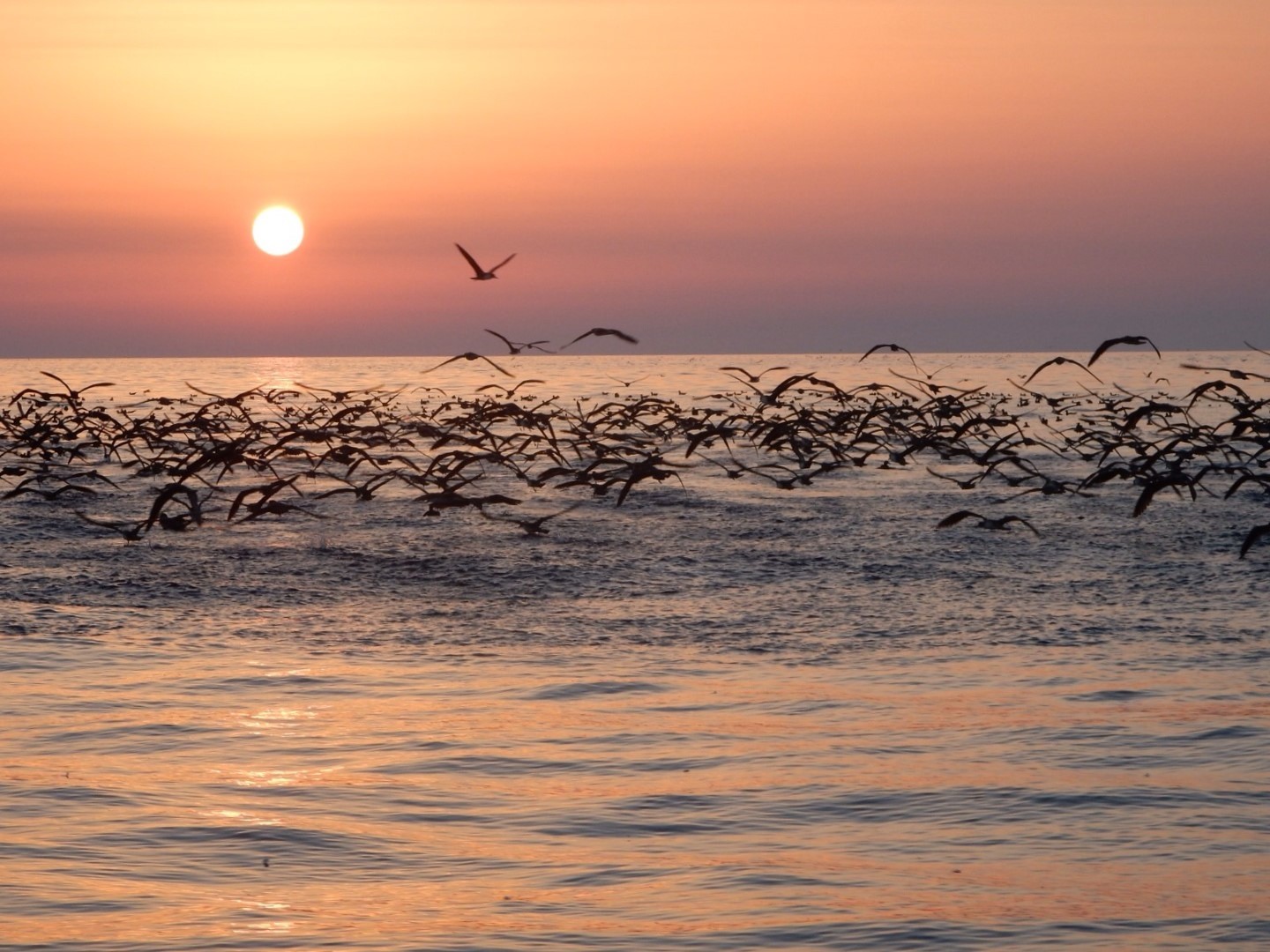
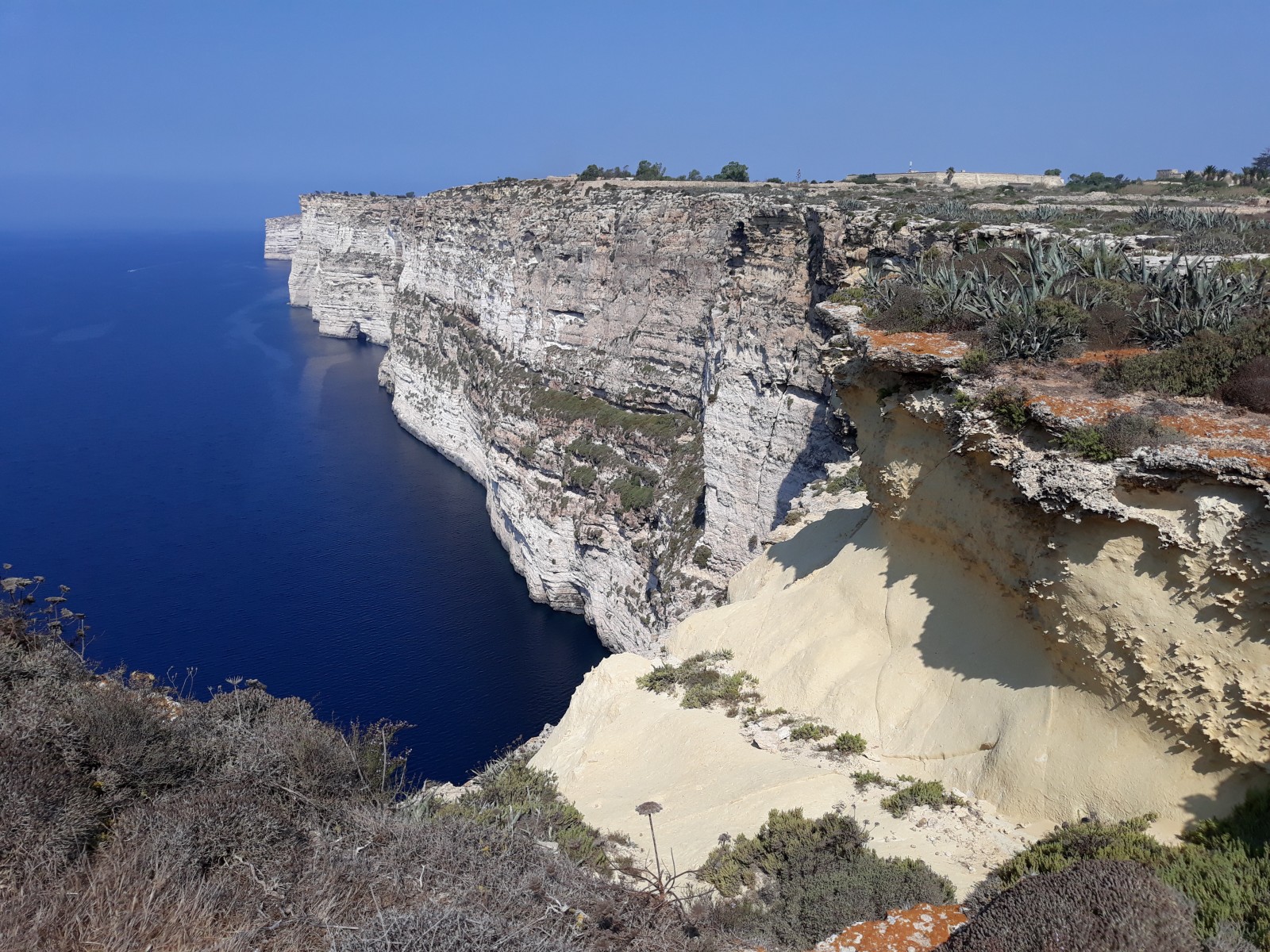
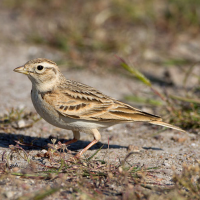
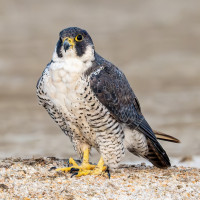
One of the best places in the Maltese Islands to see local species such as Blåtrost, Dverglerke and Maskesanger, against a backdrop of the Mediterranean Sea and jaw-dropping cliffs. Tårnfalk and Vandrefalk also nest in the area. However, the cliffs are better known for the largest Gulnebblire (diomedea) colony in the archipelago, which is at least a 1,000 pairs strong. On summer nights a cacophony of these birds' calls can be enjoyed from land or even better join one of BirdLife Malta’s special sunset boat trips to see them! The cliffs hold two other seabird species, namely Havsvale and Middelhavslire, which are much harder to see. You might be luckier with spotting nesting Gråseiler.
The open garrigue and steppe habitat that dominate the area attracts migrants such as chats, wheatears, pipits, Hoopoes and Rødhodevarsler but even species like Jordugle. Ta’ Ċenċ and the cliffs further west have a good record for rarer species too. Diademrødstjert, Ørkensteinskvett, flekkdverglerke and Varsler are to name some.
Details
Access
All the area is privately owned but you can walk along the many tracks. Park at Mġarr ix-Xini or Sannat village.
Terrain and Habitat
Scattered trees and bushes , Grassland , Valley , Steppe , Sea , AgricultureConditions
Flat , Rocky , Open landscapeCircular trail
YesIs a telescope useful?
NoGood birding season
All year roundBest time to visit
Spring migrationRoute
Paved road , Unpaved road , Wide pathDifficulty walking trail
EasyAccessible by
Foot , Bicycle , WheelchairBirdwatching hide / platform
NoExtra info
Remember not to use bright lights and not to leave any trash at coastal areas, especially cliffs which are home to shearwaters. Organic trash sustains rat populations which then feed on shearwater eggs and chicks. For more information on seabird conservation in Malta visit: https://birdlifemalta.org/arcipelagugarnija.


 ) to insert bird names in your own language. The birdnames will automatically be translated for other users!