Description
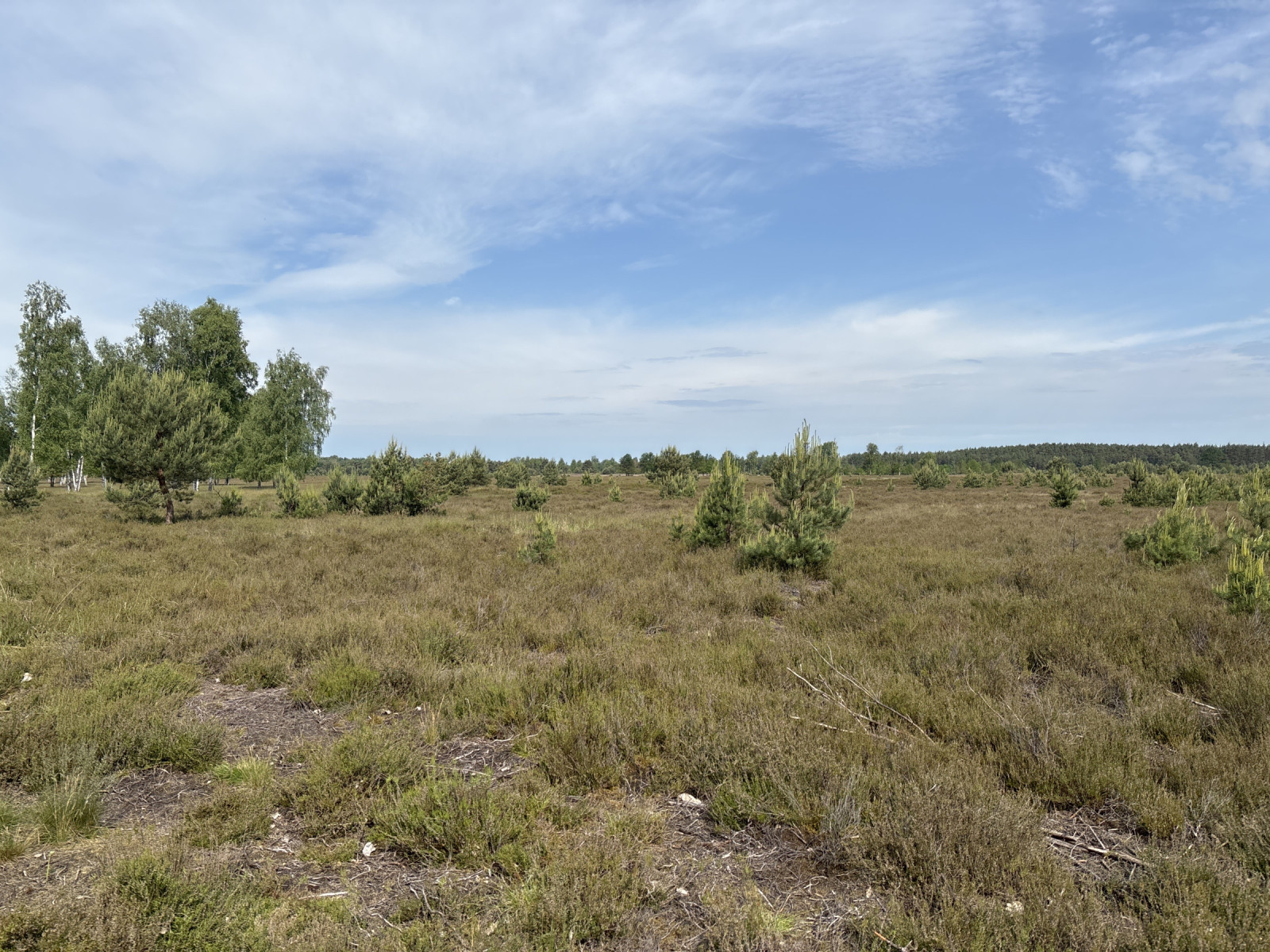
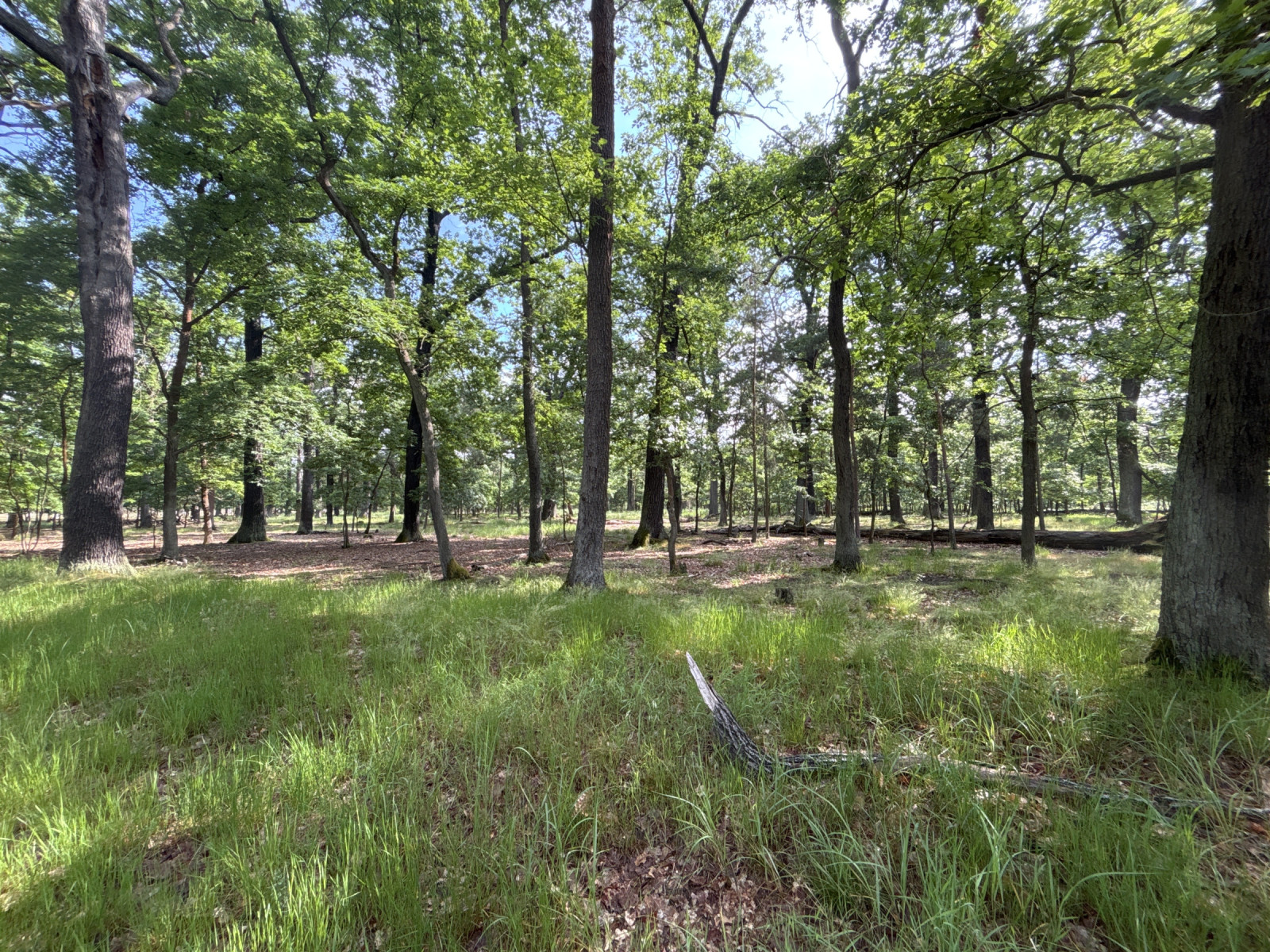
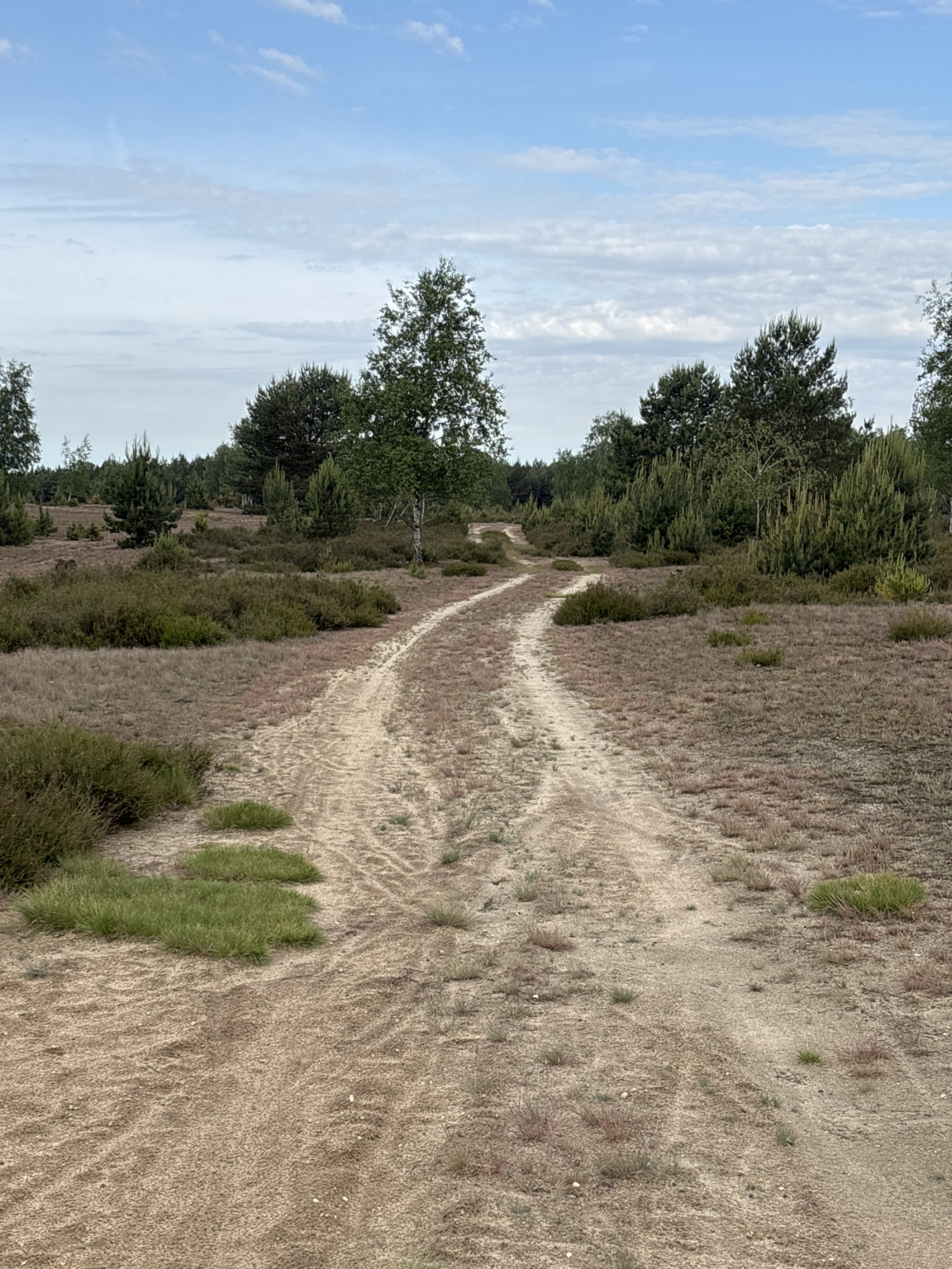
The Forsthaus Prösa area is a gently undulating, sandy-loamy terminal moraine landscape shaped by the Saale Ice Age. It impresses with one of the largest contiguous sessile oak forests in Central Europe and heathland areas. For decades, a large part of the area was a restricted military zone and was used as a military training area by the NVA, resulting in large areas of open land with silver grass and broom heath. Since 2008, the area has been owned by the German Federal Environmental Foundation and has been designated a “National Natural Heritage Site.”
The Prösa forest lodge is an excellent place for bird watching, especially during the breeding season in May and June. Notable breeding birds include Storfugl, Hærfugl, Nattravn, Rugde, and Markpiplerke. A total of seven species of woodpecker (Svartspett, Flaggspett, Mellomspett, Dvergspett, Gråspett, Grønnspett, Vendehals) inhabit the area. The melodious song of the Hærfugl and the calls of the Gjøk can be heard in many places from May onwards. Tornskate, Rødstjert, and Turteldue breed in the peripheral areas. Vepsevåk, Lerkefalk, and Ravn can also be observed. A project to reintroduce the Storfugl has been running since 2012. In August and September, a visit is recommended because of the heathlands are in full bloom.
Details
Access
The Forsthaus Prösa area is located about 50 km north of Dresden in the Elbe-Elster district. The hiking car park northwest of Hohenleipisch is a good starting point. Press P on the map for directions to the car park. From here, you can set off on a circular route (about 12 km, shown on the map below).
Walk west past orchards (Vendehals, Hærfugl, Rødstjert, Tornskate) to Grube "Gotthold" (Dvergdykker, Sothøne). Continue north to the heathland (former tactical training area). Here you can observe Trelerke, Sanglerke, Trepiplerke, Svartstrupe, Hærfugl, Rugde and Nattravn. The circular route ends by walking through the sessile oak forests (Gråspett, Turteldue) to the east and later to the south.
The northern part of the area is recommended for the Storfugl.
Terrain and Habitat
Forest , Scattered trees and bushes , Plain , Moors/heathland , PondConditions
Flat , Sandy , Dry , Open landscapeCircular trail
YesIs a telescope useful?
Can be usefulGood birding season
Spring , AutumnBest time to visit
SpringRoute
Paved road , Wide path , Unpaved road , Narrow trailDifficulty walking trail
EasyAccessible by
Foot , Bicycle , CarBirdwatching hide / platform
NoExtra info
In the northern part of the area, parts of the heathland are restricted areas due to ammunition contamination.


 ) to insert bird names in your own language. The birdnames will automatically be translated for other users!