
Description
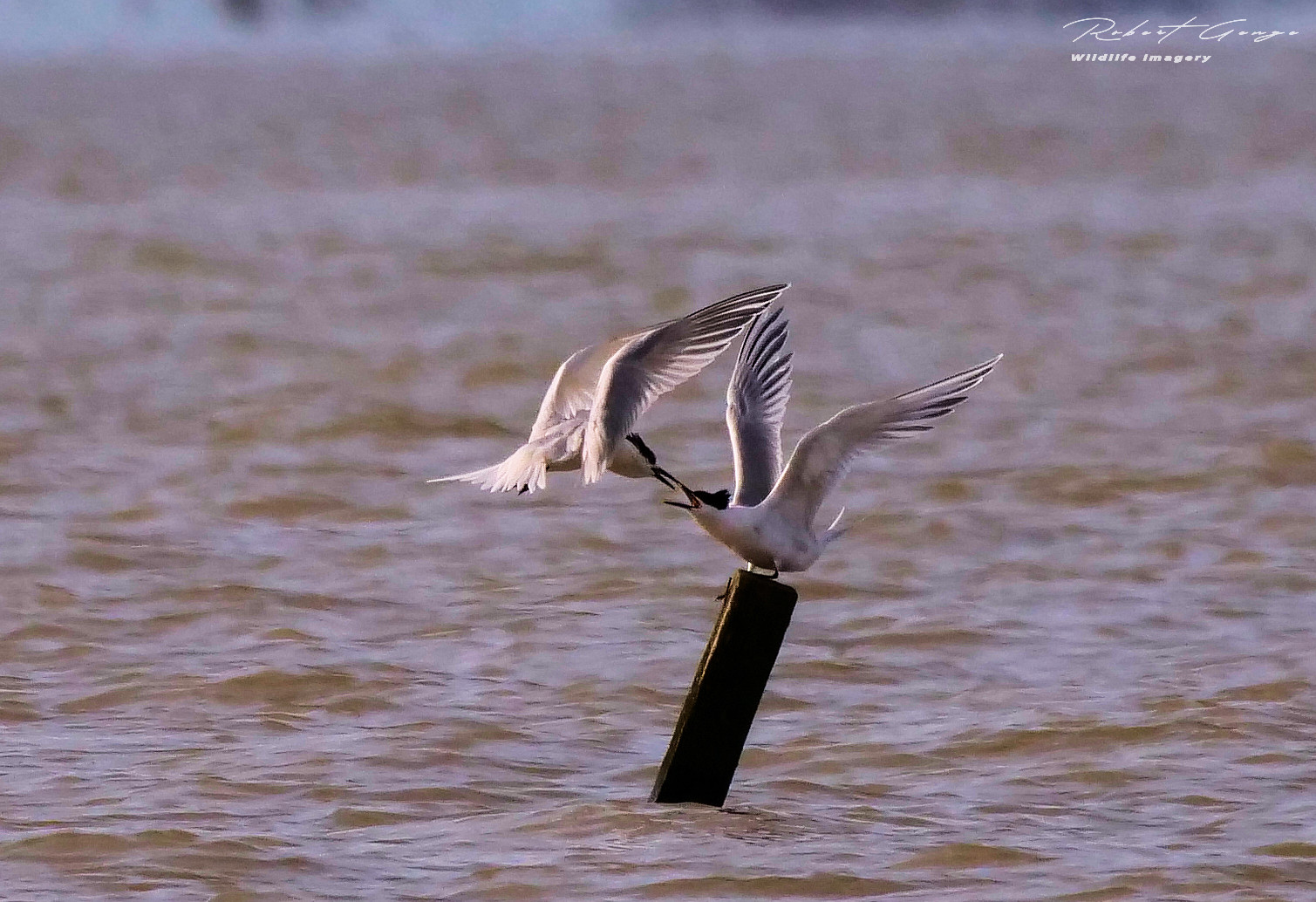
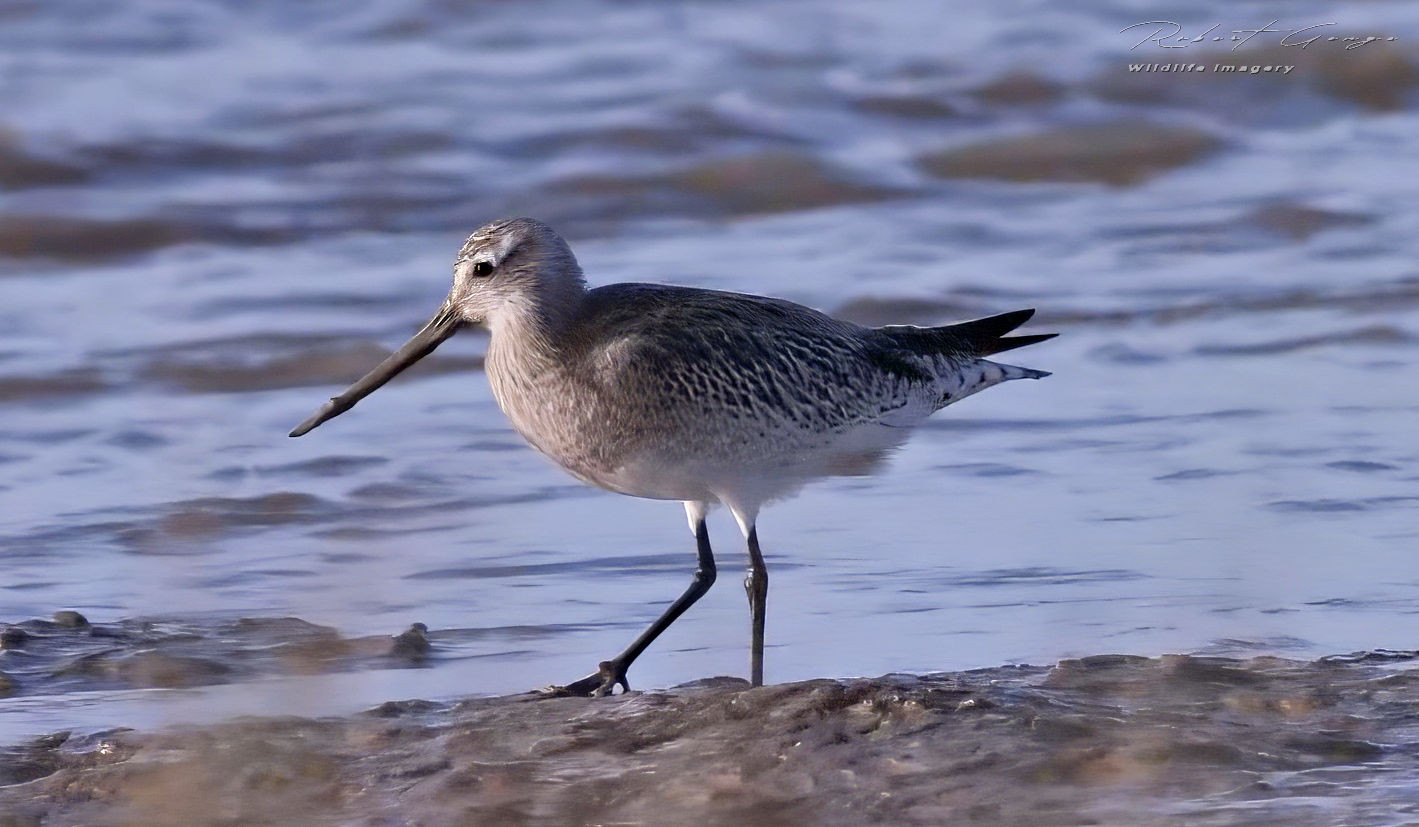
Pointe Saint-Clément is probably one of the best spots to observe bird migration in Charente-Maritime. It offers a superb view over the Aiguillon Bay, an area of major interest for migrating and wintering birds. Thus, during migration, many waders and ducks are very present on the Bay. Notably the Avosett presented by the thousands, as well as Svarthalespove, Myrsnipe, Dvergsnipe, Sandløper and Småspove. As for the ducks, several thousand Skjeand, Stjertand, Stokkand, Krikkand and Grågås can be seen during migration.
As for the winterers, there are generally more than 10,000 Gravand, and several thousand Skjeand, Snadderand, Brunnakke, Stokkand , Stjertand, Krikkand and Grågås who spend the cold season in the bay. For the shorebirds, it's usually over 30,000 Myrsnipe that remain. Others number in the thousands, notably Polarsnipe, Avosett, Tundralo, Lappspove, Svarthalespove or even the Storspove. Others will be present in smaller numbers, but still significant. You can also see Rødstilk, Sandlo, Tjeld, Heilo, Vipe and even some Enkeltbekkasin.
A few migrating passerines, straight from the tip of the Aiguillon, migrate or stop in the nearby salt meadows. The Sanglerke, Heipiplerke, Trelerke and Bokfink can pass as isolated individuals, or by groups of several hundreds or even thousands. Some breeding birds are also present, such as Blåstrupe, Cistussanger and Sivspurv in the salt meadows.
_________________________
Français: Une pointe, au coeur de la Baie de l'Aiguillon, permettant de découvrir les oiseaux de cette belle réserve naturelle. La Pointe Saint-Clément est probablement l'un des meilleurs spots pour observer la migration des oiseaux en Charente-Maritime. Elle offre une superbe vue sur la Baie de l'Aiguillon, un zone d'intérêt majeur pour les oiseaux migrateurs et hivernants. Ainsi, en période de migration, de nombreux Limicoles et Anatidés sont très présents sur la Baie. On peut notament citer l' Avosett présenté par milliers, tout comme la Svarthalespove , le Myrsnipe , o Dvergsnipe , Sandløper encore le Småspove . Du côté des canards, c'est plusieurs milliers de Skjeand , Stjertand , Stokkand , Krikkand et Grågås qui passent en migration.
Pour ce qui est des hivernants, c'est en général plus de 10 000 Gravand , et plusieurs milliers de Skjeand , Snadderand , Brunnakke , Stokkand , Stjertand , Krikkand et Grågås qui passent la saison froide dans la baie. Pour les Limicoles, c'est généralement plus de 30 000 Myrsnipe qui restent. D'autres se comptent en milliers, notament les Polarsnipe , Avosett , Tundralo , Lappspove , Svarthalespove ou encore le Storspove. D'autres seront présents en plus petits nombres, mais tout de même conséquents. On retrouve par ailleurs les Rødstilk , Sandlo , Tjeld , Heilo , Vipe et même quelques Enkeltbekkasin.
Quelques passereaux en migration, tout droit venus de la pointe de l'Aiguillon, passent en migration ou font halte dans les prés salés proches. Les Sanglerke , Heipiplerke , Trelerke et Bokfink peuvent passer par individus isolés, ou par groupes de plusieurs centaines voir milliers. Quelques nicheurs sont aussi présents, comme les Blåstrupe , les Cistussanger et les Sivspurv dans les prés salés.
Details
Access
Parking is located just before arriving on Pointe Saint-Clément. A second parking is accessible by continuing a little further on the road (see map). To observe, the two most interesting areas are the Pointe Saint-Clément while moving forward a little, about twenty meters, as well as the orientation table located above the first parking lot, which allows to have a beautiful view of the Baie de l'Aiguillon.
_________________________
Français: Un parking est prévu à cet effet. Il est situé juste avant d'arriver sur la pointe Saint-Clément. Un deuxième est accessible en continuant un peu plus loin sur la route (voir carte). Pour observer, les deux zone les plus intéressantes sont la Pointe Saint-Clément en avançant un peu, d'une vingtaine de mètres, ainsi que la table d'orientation située au dessus du premier parking, qui permet d'avoir une belle vue sur la Baie de l'Aiguillon.
Terrain and Habitat
Wetland , Mud flats , Beach , Sea , Canyon/cliffConditions
Flat , Slippery , No shadow , High water possibleCircular trail
NoIs a telescope useful?
YesGood birding season
Autumn , Winter , SpringBest time to visit
Spring migration , Autumn , Autumn migration , Spring , WinterRoute
Paved road , Narrow trailDifficulty walking trail
EasyAccessible by
Foot , Bicycle , WheelchairBirdwatching hide / platform
NoExtra info
The best time to observe the birds in the area is low tide. I particularly enjoy arriving at high tide, and then observing until low tide, which allows you to observe a good number of species. See the link below for a tide table.
_________________________
Français: Le meilleur moment pour observer est la marée basse. J'apprécie particulièrement arriver à marée haute, et puis observer jusqu'à la marée basse, ce qui permet d'observer un bon nombre d'espèces. Voir le lien ci-dessous pour un tableau des marées.


 ) to insert bird names in your own language. The birdnames will automatically be translated for other users!