

Beschrijving
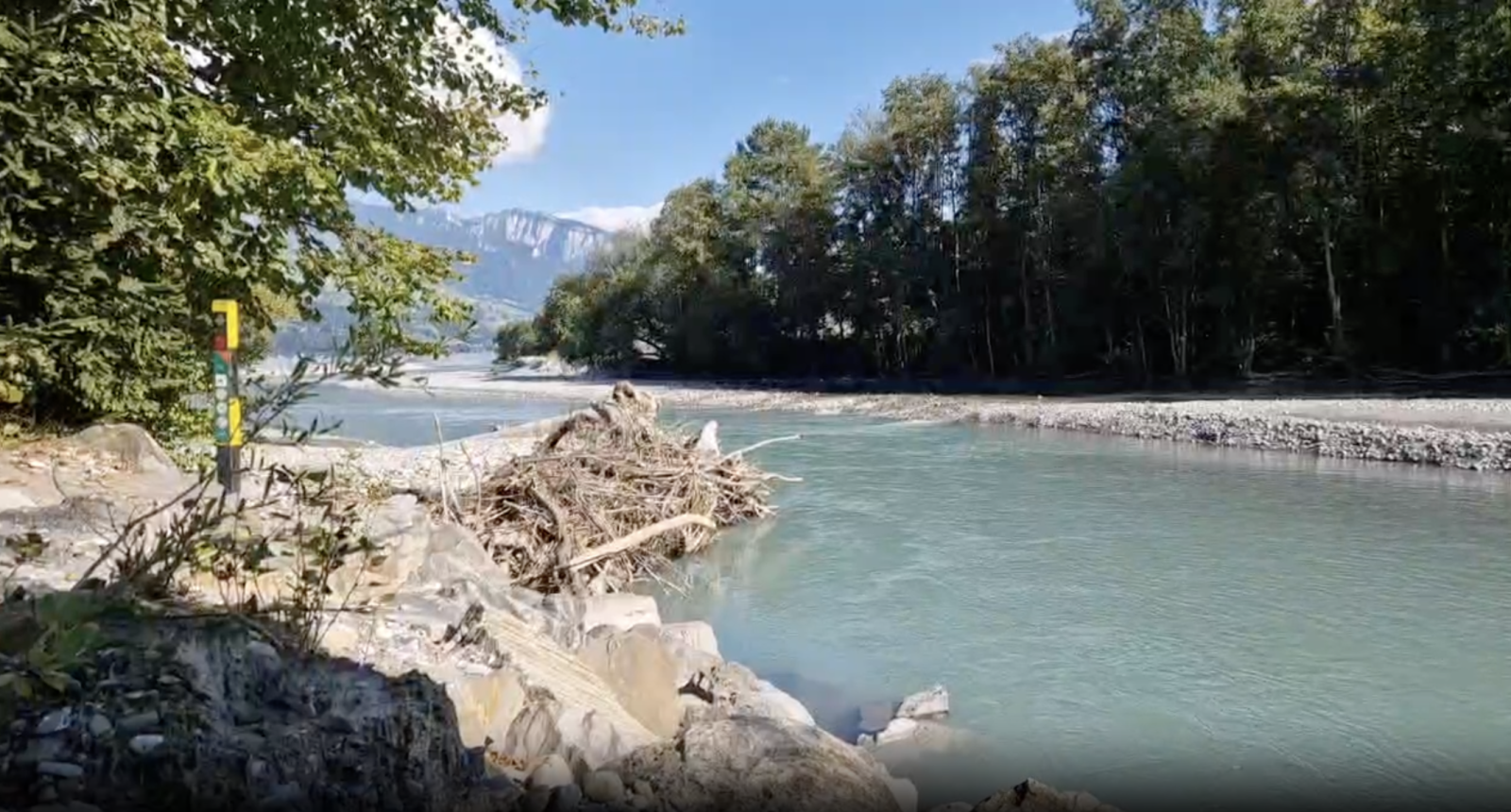
The Kanderdelta is an artificial delta created in the 18th century. Before its construction, the Kander River bypassed Lake Thun entirely. The river deposits substantial amounts of gravel into the delta and the lake, necessitating regular gravel extraction. At the same time, these gravel banks have become one of the few remaining breeding sites for the Kleine Plevier in Switzerland.
The delta features a dynamic mix of floodplain forests, still and flowing waters, gravel banks, and steep riverbanks, forming a unique and valuable natural habitat - a rarity in Switzerland. This exceptional ecosystem lies close to the city of Thun, resulting in conflicts between recreational use and conservation efforts. While the lakeshore is accessible year-round, there are even dedicated barbequing areas at the outer edge of the delta. A ranger frequently patrols the area, offering useful information to visitors.
Although the Kleine Plevier is the region's flagship species, over 200 bird species have been recorded here. The steep banks provide nesting sites for IJsvogel and Waterspreeuw. In the floodplain forests, breeding birds like Kleine Bonte Specht, Koekoek, and possibly Boomvalk, which can be observed from April to September, find their habitats. Wielewaal and Nachtegaal are relatively common, possibly you might see a Kwak or Kleine Zilverreiger. Ralreiger has also been observed.
Waders and waterbirds use the delta as a stopover during spring and autumn migrations. The Groenpootruiter is among the most frequent visitors. Other common sightings during migration seasons include Bosruiter, Witgat, Bontbekplevier, and Kleine Strandloper. Less common species like Steenloper and Temmincks Strandloper make appearances. During these times, the reeds are utilized by Buidelmees and Bruine Kiekendief.
In spring, the delta additionally hosts Tureluur and Kemphaan, as well as Regenwulp and Zwartkopmeeuw. Inland, Gekraagde Roodstaart finds refuge in the floodplain forest. Later in spring and into summer, the Fluiter appears here, and over the lake, migrating Zwarte Stern can be spotted. Exceptional sightings include its relatives, the Witvleugelstern, Witwangstern, Dwergstern, Lachstern, and Grote Stern.
In late summer, the rare Drieteenstrandloper is occasionally reported, while from September through May, Bergeend can be seen resting on the lake. Autumn brings irregular sightings of Zilverplevier, followed later by the more frequent Bonte Strandloper. From winter to spring, Slobeend and Smient rest on the lake, but rarer birds are also possible, as one sighting of IJseend proves.
The Kanderdelta is also a hotspot for rare waders. Eight confirmed sightings of Scholekster have been recorded in April and June. Other notable species include Kanoet, Kluut, Strandplevier, and Griel. Additional rarities such as Duinpieper, IJsduiker, Spotvogel, Goudplevier, Kortteenleeuwerik, Grauwe Franjepoot, Kuifduiker, Roodstuitzwaluw, Kleine Jager, Grote Jager, Vorkstaartmeeuw, and Bokje have also been observed.
Details
Toegang
The Kanderdelta is easily accessible by bus from Thun (stop: Einigen, Kanderbrück). A parking lot is also available a few hundred meters away (Press P on the map). The area can only be explored on foot via a narrow path. This trail is not marked on maps and leads along the strictly protected Kander (1), where the Kleine Plevier nests on the gravel banks, through floodplain forests, and past a still water body created by gravel extraction (Unteres Kandergrien), which is often visited by herons (2), to the delta (3).
Depending on the water level, the 30 to 40-meter-wide shoreline strip of the delta can be walked on. However, it’s obviously preferable not to disturb or approach any wading birds that might be present. On the other side of the Kandergrien, there is a meadow for lounging (4) with a good view of the lake, and a kiosk operates there during the warmer months.


 ) om vogelnamen snel in te voeren via een aanklikbare lijst.