Beschrijving
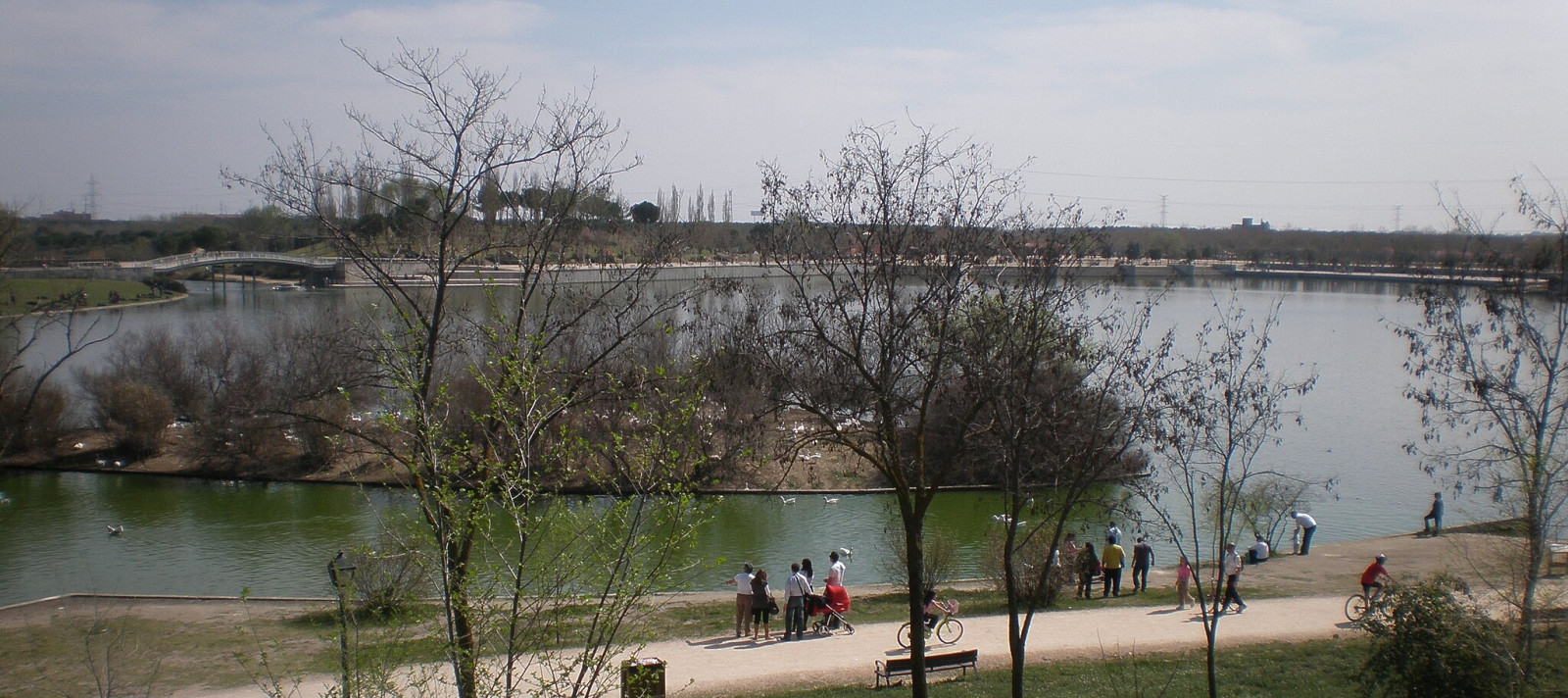
Polvoranca Park is a large natural area of over 150 hectares close to Madrid. Its landscape combines lagoons, streams, meadows, agricultural areas, and riparian woodland, creating a wide variety of habitats in a semi-urban setting. The Mari Pascuala Lagoon and the adjacent wetlands are especially important as a refuge and resting point for waterfowl and migratory birds.
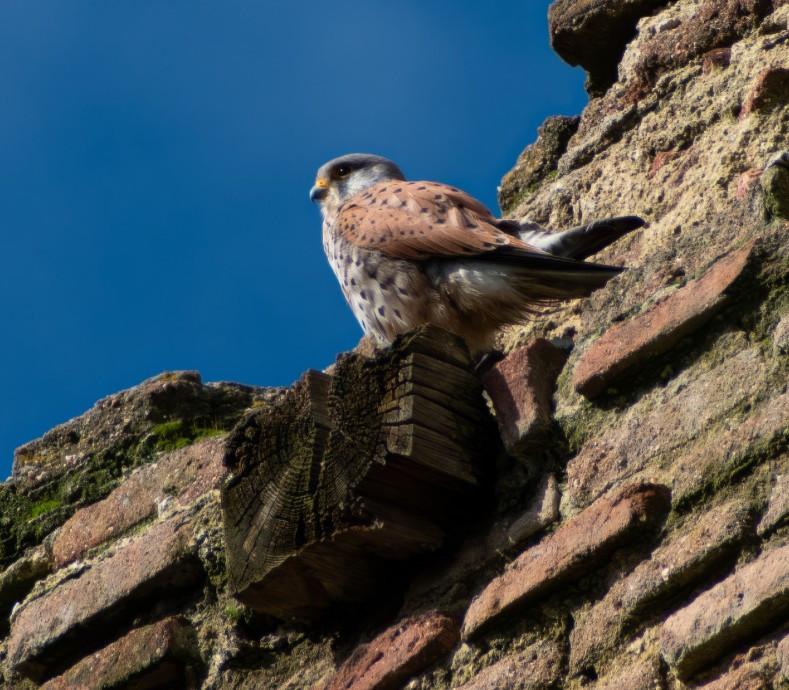
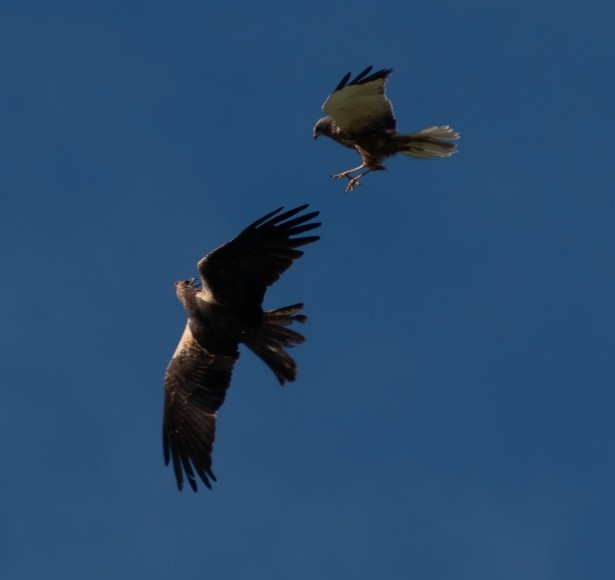
Thanks to this environmental diversity, the park is an excellent place for birdwatching year-round. In spring and autumn, migratory species are frequently seen, while in winter, ducks, herons, and cormorants are abundant. Among the most common species are Wilde Eend, Meerkoet, Dodaars, Blauwe Reiger and Kleine Zilverreiger. In the scrubland and woodland areas, you can easily spot Roodborst, Putter, Groenling, Koolmees and Hop, as well as birds of prey such as Torenvalk, Bruine Kiekendief and Buizerd. Nocturnal birds of prey such as Steenuil, Bosuil and Ransuil have also been frequently observed.
Due to its accessibility, diversity, and rich birdlife, Polvoranca is one of the most popular spots for birdwatchers in the Community of Madrid.
_________________________
Español: Entre Leganés y Alcorcón, un buen lugar para observación de aves. Sus lagunas, praderas y zonas arboladas atraen muchas especies acuáticas y migratorias. El Parque de Polvoranca es un amplio espacio natural de más de 150 hectáreas situado entre los municipios de Leganés, Alcorcón y Fuenlabrada. Su paisaje combina lagunas, arroyos, praderas, zonas agrícolas y arbolado de ribera, creando una gran variedad de hábitats en un entorno semiurbano. La Laguna de Mari Pascuala y las zonas húmedas adyacentes son especialmente importantes como refugio y punto de descanso para aves acuáticas y migratorias.
Gracias a esta diversidad ambiental, el parque es un excelente lugar para la observación de aves durante todo el año. En primavera y otoño es frecuente ver especies migratorias en paso, mientras que en invierno abundan los patos, garzas y cormoranes. Entre las especies más habituales destacan Wilde Eend, Meerkoet, Dodaars, Blauwe Reiger y Kleine Zilverreiger. En las zonas de matorral y arbolado se observan fácilmente Roodborst, Putter, Groenling, Koolmees y Hop, además de rapaces como Torenvalk, Bruine Kiekendief o Buizerd. Se han observado con frecuencia también rapaces nocturnas como Steenuil, Bosuil o Ransuil.
Por su accesibilidad, diversidad y riqueza ornitológica, Polvoranca es uno de los lugares más apreciados por los aficionados a la observación de aves en la Comunidad de Madrid.
Details
Toegang
Parque de Polvoranca is located 15 km southwest of Madrid, between the towns of Leganés, Alcorcón, and Fuenlabrada. There are several parking areas (see map) and it is also easy accessible by public transport from Madrid. You can get there by commuter train to Parque Polvoranca station (1) (Leganés Central or Alcorcón Central, line C-5), by Metro (Line 12, Alcorcón Central or Joaquín Vilumbrales stations), and by bus (450, 451, 455, and 496). The area can be explored on foot or by bicycle. The circular walking route shown on the map is about 5 km.
_________________________
Español: Hay varias zonas de aparcamiento (ver mapa) y también es accesible en transporte público. Se puede llegar en tren de cercanías (1) (Leganés central o Alcorcón central, linea C-5), en Metro (Línea 12 , Estación de Alcorcón Central o Joaquín Vilumbrales) y Autobús (450, 451, 455 y 496). El espacio puede recorrerse a pie o en bicicleta.


 ) om vogelnamen snel in te voeren via een aanklikbare lijst.