

Beschrijving
The waters around Flecha de El Rompido are rich in invertebrates, crustaceans, molluscs and fish. This attracts many birds that visit this enclave during migration. Along with the natural heritage, this area also has an important cultural heritage. Phoenicians, Romans and Muslims colonized these coasts, leaving behind archaeological remains. Among the birds you can encounter are Scholekster, Strandplevier, Dwergstern, Visdief, Grote Stern, Drieteenstrandloper, Steenloper, Aalscholver and Jan-van-gent.
_________________________
Espagnol: El Paraje Natural se extiende en la desembocadura del Río Piedras, con un paisaje unico que es un formación arenosa de unos diez kilómetros paralela a la costa. En las productivas aguas de esta marisma, ricas en invertebrados, crustáceos, moluscos y peces, se alimentan las aves acuáticas y marinas que visitan este enclave durante sus rutas migratorias. Junto al patrimonio natural, esta zona también posee un importante patrimonio cultural. Fenicios, romanos y musulmanes colonizaron estas costas, dejando a su paso restos arqueológicos.
Details
Toegang
You can park in car parks in the center of El Rompido. From there you have to take a boat that crosses the estuary towards the beach of Flecha de El Rompido.
_________________________
Espagnol: Se puede estacionar en aparcamientos del nucleo poblacional de El Rompido y despues es necesario coger un barco que cruce la ría hacia la playa en la flecha.
Terrein en leefgebied
Wetland , Strand , Zee , DuinenOmstandigheden
Vlak , ZanderigRondlopende wandeling mogelijk?
NeeTelescoop meenemen?
Kan handig zijnWanneer hier vogels kijken?
Het hele jaarToptijd voor dit gebied
Winter , Najaarstrek , VoorjaarstrekRoute
Onverharde wegZwaarte wandeling
GemiddeldToegankelijk via
BootVogelkijkhut aanwezig?
NeeExtra info
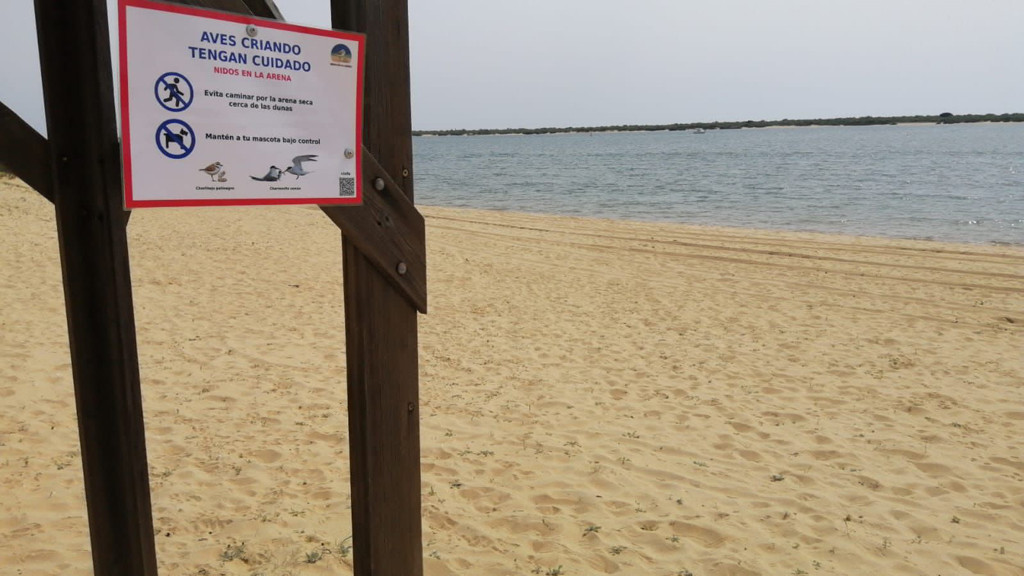
Note: Caution as it is a breeding area for Dwergstern and Strandplevier. Special Protection Area for Birds (Z.E.P.A.). Place of Community Importance (L.I.C.).
_________________________
Espagnol: Precaución por ser una zona de cria de charrancito y chorlitejo. Zona de Especial Protección de las Aves (Z.E.P.A.). Lugar de Importancia Comunitaria (L.I.C.).


 ) om vogelnamen snel in te voeren via een aanklikbare lijst.