Beschrijving
The mouth of the Rio Grande da Pipa, where it flows into the Tagus River, is a wetland rich in biodiversity. The mudflats and alluvial banks create an essential habitat for many aquatic birds.
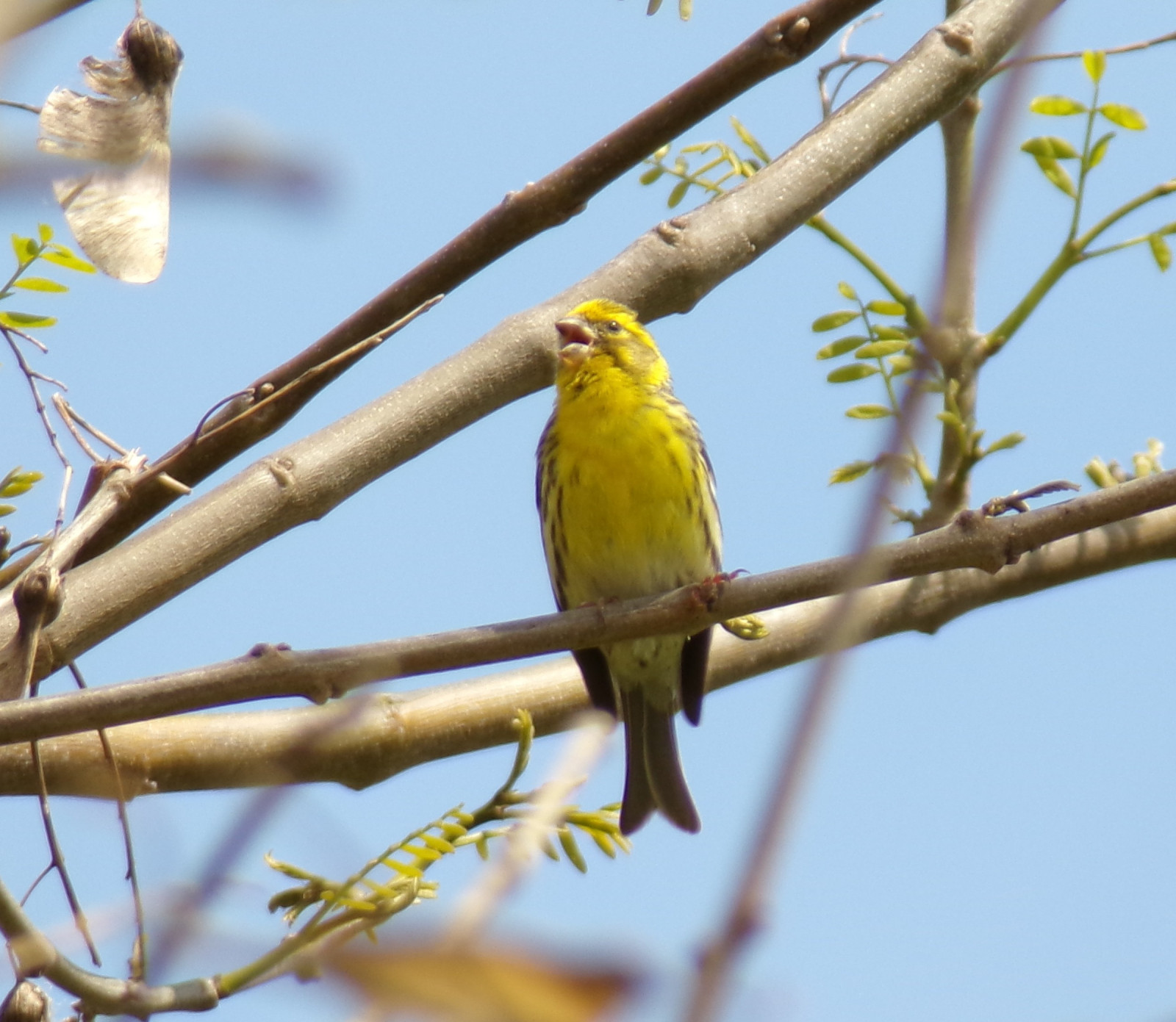
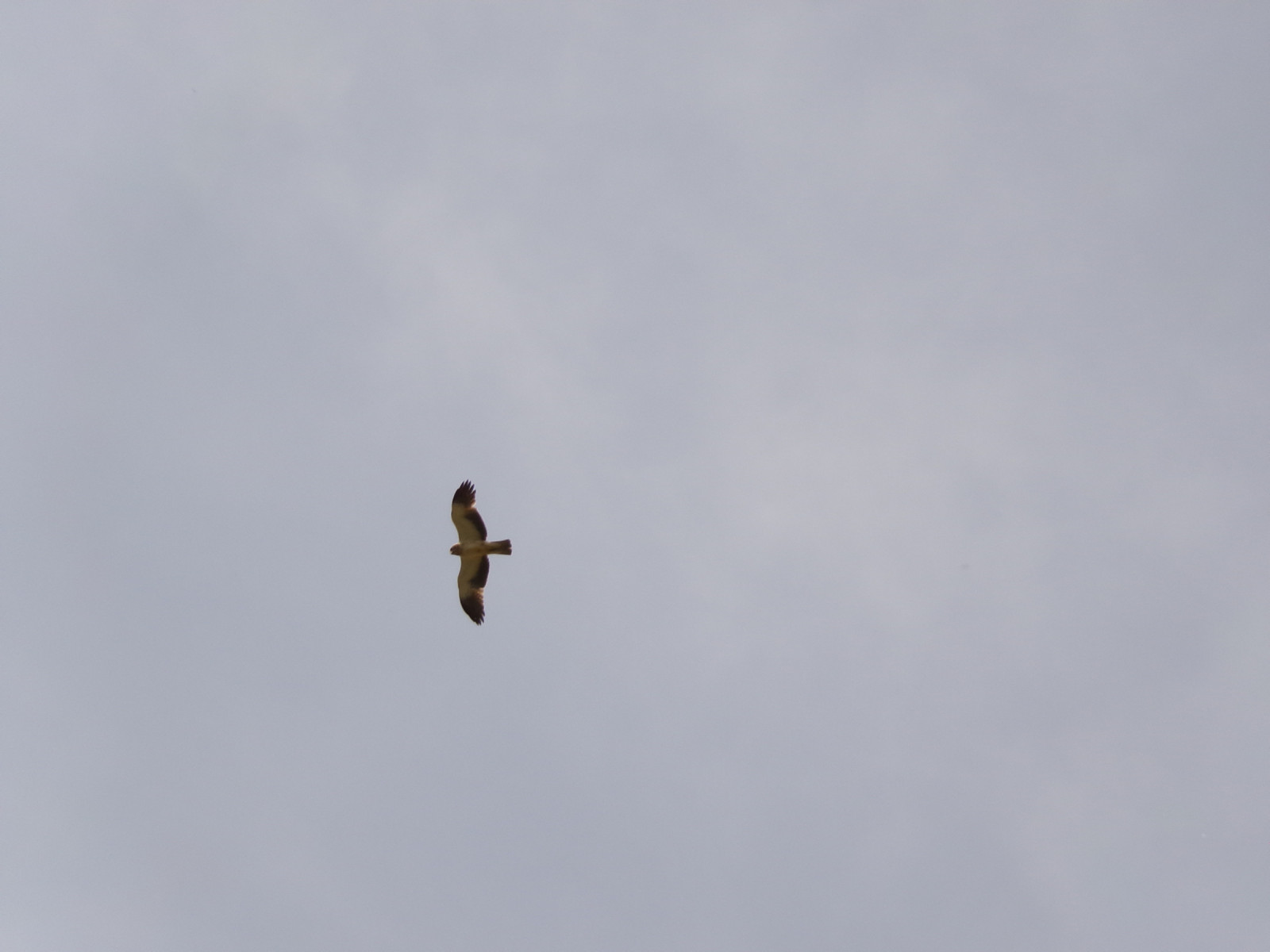
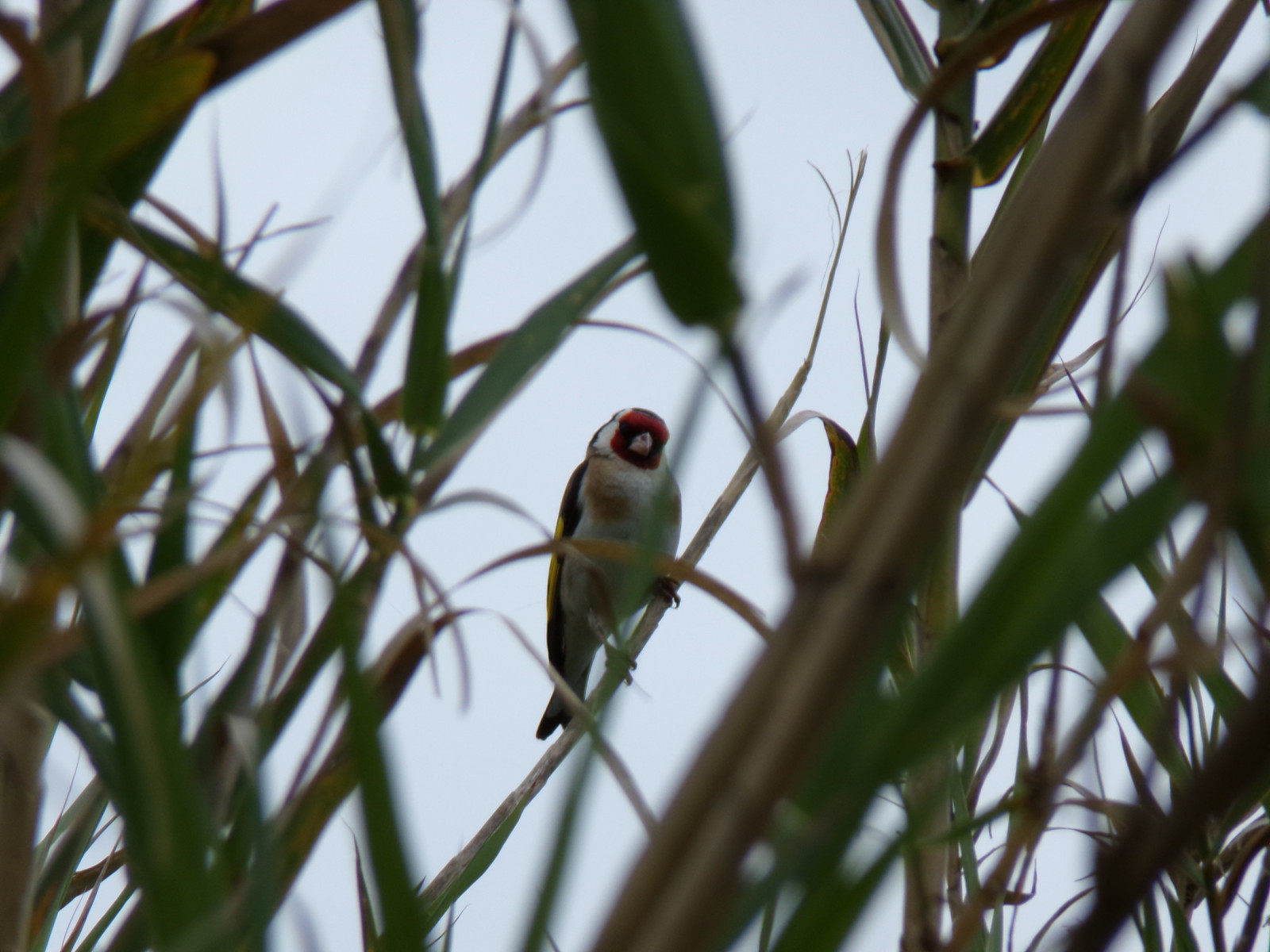
This is an excellent spot to observe Blauwe Reiger , Lepelaar , gulls, as well as various species of ducks and seabirds. It attracts both migratory and resident birds, offering a dynamic experience for birdwatching and photography.
_________________________
Português: A Foz do Rio Grande da Pipa, onde este desagua no Tejo, é uma zona húmida rica em biodiversidade. Os bancos de lodo e as margens aluviais criam um habitat essencial para muitas aves aquáticas.
Este é um excelente local para observar garças, colhereiros, gaivotas, além de várias espécies de patos e aves marinhas. Atrai tanto aves migratórias como residentes, proporcionando uma experiência dinâmica de observação e fotografia da avifauna.
Details
Toegang
The mouth of the Rio Grande da Pipa is accessible by road. From Carregado, head towards the Thermoelectric Power Plant and cross the railway bridge, which leads to the riverbanks. Parking is available.
The best way to explore the area is on foot, walking along the riverbanks for better birdwatching opportunities. It is also possible to explore the adjacent agricultural areas.
_________________________
Português: A Foz do Rio Grande da Pipa é acessível por estrada. A partir do Carregado, seguir em direção à Central Termoeléctrica e atravessar a ponte sobre o caminho-de-ferro, que leva até às margens do rio. O estacionamento é possível.
A melhor forma de explorar a área é a pé, percorrendo as margens do rio para melhor observação das aves. Também é possível explorar as zonas agrícolas adjacentes.
Terrein en leefgebied
Rivier , Veen/heide , Slikken , Wetland , Rietvelden , LandbouwOmstandigheden
Vlak , Hoog water mogelijk , NatRondlopende wandeling mogelijk?
NeeTelescoop meenemen?
Kan handig zijnWanneer hier vogels kijken?
Het hele jaarToptijd voor dit gebied
Voorjaarstrek , NajaarstrekRoute
Verharde weg , Onverharde wegZwaarte wandeling
GemakkelijkToegankelijk via
Fiets , Te voet , AutoVogelkijkhut aanwezig?
NeeExtra info
It is recommended to visit at dawn or late afternoon, when the light enhances the colors of the landscape and the birds are more active. Bringing binoculars and a bird guide can further enrich the experience. The area is occasionally frequented by visitors resting in their cars and a few engaging in sports activities.
During autumn and spring, it serves as a strategic stopover for birds following migration routes between Europe and Africa.
_________________________
Português: Recomenda-se visitar ao amanhecer ou ao final da tarde, quando a luz realça as cores da paisagem e as aves estão mais ativas. Levar binóculos e um guia de aves pode enriquecer ainda mais a experiência. Por vezes é frequentado por visitantes que permanecem no carro a descansar e um ou outro a fazer desporto.
Durante o outono e a primavera, é um ponto estratégico para aves que seguem as rotas migratórias entre a Europa e África.



 ) om vogelnamen snel in te voeren via een aanklikbare lijst.