

Beschrijving
Rahasane turlough is the largest surviving turlough (an intermittent lake) in Ireland. It is an important location for migrating birds, and wintering ground for the Kolgans. It is one of the few known breeding grounds in Ireland of the Smient. The Zomertaling can be seen on occasion. And it is a very good place to spot accidental visitors from America, such as Amerikaanse Smient, and from Europe, such as Zwarte Stern.
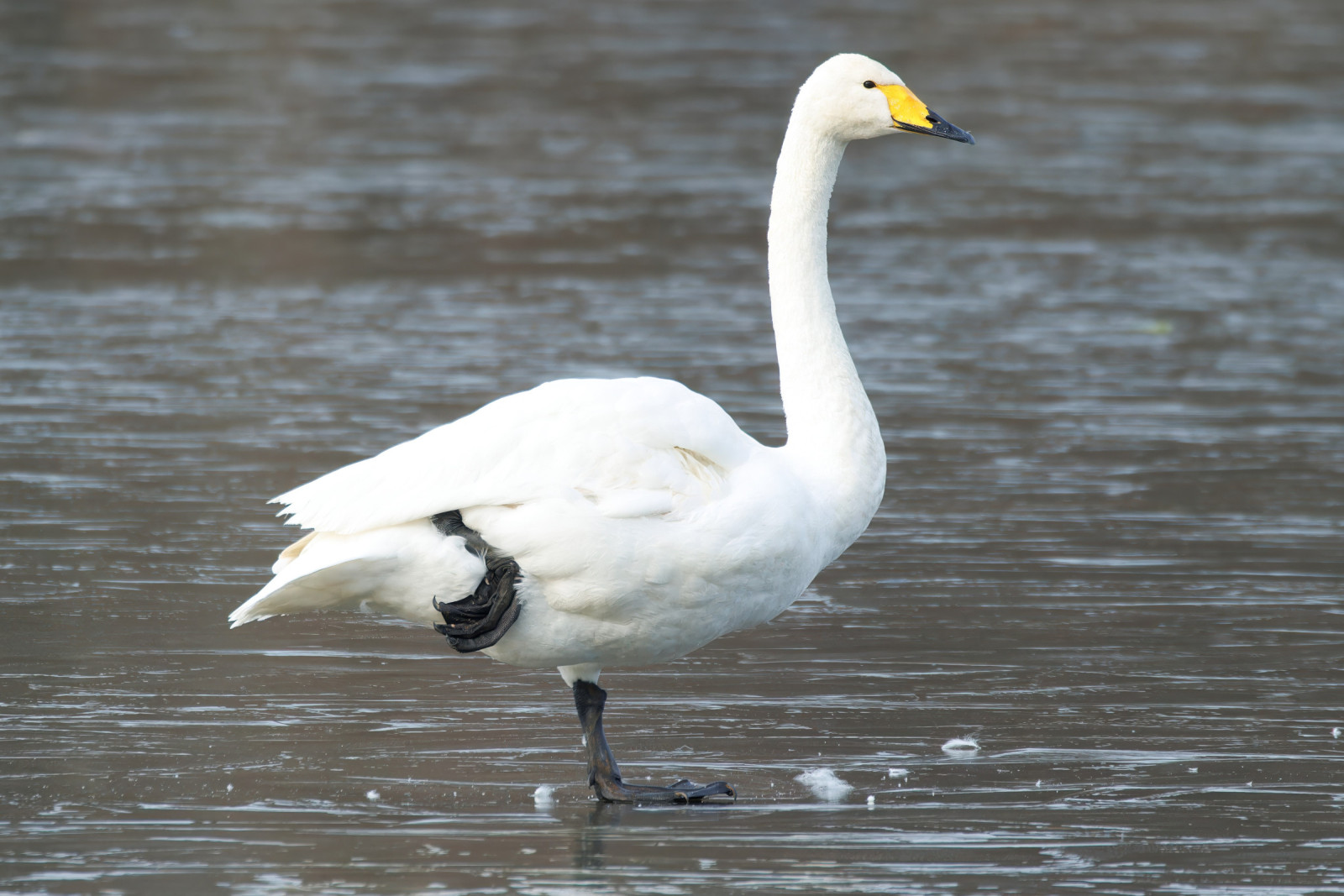
In winter you can find Greenland Kolgans (nationally important numbers) and Wilde Zwaan are regular in small numbers. There are often large numbers of Smient, whilst Wilde Eend, Wintertaling, Slobeend, Kuifeend and Tafeleend will also be present. There is a good chance of Pijlstaart and Krakeend, which are not easy to find in Galway. Winter waders include large numbers of Goudplevier and Kievit , with Wulp, Tureluur, Grutto and Bonte Strandloper as a supporting cast. In autumn there are often rarer waders if water levels are favourable. Birds like Kleine Geelpootruiter, Bosruiter, Kemphaan, Krombekstrandloper, Bokje and Morinelplevier have been seen.
Details
Toegang
This site is best reached from the main N18 Galway to Limerick road. At Kilcolgan (18 km, 11 m, south of Galway) turn left onto the minor road to Craughwell. After a few km the turlough will be seen to the right of the road. There are several viewpoints along the road and from lane ends leading from it. Please take care when parking.
Terrein en leefgebied
Wetland , Grasland/weideOmstandigheden
Open landschapRondlopende wandeling mogelijk?
NeeTelescoop meenemen?
Kan handig zijnWanneer hier vogels kijken?
Winter , HerfstToptijd voor dit gebied
WinterRoute
Verharde wegZwaarte wandeling
GemakkelijkToegankelijk via
AutoVogelkijkhut aanwezig?
NeeExtra info
A turlough is a karst lake, which has no surface outlet and is surrounded on all sides by rising land. At Rahasane the drainage has been modified in that since the nineteenth century the Dunkellin river has followed an artificial channel downstream of the turlough, but part of the flow continues to go underground, via a natural sink, into the underlying limestone. Rahasane consists of two basins which are connected at times of flood but separated as the waters decline. It covers 257 ha. The site comprises marshes, seasonally flooded wet meadows, with limestone outcrops and scrub at its margins. In the summer the lake empties and the basin is grazed by cattle, horses and sheep.



 ) om vogelnamen snel in te voeren via een aanklikbare lijst.