Beschrijving
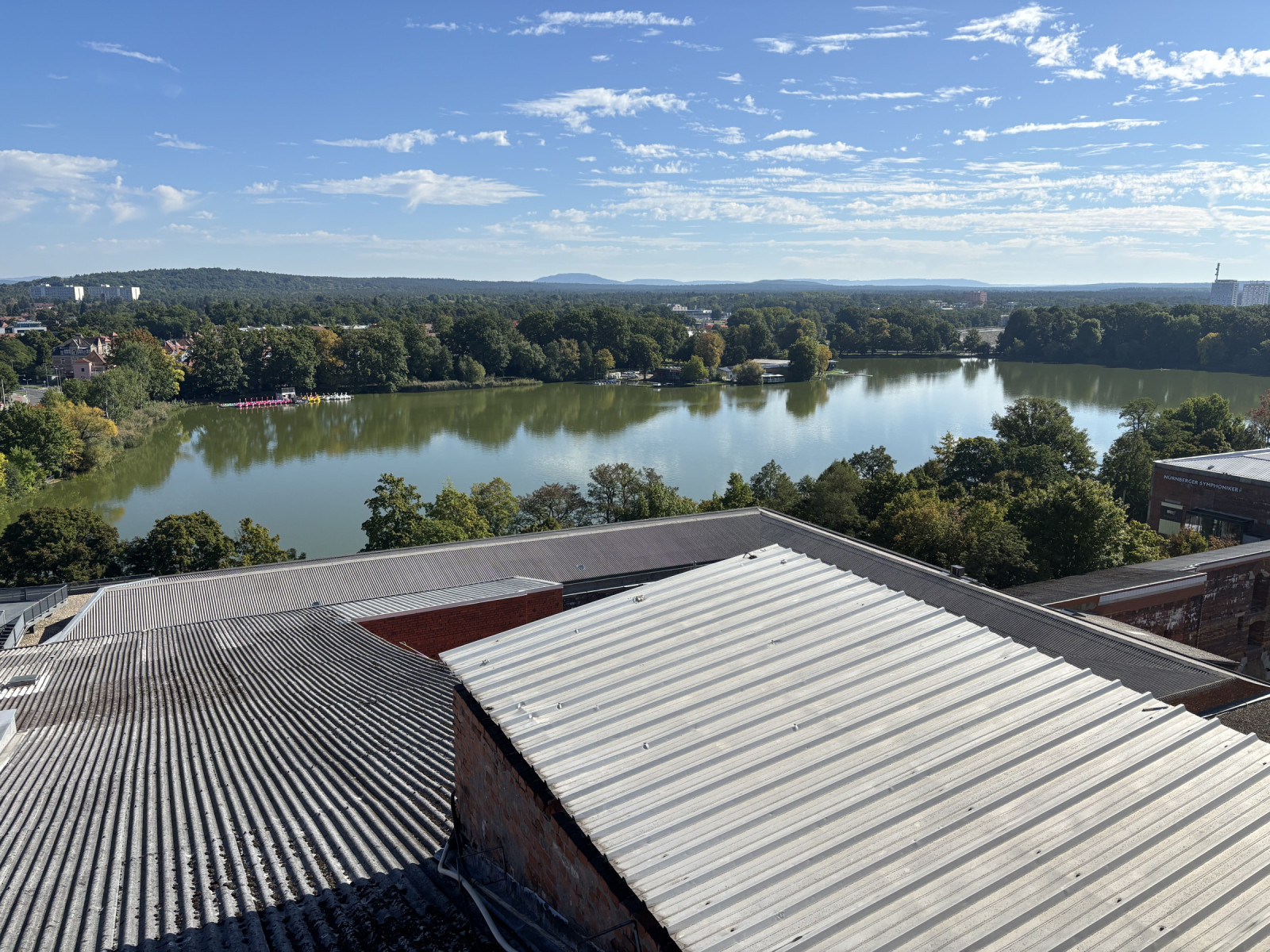
The Volkspark Dutzendteich in Nuremberg is a diverse recreational area that combines nature, leisure, and history. The extensive park landscape with several ponds, meadows, old trees, and walking paths is particularly popular with birdwatchers – and at the same time is an important place of remembrance of the Nazi era.
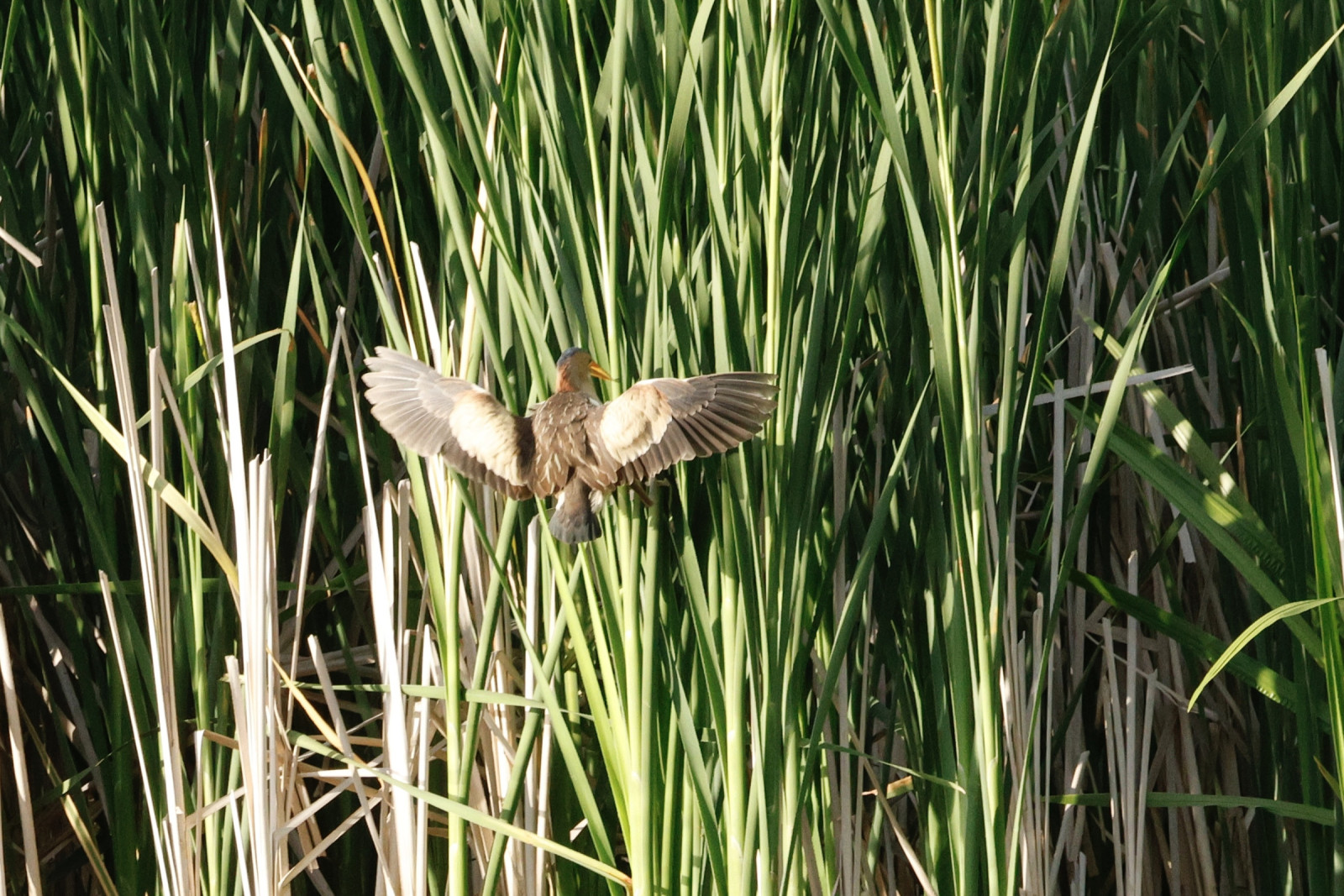
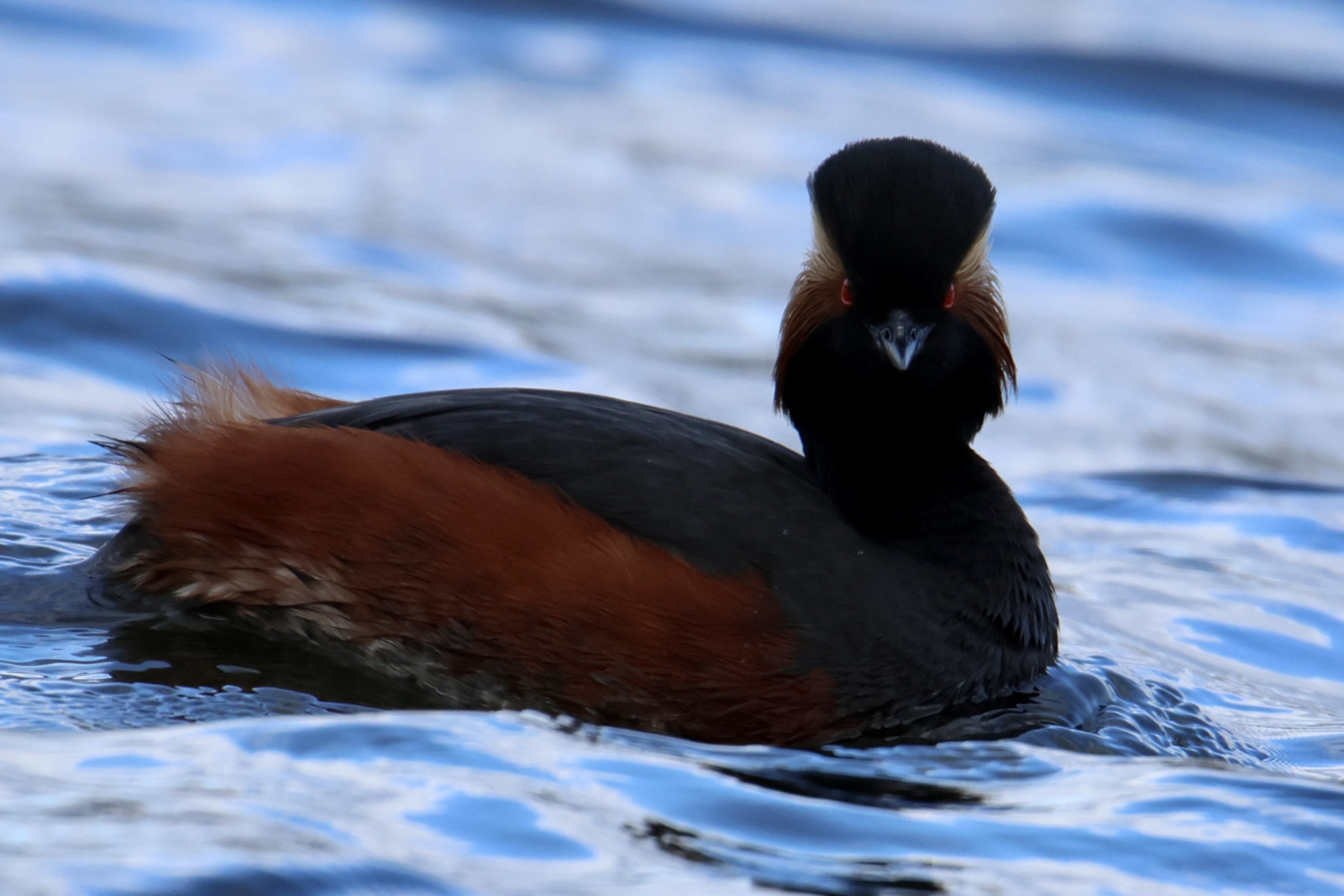
The various ponds – including the Great and Small Dutzendteich and the Silbersee – together with reed beds, islands, and riparian woodlands provide ideal habitats for many species of birds. Water birds in particular, such as Fuut, Meerkoet, Wilde Eend, Kuifeend, Grauwe Gans, and occasionally Dodaars or Grote Zaagbek, can be easily observed here. Numerous songbirds such as Tjiftjaf, Zwartkop, Roodborst, Boomklever, and various species of woodpeckers live in the surrounding trees and shrubs. In recent years, rare species such as Geoorde Fuut and Woudaap have also been observed with increasing frequency. Birds of prey such as Havik and Sperwer are also reported from time to time.
The park is also an important resting place for migratory birds in spring and fall. Thanks to the quiet shore areas and the bird island in the Großer Dutzendteich, many species can be observed undisturbed. It is also worth a visit in winter, when winter visitors from Northern and Eastern Europe often stay here.
Details
Toegang
Volkspark Dutzendteich is located in the southeast of Nuremberg. The area is easily accessible, whether by car, public transport, or bicycle. Nürnberg-Dutzendteich (S-Bahn) station (1) lies right next to the park and the Documentation Center (Dokuzentrum). It is served by the S2 line of the Nuremberg S-Bahn, which connects to Nürnberg Hauptbahnhof (the main station) in just a few minutes. You can also take the U-Bahn line U1 to “Frankenstraße” or “Langwasser Mitte,” or use tram line 9 to “Doku-Zentrum.” Several bus stops (Oskar-von-Miller-Straße, Bayernstraße, Messe) are also within walking distance.
Terrein en leefgebied
Wetland , Vlakte , Rietvelden , Vijver , Slikken , Bos , Verspreide bomen en struiken , Meer , Park , Stad/dorpOmstandigheden
Vlak , Open landschapRondlopende wandeling mogelijk?
JaTelescoop meenemen?
Kan handig zijnWanneer hier vogels kijken?
Het hele jaarToptijd voor dit gebied
Lente , Herfst , Voorjaarstrek , NajaarstrekRoute
Verharde weg , Breed pad , Onverharde wegZwaarte wandeling
GemakkelijkToegankelijk via
Te voet , Fiets , Auto , Rolstoel , BootVogelkijkhut aanwezig?
NeeExtra info
In addition to its importance as a natural area, the Volkspark Dutzendteich also has a profound historical dimension. In the 1930s, the area was redesigned by the National Socialists as part of the huge “Reichsparteitagsgelände (Reich Party Rally Grounds)". The Great Dutzendteich and its surroundings were incorporated into the staging of Nazi power.
Central structures such as the monumental, unfinished Congress Hall, the Great Road, and the grandstands at the Zeppelin Field were erected in the immediate vicinity. These interventions permanently altered the landscape and turned the area into a central location for Nazi propaganda.
Today, the Dutzendteich is an important place of remembrance. The Documentation Center Nazi Party Rally Grounds in the Congress Hall provides information about the history of National Socialism, the Nazi party rallies, and the ideological appropriation of the space. The visible remains of Nazi architecture serve as a reminder to confront the past.
The Volkspark Dutzendteich public is a place of contrasts: while watching birds by the water or walking in the greenery, you will repeatedly encounter traces of history. This special combination of experiencing nature and historical reflection makes the park a unique place in Nuremberg – a place of recreation, education, and conscious remembrance.
Links
- Bird list in eBird for Volkspark Dutzendteich
- Bird list in eBird for Volkspark Dutzendteich--Flachweiher
- Bird list in eBird for Volkspark Dutzendteich--Großer Dutzendteich


 ) om vogelnamen snel in te voeren via een aanklikbare lijst.